<!DOCTYPE html>
<html lang="en">
<head>
    <meta charset="UTF-8">
    <meta name="viewport" content="width=device-width, initial-scale=1.0">
    <title>The Global Rise of the Slam Dunk: More Than Just a Basketball Move</title>
</head>
<body>
    <article>
        <h1>The Global Rise of the Slam Dunk: More Than Just a Basketball Move</h1>

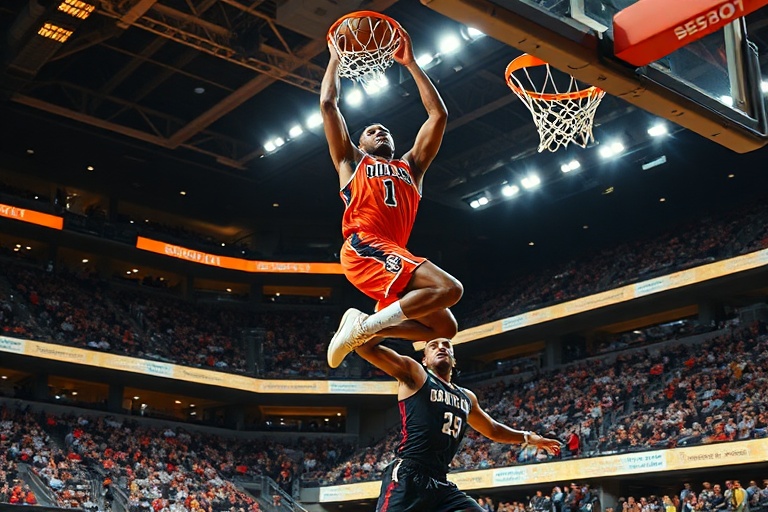
        <p>The slam dunk is one of the most recognizable and electrifying moves in sports. What began as a simple act of scoring in basketball has evolved into a cultural symbol, a measure of athleticism, and even a form of artistic expression. Its journey from a niche basketball technique to a global phenomenon reflects broader trends in sports, entertainment, and youth culture.</p>

        <h2>The Origins and Early Evolution of the Slam Dunk</h2>

        <p>The slam dunk’s roots trace back to the early days of basketball in the late 19th and early 20th centuries. Originally, dunking was discouraged in the sport because it was seen as a form of showboating. The first recorded dunk in an official game occurred in 1936, credited to Joe Fortenberry during a college basketball match. At the time, dunking was a rare and somewhat controversial maneuver, reserved for the most physically gifted players.</p>

        <p>By the 1970s, the slam dunk began to gain wider acceptance, thanks in part to the rise of the NBA and players like Julius "Dr. J" Erving. Erving’s acrobatic dunks in the American Basketball Association (ABA) captivated audiences and turned dunking into a spectacle. The NBA officially recognized the dunk contest in 1976, further cementing its place in basketball culture. This period marked the transition of the slam dunk from a functional move to an art form.</p>

        <h3>A Cultural Shift: From Sports to Pop Culture</h3>

        <p>The slam dunk’s influence extended beyond the court in the 1980s and 1990s. It became a symbol of rebellion, creativity, and individuality, particularly in hip-hop culture. Artists like LL Cool J and Public Enemy referenced dunking in their lyrics, linking it to themes of power and dominance. The move also found its way into movies, with films like Space Jam (1996) featuring Michael Jordan’s iconic dunks, embedding the skill into the public imagination.</p>

        <p>Globally, the slam dunk took on different meanings. In Europe, where basketball was growing in popularity, players like France’s Tony Parker and Spain’s Pau Gasol brought a more strategic approach to dunking, blending power with finesse. Meanwhile, in Asia, the move became a symbol of modernization in sports, reflecting the continent’s rapid adoption of Western athletic trends. The slam dunk’s adaptability allowed it to transcend cultural boundaries, becoming a universal language of athleticism.</p>

        <h2>The Slam Dunk as a Global Sporting Phenomenon</h2>

        <p>Today, the slam dunk is a staple in basketball at all levels, from amateur leagues to professional competitions. The NBA’s annual Slam Dunk Contest has become one of the most anticipated events of the All-Star weekend, drawing millions of viewers worldwide. Contestants like Vince Carter, who won in 2000 with a performance that redefined the contest, have turned the event into a global showcase of creativity and athleticism.</p>

        <p>Beyond the NBA, international competitions like the FIBA World Cup and the Olympics have highlighted the slam dunk’s global appeal. Players from diverse backgrounds, such as Canada’s Andrew Wiggins and Australia’s Ben Simmons, have brought fresh styles to the move, further enriching its cultural significance. The slam dunk has become a way for athletes to express their identity and connect with fans across the world.</p>

        <h3>The Science Behind the Slam Dunk</h3>

        <p>The slam dunk is not just about strength; it’s a blend of physics, athleticism, and technique. A successful dunk requires precise timing, vertical leap, and body control. Studies have shown that the average NBA player can jump about 28 inches, but elite dunkers like Zion Williamson can reach heights of over 45 inches. The biomechanics of a dunk involve a combination of force generation from the legs, core stability, and arm extension.</p>

        <p>Training for a slam dunk often includes plyometric exercises, weightlifting, and agility drills. Players also focus on perfecting their takeoff angle and arm positioning to maximize their reach. The science behind the dunk has led to innovations in sports science, with teams investing in technology to analyze and improve players’ vertical jumps.</p>

        <h2>The Slam Dunk in Modern Media and Fashion</h2>

        <p>The slam dunk’s influence extends into fashion and streetwear. Brands like Nike, Jordan, and Adidas have capitalized on the move’s cultural cachet, releasing sneakers and apparel that celebrate dunking. The Air Jordan line, in particular, has become synonymous with the slam dunk, thanks to Michael Jordan’s legendary performances and the iconic "Jumpman" logo.</p>

        <p>In video games, the slam dunk is a key feature in sports titles like NBA 2K and NBA Jam. These games have introduced new generations to the excitement of dunking, further embedding it into popular culture. Even in music, the slam dunk has inspired artists to create visuals and choreography around the move, as seen in music videos and live performances.</p>

        <h3>The Future of the Slam Dunk</h3>

        <p>As basketball continues to grow globally, the slam dunk will likely evolve in new directions. Advances in training technology, such as virtual reality and motion capture, are already changing how players develop their dunking skills. Meanwhile, social media platforms like Instagram and TikTok have given rise to a new generation of dunkers who showcase their skills online, often blending sports with entertainment.</p>

        <p>The slam dunk’s future may also see a greater emphasis on inclusivity. Women’s basketball, in particular, has seen a surge in dunking talent, with players like Brittney Griner and Liz Cambage pushing the boundaries of what’s possible. As the sport becomes more diverse, the slam dunk will continue to be a symbol of progress and empowerment.</p>

        <h2>Why the Slam Dunk Matters</h2>

        <p>The slam dunk is more than just a basketball move—it’s a cultural touchstone that reflects the evolution of sports, entertainment, and society. From its humble beginnings to its current status as a global phenomenon, the slam dunk has transcended its original purpose to become a symbol of creativity, athleticism, and individuality. It bridges gaps between cultures, generations, and disciplines, proving that a simple act of scoring can carry immense meaning.</p>

        <p>As basketball continues to captivate audiences worldwide, the slam dunk will remain at the heart of its appeal. Whether it’s through the NBA, international competitions, or viral social media clips, the move will continue to inspire and entertain. In the end, the slam dunk is a reminder that sports are not just about winning—they’re about expression, innovation, and the joy of play.</p>
    </article>

    <!-- Metadata Section -->