Iran’s Proxy Wars: How Conflict Shapes Culture and Global Politics
“`html
Iran’s Shadow War: A Global Perspective on Proxy Conflicts and Cultural Resilience
The conflict involving Iran stretches far beyond its borders. While headlines often focus on Tehran’s nuclear program or its tense relationship with the United States, the reality is that Iran is engaged in a complex web of proxy wars and geopolitical maneuvering across the Middle East and beyond. These conflicts, though not always direct, shape regional stability, influence global oil markets, and redefine cultural narratives in war-torn societies.
The Anatomy of Iran’s Proxy Strategy
Iran’s approach to regional influence relies heavily on proxy forces. These groups, though not officially part of Iran’s military, operate as extensions of its strategic interests. From Hezbollah in Lebanon to the Houthis in Yemen, and from militias in Iraq to support for the Assad regime in Syria, Iran has cultivated a network of allies that extend its reach without direct confrontation.
This strategy serves multiple purposes. First, it allows Iran to project power while avoiding full-scale war. Second, it provides plausible deniability in international forums. Third, it helps maintain influence in countries where direct intervention would be costly or diplomatically risky.
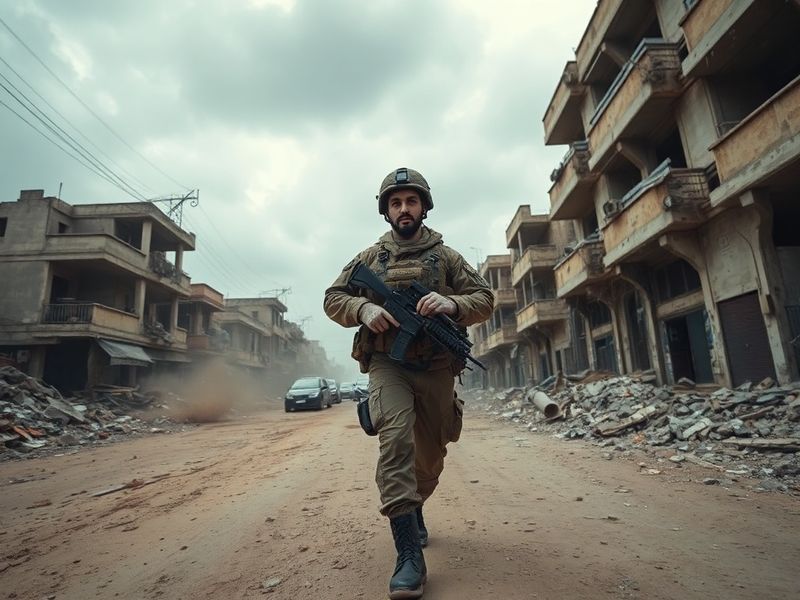
For example, in Syria, Iranian-backed forces have played a pivotal role in keeping Bashar al-Assad in power. Their involvement has drawn in regional players like Russia and Turkey, turning Syria into a battleground not just for local factions, but for global powers as well. The human cost has been staggering, with hundreds of thousands displaced and entire cities reduced to rubble.
Cultural Echoes: Art, Media, and Resistance
War reshapes culture, and Iran’s conflicts are no exception. Across the Middle East, artists, musicians, and filmmakers have responded to conflict with creativity and defiance. In Lebanon, for instance, Hezbollah’s media arm produces films and documentaries that glorify resistance while also documenting civilian suffering. These productions circulate widely, shaping public perception both locally and among diaspora communities.
In Iran itself, despite strict censorship, underground art scenes thrive. Painters, poets, and filmmakers push boundaries, using symbolism and metaphor to critique both domestic policies and foreign interventions. Social media has become a vital platform for these voices, allowing dissent to spread despite government crackdowns.
Literature has also been a battleground. Contemporary Iranian writers often explore themes of displacement, war trauma, and the erosion of national identity. Works like Reading Lolita in Tehran by Azar Nafisi have gained international acclaim, offering Western audiences a glimpse into the complexities of life under pressure.
Meanwhile, music has become a form of protest. Rappers and underground musicians use coded lyrics to criticize both their own government and foreign interference. In Iran, artists like Hichkas, known as the “Godfather of Iranian Rap,” have faced imprisonment for their outspoken lyrics, yet their influence continues to grow.
The Human Cost: Refugees and Regional Instability
The ripple effects of Iran’s proxy wars extend far beyond battlefields. Millions have been displaced, creating one of the worst refugee crises since World War II. According to the United Nations, over 13 million Syrians have fled their homes since 2011, many finding refuge in neighboring countries like Turkey, Jordan, and Lebanon—nations already strained by economic and political instability.
The humanitarian toll is immense. Families uprooted from their homes face food insecurity, lack of medical care, and limited access to education. Children, in particular, bear the brunt of these crises. Reports from UNICEF indicate that in Yemen, nearly 24 million people—including 12 million children—require humanitarian assistance as a result of the ongoing conflict, much of it fueled by Iranian-backed Houthi forces and a Saudi-led coalition backed by Western powers.
This displacement has also led to cultural erosion. Refugee camps become microcosms of lost heritage, where traditional languages, crafts, and customs struggle to survive. Yet, paradoxically, these spaces also become incubators for new forms of cultural fusion, as displaced communities blend traditions from different regions.
The Global Stakes: Oil, Diplomacy, and Alliances
Iran’s involvement in regional conflicts has global implications, particularly in the energy sector. The Strait of Hormuz, a critical chokepoint for global oil shipments, has repeatedly been a flashpoint. In 2019, attacks on oil tankers near the strait were attributed to Iranian-backed forces, sending oil prices soaring and raising fears of a broader conflict.
Diplomatically, Iran’s actions have strained relations with Gulf states, particularly Saudi Arabia and the United Arab Emirates. These tensions have fueled an arms race in the region, with both sides investing heavily in military technology and alliances with global powers like the U.S. and Russia. The result is a fragmented Middle East where proxy conflicts often overshadow efforts at regional cooperation.
Meanwhile, international sanctions have crippled Iran’s economy, pushing its government to rely even more heavily on proxy forces to maintain influence. This has created a paradox: the more isolated Iran becomes diplomatically, the more aggressive it appears militarily in its backyard.
Looking Ahead: Can Diplomacy Break the Cycle?
The path to stability in the region remains uncertain. Diplomatic efforts have repeatedly stalled, with the U.S. withdrawal from the Iran nuclear deal in 2018 complicating negotiations. Yet, there are glimmers of hope. In Iraq, for example, recent protests have targeted not just the government, but also Iranian influence, signaling a growing demand for sovereignty among the younger generation.
Civil society groups across the region are also working to bridge divides. Organizations like the Institute for War and Peace Reporting and local NGOs provide platforms for dialogue, documenting human rights abuses and advocating for peace. These efforts are small but critical in a landscape dominated by military posturing.
Culturally, there is a growing movement to reclaim shared heritage. Initiatives in Lebanon and Syria aim to preserve historical sites damaged by war, while digital archives are being created to safeguard art, music, and literature from disappearing. These projects offer a counter-narrative to the destruction, emphasizing resilience over division.
Ultimately, the story of Iran’s wars is not just one of geopolitics and military strategy. It is also a story of people—refugees rebuilding their lives, artists defying censorship, and communities striving to preserve their identity amid chaos. The outcome of these conflicts will shape the Middle East for decades, but the human spirit continues to endure, even in the darkest of times.