Why We Bury the Dead: A Global Look at Death Rituals
“`html
We Bury the Dead: Rituals That Bind Humanity Across Continents
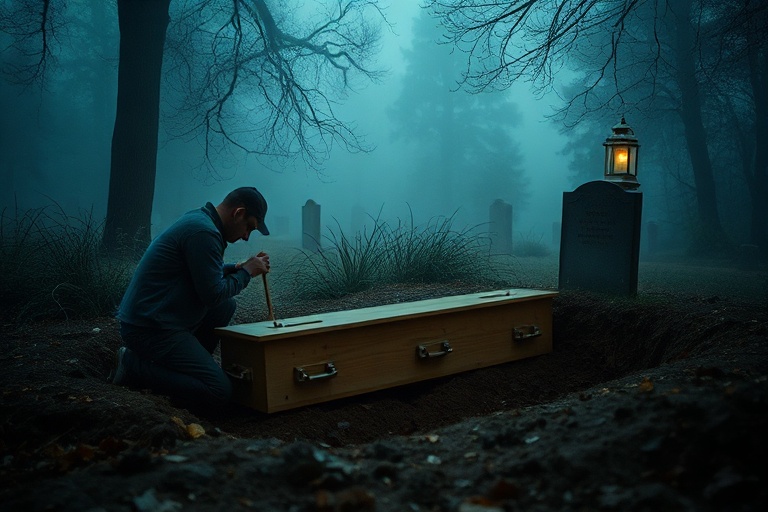
The act of burying the dead is one of humanity’s most ancient and universal practices. From the pyramids of Egypt to the sky burials of Tibet, cultures around the world have developed distinct ways to honor the departed. These rituals are not merely about disposal of bodies; they are expressions of belief, community, and continuity. The phrase “we bury the dead” carries layers of meaning—mourning, remembrance, and the acknowledgment of life’s fragility.
The practice transcends geography and time. In some societies, burial is a private affair, while in others, it becomes a grand communal event. The methods vary—interment in the earth, cremation on pyres, or even exposure to the elements—but the underlying purpose remains consistent: to give meaning to loss and to maintain a connection with those who have passed.
The Cultural Significance of Burial Rituals
Burial customs often reflect a society’s spiritual and philosophical foundations. In Western traditions, Christian burials typically involve interment in consecrated ground, with the belief in resurrection shaping the ritual. The Catholic Church, for instance, has long emphasized the importance of a proper burial as a final act of reverence.
In contrast, many Indigenous cultures view death as a transition rather than an end. The Māori people of New Zealand practice tangihanga, a multi-day funeral ceremony that includes speeches, songs, and the laying of the deceased to rest in ancestral lands. Similarly, the Day of the Dead in Mexico blends Catholic and Indigenous traditions, celebrating the lives of the departed with vibrant altars and offerings.
These rituals serve a dual purpose: they comfort the living and honor the dead. They provide a structured way to process grief while reinforcing cultural identity. When a community gathers to bury one of its own, it reaffirms shared values and collective memory.
A Global Perspective: How Different Societies Bury Their Dead
The diversity of burial practices around the world is staggering. Below is a snapshot of some of the most distinctive traditions:
- Sky Burial (Tibet, Mongolia, and parts of India): The deceased is placed on a mountaintop, where vultures consume the body. This practice, known as jhatka, aligns with the Buddhist belief in the impermanence of the physical form.
- Mummification (Ancient Egypt): Preserving the body through natron salts and linen wrappings was essential for the soul’s journey to the afterlife. The pyramids and tombs were designed as eternal resting places for pharaohs and elites.
- Tree Burial (Sumatra, Indonesia): The Minangkabau people place their dead in hollowed-out tree trunks, believing the soul ascends to the heavens through the tree’s branches.
- Water Burial (Micronesia and Polynesia): Some coastal communities send their dead out to sea on canoes or boats, allowing the ocean to claim them. This practice is tied to ancestral connections and the cyclical nature of life.
- Catacombs (Europe, particularly Italy and France): Due to limited burial space, cities like Paris built underground ossuaries to house the remains of millions, turning death into a communal art form.
Each of these methods is deeply rooted in the cultural and environmental context of its people. They reflect not only beliefs about death but also the practical realities of geography and resources. For example, sky burials are common in arid, mountainous regions where wood for cremation is scarce, while tree burials are found in lush, forested areas where timber is abundant.
The Psychological and Social Role of Burial
Beyond cultural significance, burial practices play a crucial role in mental health and social cohesion. Psychologists argue that structured mourning rituals help individuals process grief in a healthy way. When a community comes together to bury a loved one, it provides emotional support and a sense of closure.
In some cultures, the act of burying the dead is also a political statement. During periods of conflict or oppression, mass graves and memorials become symbols of resistance and remembrance. For instance, the archaeological uncovering of mass graves from Argentina’s Dirty War forced the nation to confront its traumatic past. Similarly, the controversy surrounding Confederate monuments in the United States highlights how burial sites can become battlegrounds for historical narratives.
Modern innovations are also reshaping burial traditions. Green burials, which eschew embalming chemicals and use biodegradable caskets, are gaining popularity as environmental concerns grow. In Sweden, a new concept called “mournable architecture” integrates burial sites into urban landscapes, ensuring that death remains a visible part of communal life.
The Future of Burial Rituals: Tradition Meets Innovation
As societies evolve, so too do their approaches to death. The rise of digital memorials—online platforms where loved ones can post tributes—shows how technology is altering grief practices. Yet, despite these changes, the core human need to honor the dead persists.
One emerging trend is the resurgence of natural burials, which emphasize simplicity and ecological harmony. These practices often involve shallow graves without vaults, allowing the body to decompose naturally and nourish the earth. Countries like the United Kingdom and Canada have seen a steady increase in green burial grounds, reflecting a broader shift toward sustainability.
Another innovation is the concept of “promession”, a process that freeze-dries the body and turns it into a powder, which can then be buried or scattered. Proponents argue that this method reduces environmental impact while still providing a tangible memorial. However, it remains controversial, with many traditionalists viewing it as a departure from established rituals.
Despite these advancements, the fundamental question remains: How do we ensure that the dead are not forgotten? Whether through ancient customs or modern adaptations, the act of burying the dead continues to be a testament to humanity’s enduring need for connection and meaning.
Conclusion: Why We Bury the Dead Matters
The phrase “we bury the dead” is more than a literal description—it is a declaration of our shared humanity. These rituals, whether grand or humble, serve as bridges between the living and the dead. They remind us of our mortality while affirming our capacity for love and remembrance.
In a world where technology often distances us from the physical realities of life and death, burial practices ground us in tradition and community. They challenge us to confront the inevitability of loss while offering solace in shared grief. Ultimately, how we bury the dead reveals who we are—and who we aspire to be.