Lurcher Dog: History, Temperament & Care Guide for Owners
“`html
Lurcher Dog: The Gentle Hunter’s Quiet Charm
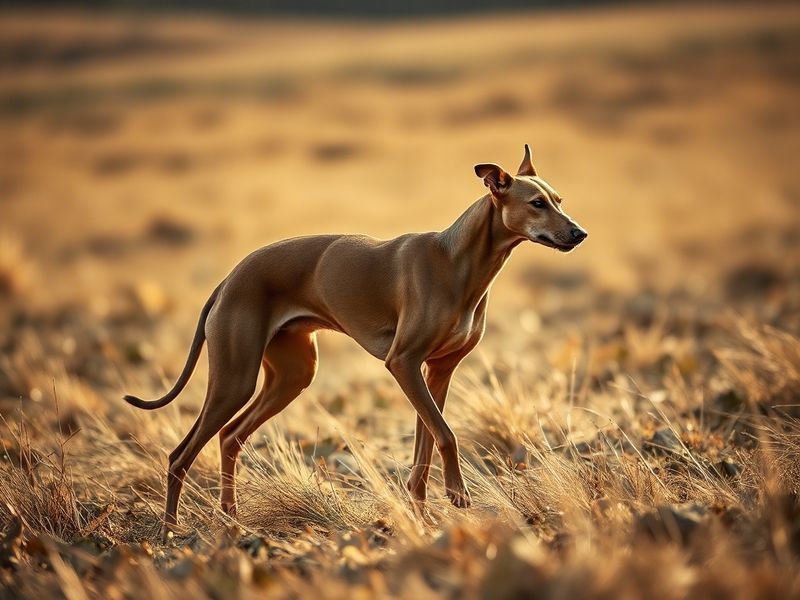
The lurcher is one of the most misunderstood yet quietly fascinating breeds in the canine world. Often overshadowed by its more famous cousins—the greyhound and the saluki—the lurcher is a dog of quiet dignity, speed, and adaptability. Bred not for show but for purpose, this crossbreed has thrived for centuries as a working dog, companion, and even a family pet. Its history is rooted in practicality, its temperament in loyalty, and its appeal in its understated elegance.
The Origins and History of the Lurcher
The lurcher’s story begins in the British Isles, where it emerged as a working dog among poachers, farmers, and travelers. Unlike purebred sighthounds, the lurcher was created through selective crossbreeding, often involving a greyhound and a collie or terrier. This combination produced a dog that retained the speed and sight-hunting instincts of the greyhound while gaining the intelligence, agility, and endurance of its terrier or herding ancestors.
By the 18th and 19th centuries, lurchers became prized among poachers in rural England and Ireland. Their ability to hunt silently and outmaneuver game made them invaluable in an era when hunting laws were strictly enforced. Poachers relied on lurchers not just for their speed but for their versatility—capable of catching rabbits, hares, and even larger game like deer in some cases. The breed’s name itself is believed to derive from the Romany word “lur,” meaning thief, a nod to its historical role in covert hunting.
Unlike pedigree breeds, lurchers were never standardized, and their appearance varies widely. Some resemble sleek greyhounds, while others have wiry coats or patchwork markings. This diversity reflects their role as a utilitarian breed, where function trumped form. Even today, lurchers are not recognized by major kennel clubs like the AKC or The Kennel Club, though they are celebrated in working dog circles and among enthusiasts who value their unique heritage.
Temperament and Personality: More Than Just a Hunter
Despite their hunting background, lurchers are far from one-dimensional. They are known for their calm demeanor indoors, often described as “velcro dogs” that prefer to stay close to their owners. This trait makes them excellent companions for those who appreciate a dog that is both affectionate and low-maintenance. Unlike high-energy breeds that demand constant activity, lurchers are content with moderate exercise followed by long periods of relaxation.
Intelligence is another hallmark of the breed. Lurchers are quick learners, eager to please, and adaptable to various living situations. They thrive in homes with secure outdoor spaces where they can run freely, but they are equally happy in apartments if given daily walks and mental stimulation. Their sensitivity means they respond best to positive reinforcement training rather than harsh methods, making them suitable for families with children or first-time dog owners.
Socialization is key for lurchers, especially if they have a strong prey drive inherited from their sighthound lineage. Early exposure to other pets, strangers, and different environments helps prevent shyness or aggression. When properly socialized, lurchers are gentle, even-tempered dogs that form strong bonds with their families. They are not typically aggressive toward humans, though their instinct to chase small animals may require careful management in multi-pet households.
Key Traits of a Lurcher
- Speed and Agility: Capable of reaching speeds up to 40 mph, making them one of the fastest dog breeds.
- Low Grooming Needs: Their short to medium coats require minimal maintenance, usually just weekly brushing.
- Moderate Energy Levels: They enjoy sprinting but are otherwise calm and adaptable to indoor living.
- Strong Prey Drive: May chase small animals, so secure fencing or leash walks are essential.
- Affectionate Nature: Often described as “couch potatoes” who love to cuddle after a day of activity.
Care and Lifestyle: What It Takes to Own a Lurcher
Owning a lurcher is not just about admiring their grace or enjoying their companionship—it’s about meeting their specific needs. While they are not as demanding as some high-energy breeds, lurchers do require thoughtful care to ensure they remain happy and healthy. One of the most critical aspects of lurcher ownership is providing ample opportunities for exercise. These dogs are built for speed, and a lack of physical activity can lead to boredom, which may manifest in destructive behaviors like chewing or digging.
Daily exercise for a lurcher should include at least one long run in a secure area, such as a fenced yard or a designated dog park. They excel in lure coursing, a sport that simulates hunting by chasing a mechanical lure, which can be a great way to channel their energy. Mental stimulation is equally important; puzzle toys, scent games, or obedience training can keep their minds sharp. Without these outlets, a lurcher may become restless or anxious.
Diet and nutrition are also areas where lurcher owners should pay close attention. These dogs are lean and muscular, so they thrive on high-quality protein sources with moderate fat content. Avoid overfeeding, as lurchers can be prone to obesity, which can strain their joints and reduce their agility. Regular veterinary check-ups are essential to monitor for common issues such as dental disease, heart conditions, or injuries from their active lifestyle.
Another consideration is their sensitivity to cold weather. Despite their athletic build, lurchers have thin coats and little body fat, making them susceptible to hypothermia in chilly conditions. A well-fitted dog coat or sweater is recommended during winter months, especially for lurchers with short coats. Conversely, they handle heat better than many breeds, thanks to their desert-adapted sighthound ancestors, though they should always have access to shade and water.
Lurchers in Modern Times: From Working Dogs to Beloved Pets
Today, lurchers have transitioned from their poaching roots to become beloved pets and competitors in canine sports. Their adaptability has made them popular among a wide range of owners, from rural farmers to urban dwellers. Rescue organizations dedicated to sighthounds and lurchers have also grown, reflecting the breed’s increasing visibility and appeal. These rescues often rehome lurchers that have been abandoned or surrendered, giving the dogs a second chance at a loving home.
In addition to their roles as pets, lurchers continue to excel in working capacities. Some are used for legal hunting in areas where it is permitted, while others participate in lure coursing competitions, which highlight their speed and agility. Their calm temperament also makes them well-suited for therapy work, where they can provide comfort to people in hospitals, nursing homes, or schools. These diverse roles underscore the lurcher’s versatility and enduring relevance.
For those considering adding a lurcher to their family, it’s important to approach the decision with an understanding of the breed’s needs and quirks. While they are not the right fit for every household, they can be incredibly rewarding companions for the right owner. Their quiet charm, loyalty, and understated elegance make them a breed worth celebrating—one that honors a rich history while adapting seamlessly to modern life.
For more information on sighthounds and similar breeds, explore Dave’s Locker’s sighthound category, where you’ll find resources on care, training, and adoption. If you’re interested in other versatile working breeds, check out our herding dog category for insights into dogs with similar adaptability.
Final Thoughts: Why the Lurcher Deserves a Spot in Your Heart
The lurcher is a breed that defies easy categorization. It is neither a purebred nor a designer dog, but a testament to the ingenuity of those who bred it for function over form. Its history is one of quiet rebellion and resourcefulness, while its personality is one of gentle loyalty and adaptability. In a world where trends in dog ownership often favor flashy or hypoallergenic breeds, the lurcher stands out as a reminder of the value of practicality, resilience, and quiet companionship.
Whether you’re drawn to the lurcher for its history, its speed, or its affectionate nature, one thing is clear: this breed offers something truly special. It is a dog that asks for little but gives so much in return—a loyal friend, a skilled hunter, and a gentle soul all rolled into one. For those willing to meet its needs, the lurcher is more than just a pet; it is a living connection to a rich tradition of working dogs and a testament to the enduring bond between humans and their canine companions.