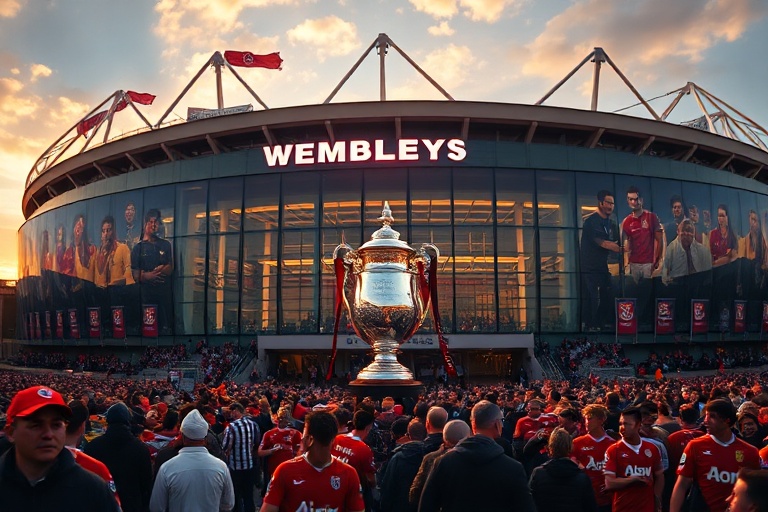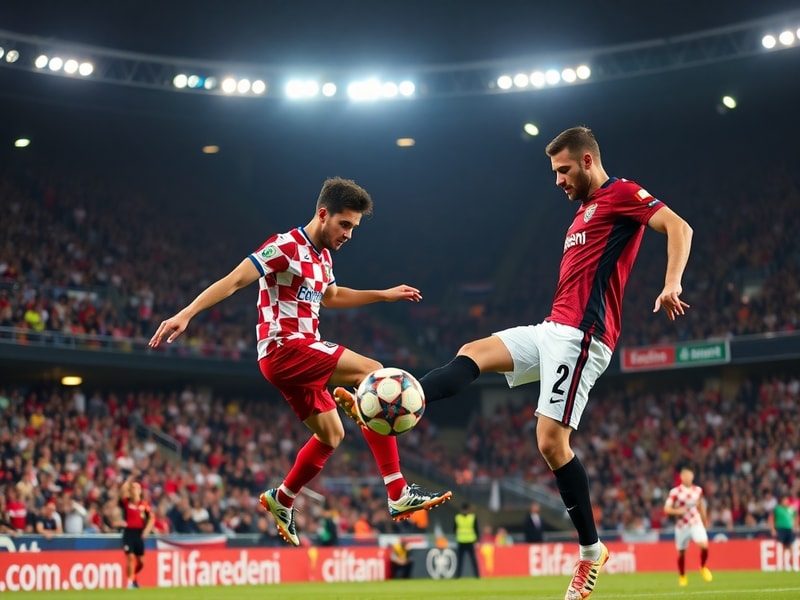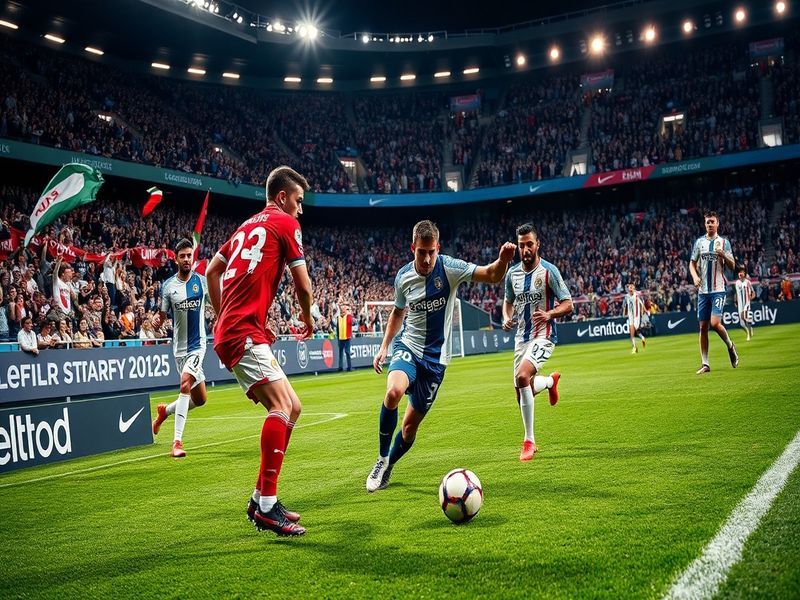
Real Madrid Club de Fútbol stands as more than just a football team—it is an institution that has shaped the sport’s history while expanding its influence far beyond the pitch. Founded in 1902, the club has grown into a symbol of excellence, innovation, and global ambition. Its legacy is built on decades of triumphs, strategic vision, and an unrelenting pursuit of greatness that transcends traditional sports narratives.
Madrid Club’s dominance in European football is unparalleled. With a record 14 UEFA Champions League titles, the club has set a standard of consistency that no other team has matched. This success isn’t merely a matter of accumulating trophies; it reflects a philosophy that prioritizes elite performance, tactical sophistication, and the ability to thrive under pressure. The club’s ability to reinvent itself while maintaining its core identity has kept it relevant across generations.
The Business of Madrid Club: More Than Just a Team
Madrid Club’s impact extends deep into the global sports economy. In 2023, the club generated over €840 million in revenue, making it one of the highest-grossing football clubs in the world. This financial power isn’t accidental—it stems from a carefully crafted business model that leverages commercial partnerships, strategic branding, and digital innovation.
The club’s commercial strategy revolves around three key pillars: global branding, digital engagement, and strategic partnerships. Madrid Club has mastered the art of monetizing its brand through lucrative sponsorship deals with global giants like Emirates, Adidas, and Audi. These partnerships aren’t merely financial transactions; they represent a shared vision of excellence and global reach.
Digital engagement has become a cornerstone of Madrid Club’s growth. With over 300 million followers across social media platforms, the club has transformed how football clubs interact with fans worldwide. Its digital content strategy blends behind-the-scenes access, player stories, and interactive campaigns to create a deeply personal connection with its audience. This approach has redefined fan engagement in the digital age, setting a benchmark for other clubs to follow.
Madrid Club’s business acumen is also evident in its approach to player transfers. The club’s ability to balance financial prudence with on-field success has allowed it to remain competitive despite the escalating costs of top talent. This disciplined approach has made Madrid Club a model for sustainable success in modern football.
Madrid Club’s Influence on Global Football Culture
Beyond its trophies and financial success, Madrid Club has played a pivotal role in shaping football culture worldwide. The club’s embrace of globalization has turned it into a cultural ambassador for the sport, with fans spanning every continent. This global reach isn’t just about expanding its fanbase; it’s about fostering a shared identity and passion for football that transcends borders.
Madrid Club’s influence on football culture can be seen in several key areas:
- Tactical Evolution: The club’s embrace of innovative tactics under managers like Zinedine Zidane and Carlo Ancelotti has influenced how football is played globally. Madrid Club’s ability to adapt while maintaining its core principles has made it a trendsetter in the sport.
- Youth Development: Despite its global ambitions, Madrid Club has maintained a strong commitment to its youth academy, La Fábrica. This dual approach of nurturing young talent while integrating top stars has become a blueprint for modern football clubs.
- Fan Engagement: Madrid Club has redefined how football clubs connect with their fans. Through initiatives like the “Real Madrid Foundation” and interactive digital campaigns, the club has created a model for fan engagement that prioritizes accessibility and authenticity.
- Cultural Diplomacy: The club’s global tours and international partnerships have turned it into a cultural ambassador for Spain and football itself. These initiatives have helped bridge cultural divides and promote the universal values of sportsmanship and excellence.
The Future of Madrid Club: Challenges and Opportunities
As Madrid Club looks to the future, it faces a landscape that is both challenging and full of opportunity. The club’s ability to adapt to the rapidly changing world of football will determine its continued relevance. Several key trends will shape Madrid Club’s trajectory in the coming years:
- Sustainability and Social Responsibility: The club is increasingly focusing on sustainability, both in its operations and its impact on society. Initiatives like the “Real Madrid Foundation’s” social programs and efforts to reduce the club’s carbon footprint reflect a growing emphasis on responsible leadership.
- Technological Innovation: Madrid Club is at the forefront of leveraging technology to enhance performance and fan engagement. From data analytics to virtual reality training, the club is exploring new frontiers to maintain its competitive edge.
- Global Expansion: The club’s ambitions extend beyond traditional markets. Initiatives in regions like Asia, Africa, and the Americas are helping to grow its fanbase and commercial opportunities, but they also present challenges in terms of cultural adaptation and local engagement.
- Competitive Pressures: The rise of financial powerhouses like Manchester City and Paris Saint-Germain has intensified the competition for top talent and trophies. Madrid Club’s ability to navigate this landscape while maintaining its unique identity will be crucial to its future success.
Madrid Club’s response to these challenges will likely involve a blend of innovation, strategic partnerships, and a steadfast commitment to its core values. The club’s ability to balance tradition with modernity will be key to its continued dominance in the ever-evolving world of football.
Conclusion: Madrid Club as a Model for the Future
Madrid Club’s journey from a local Madrid team to a global powerhouse is a testament to the power of vision, adaptability, and unwavering commitment to excellence. The club’s success is not merely measured in trophies or financial gains; it is reflected in its ability to inspire millions of fans worldwide and set new standards for what a football club can achieve.
As the club continues to evolve, it serves as a model for how sports institutions can balance tradition with innovation, ambition with responsibility, and global reach with local engagement. Madrid Club’s legacy is still being written, and its influence on football and beyond is far from over. For clubs, fans, and the broader sports industry, Madrid Club remains a benchmark of what is possible when excellence is pursued without compromise.
For those looking to understand the intersection of sports, business, and culture, Madrid Club offers a compelling case study. Its story is a reminder that true greatness is not achieved overnight but through decades of dedication, strategic thinking, and a relentless pursuit of greatness.
To explore more about the intersection of sports and culture, visit Dave’s Locker Trending or dive deeper into sports analysis at Dave’s Locker Sports.