radio personality
“`html
The Enduring Voice: How Radio Personalities Shape Global Culture
Long before streaming platforms and podcasts dominated audio entertainment, radio personalities held unparalleled influence over how people experienced sound, news, and community. From the crackling voices of AM stations in the mid-20th century to the polished hosts of today’s digital radio networks, these figures have shaped culture, politics, and identity across generations and continents.
In an era of algorithm-driven content, the role of the radio personality remains uniquely human. Unlike faceless algorithms, these voices build trust, foster connection, and often become cultural icons in their own right. Their ability to adapt—whether through talk radio, music programming, or live broadcasts—has allowed them to survive the rise of television and the digital revolution.
The Golden Age: When Radio Was the Only Stage
Radio’s golden age spanned roughly from the 1920s to the 1950s, a period when families gathered around large wooden receivers to listen to live broadcasts. This was the era of Orson Welles’ War of the Worlds panic, Bing Crosby’s smooth vocals, and Edward R. Murrow’s groundbreaking journalism. These personalities weren’t just entertainers; they were the primary source of news, drama, and music for millions.
In Europe, radio played a crucial role during World War II. The BBC’s broadcasts became symbols of resistance and unity, with figures like Richard Dimbleby delivering live reports from the front lines. Meanwhile, in Latin America, radio novelas captivated audiences with serialized dramas that blended melodrama with social commentary. These stories often aired in the evenings, creating a shared cultural experience that transcended class and geography.
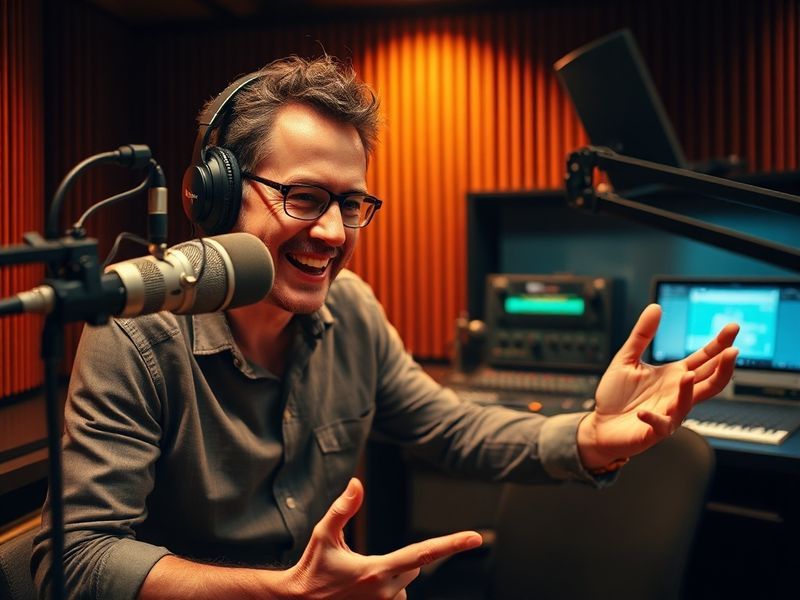
The medium’s intimacy made it powerful. A single voice speaking directly into a microphone felt personal, even confessional. This connection laid the foundation for the radio personality’s enduring appeal.
From AM to FM: The Evolution of the Radio Host
The shift from AM to FM in the 1960s and 1970s transformed radio into a more niche, music-driven medium. DJs like Wolfman Jack in the U.S. and Kenny Everett in the U.K. became countercultural icons, blending music with offbeat humor and rebellion. FM stations allowed for stereo sound and longer formats, giving hosts more room to experiment with their on-air personas.
This era also saw the rise of talk radio, particularly in the U.S., where hosts like Rush Limbaugh and Howard Stern leveraged the medium’s immediacy to build massive audiences. Stern’s unfiltered, often controversial style pushed boundaries, proving that radio could be as much about provocation as entertainment. Meanwhile, in Africa, radio became a tool for political mobilization. During apartheid in South Africa, figures like Radio Freedom’s activists used clandestine broadcasts to organize resistance and spread anti-government messages.
Today, FM remains dominant in many regions, but digital platforms like internet radio and streaming services have expanded the possibilities. Podcasts, often hosted by former radio personalities, now reach global audiences, blending the intimacy of radio with the convenience of on-demand listening.
The Global Stage: Radio Personalities Beyond Borders
While American and European radio personalities often dominate discussions, their counterparts in other regions have carved out equally influential niches. In India, radio hosts like Ameen Sayani became household names through programs like Binaca Geetmala, which ranked popular Hindi film songs. His warm, conversational style made him a beloved figure, proving that radio’s power wasn’t limited to Western markets.
In Japan, radio personalities known as radio tōshu blend music, comedy, and interactive segments to engage audiences. Shows like All Night Nippon have run for decades, adapting to changing tastes while maintaining a loyal fanbase. These personalities often collaborate with musicians, actors, and even politicians, further embedding themselves in the cultural fabric.
The Middle East has also seen radio evolve into a platform for both entertainment and activism. Stations like Radio Sawa in the Arab world aim to bridge cultural divides, while local hosts use their platforms to discuss social issues like women’s rights and youth unemployment. In war-torn regions, radio remains a lifeline. In Syria, for example, independent stations like Souriali FM have provided critical news and hope to communities under siege.
Key Traits of Successful Radio Personalities Worldwide
- Authenticity: Audiences connect with hosts who feel genuine, whether they’re discussing politics, playing music, or telling stories.
- Adaptability: The best radio personalities evolve with technology and audience tastes, moving from AM to FM to podcasts without losing their core identity.
- Community Building: Whether through call-in segments, social media engagement, or live events, they foster a sense of belonging among listeners.
- Cultural Fluency: Understanding local customs, slang, and humor helps personalities resonate with diverse audiences.
- Resilience: Radio has survived television, the internet, and streaming—its personalities have endured by embracing change.
The Future: Can Radio Personalities Survive in a Digital World?
With the rise of smart speakers, voice assistants, and AI-generated content, one might assume radio personalities are becoming obsolete. Yet, the opposite is true. The demand for human connection in an increasingly digital world has only amplified their relevance. Listeners crave authenticity, and no algorithm can replicate the spontaneity of a live broadcast.
Niche formats are thriving. In the U.S., sports talk radio continues to dominate, with hosts like Mike Francesa building careers on their encyclopedic knowledge and unfiltered opinions. Meanwhile, in Europe, community radio stations serve as platforms for immigrant voices, LGBTQ+ stories, and local music scenes that mainstream outlets ignore.
Technology has also democratized radio. Platforms like Mixcloud and TuneIn allow anyone with a microphone and an internet connection to broadcast globally. This has led to the rise of micro-personalities—individuals with small but fiercely loyal audiences who cater to hyper-specific interests, from obscure music genres to local history.
The challenge for radio personalities now is standing out in a crowded field. Those who succeed will likely combine traditional skills—storytelling, improvisation, and audience engagement—with digital savvy. Social media presence, video clips, and interactive apps are becoming essential tools for modern hosts.
Yet, the core of radio remains unchanged. It’s about the voice in the dark, the companion in the car, the friend who understands your world. As long as humans seek connection, radio personalities will have a stage.
Conclusion: The Voice That Never Fades
From the crackling transmitters of the 1920s to the digital streams of today, radio personalities have been more than just voices on the airwaves. They’ve been storytellers, confidants, activists, and entertainers, shaping the way societies hear themselves and the world.
In an age of fragmentation, where algorithms dictate what we consume, the human touch of radio offers something rare: unpredictability, warmth, and a sense of shared experience. Whether it’s the morning DJ who starts your day with a smile or the late-night host who makes you feel less alone, these personalities remind us that stories—and the voices that tell them—are timeless.
As technology advances, the medium may change, but the need for connection will endure. And that’s a broadcast worth tuning in to.
—
METADATA—
{
“title”: “How Radio Personalities Shape Culture and Stay Relevant Today”,
“metaDescription”: “Explore how radio hosts have influenced global culture from the 1920s to today’s digital age.”,
“categories”: [“Entertainment”, “Culture”],
“tags”: [“radio history”, “radio hosts”, “broadcasting culture”, “digital radio”, “global media”],
“imageDescription”: “A vintage radio receiver glowing warmly in a dimly lit room, with sound waves emanating from its speaker, symbolizing the enduring power of radio voices. The setting includes a retro microphone and scattered vinyl records, evoking nostalgia and timeless connection.”
}
—END METADATA—
“`