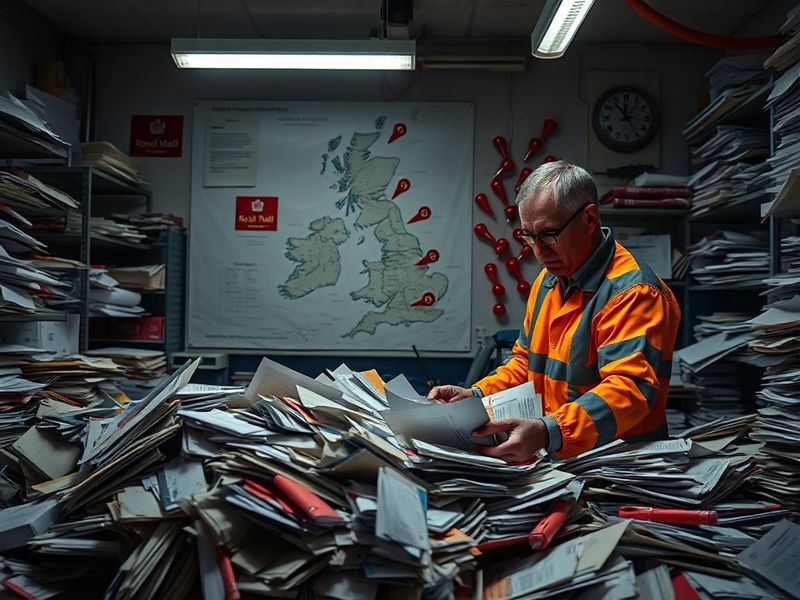
Royal Mail customers in 34 postcodes across the UK are facing significant delays as ongoing industrial action disrupts normal service. The latest round of strikes, driven by disputes over pay, working conditions, and job security, has left thousands of households and businesses waiting longer than usual for letters and parcels. While Royal Mail has historically been a reliable service, this disruption underscores broader challenges facing the postal industry in an era of declining mail volumes and rising operational costs.
The affected postcodes span multiple regions, including parts of London, the North West, and the Midlands. Royal Mail has acknowledged the delays but has not provided a clear timeline for when services will return to normal. For customers in these areas, the disruption comes at a particularly inconvenient time, coinciding with the holiday season and a surge in online shopping deliveries.
What’s Causing the Royal Mail Disruption?
The current wave of industrial action follows years of tension between Royal Mail management and the Communication Workers Union (CWU). Key issues include:
- Pay disputes: Workers are pushing for better compensation amid the cost-of-living crisis, while management argues that financial constraints prevent significant pay rises.
- Job security: Automation and restructuring efforts have raised concerns about redundancies among postal workers.
- Working conditions: Staff report increased workloads and pressure to meet delivery targets, leading to burnout and dissatisfaction.
- Pension concerns: Changes to pension schemes have also fueled discontent among employees.
These factors have culminated in multiple strikes over the past year, each exacerbating delays. The latest action, which began last week, is expected to last at least seven days, though further disruptions could follow if negotiations stall.
How the Disruption Impacts Customers and Businesses
The ripple effects of the Royal Mail disruption extend beyond delayed letters. For businesses, especially small enterprises reliant on timely deliveries, the impact can be severe. E-commerce sellers, for example, may face frustrated customers and potential loss of sales if orders are not fulfilled on time. Even large retailers with their own logistics networks could experience indirect delays if suppliers depend on Royal Mail for critical documents or small parcel deliveries.
Individuals are also feeling the strain. Those awaiting important documents—such as passports, driving licenses, or legal correspondence—may face setbacks. Vulnerable groups, including elderly residents who rely on postal services for medication or social security payments, could be disproportionately affected.
Royal Mail has urged customers to use alternative delivery options where possible, such as parcel shops or digital alternatives for letters. However, these solutions are not always accessible or convenient for everyone.
What’s Next for Royal Mail and Its Customers?
The future of Royal Mail remains uncertain as negotiations between management and unions continue. Industry analysts suggest that a long-term resolution will require compromise on both sides, particularly regarding pay and job security. Some experts argue that the postal service must adapt to changing market conditions, including the decline in traditional mail and the rise of parcel delivery services.
For now, customers in the affected postcodes are advised to check Royal Mail’s website for updates and consider alternative arrangements. The disruption serves as a reminder of the fragility of essential services and the importance of contingency planning for businesses and individuals alike.
Key Takeaways for Affected Customers
If you’re in one of the 34 postcodes experiencing delays, here’s what you should do:
- Track your items: Use Royal Mail’s tracking tools to monitor the status of your deliveries. Delays can sometimes be due to local sorting office issues rather than nationwide disruptions.
- Contact the sender: If you’re awaiting a time-sensitive package, reach out to the sender to explore alternative delivery options or refunds where applicable.
- Use alternative services: For urgent documents, consider courier services or digital delivery options where possible.
- Check for updates: Royal Mail’s website and social media channels provide real-time information on service disruptions. Sign up for email alerts if you rely heavily on postal services.
- Plan ahead: If you’re a business owner, communicate proactively with customers about potential delays and offer flexible solutions, such as extended return windows.
The current disruption is a stark reminder of how industrial action can disrupt daily life. While the long-term resolution to Royal Mail’s challenges remains unclear, customers and businesses must navigate the immediate impact with patience and adaptability.
“The postal service is a vital part of the UK’s infrastructure, and its struggles reflect broader economic and societal shifts. Addressing these issues will require more than just temporary fixes—it will demand systemic change.” — Industry Analyst
For further reading on logistics and delivery trends, explore our News and Business categories on Dave’s Locker.