DFW Airport FAA Ground Stop: A Disruption with Global Ripples
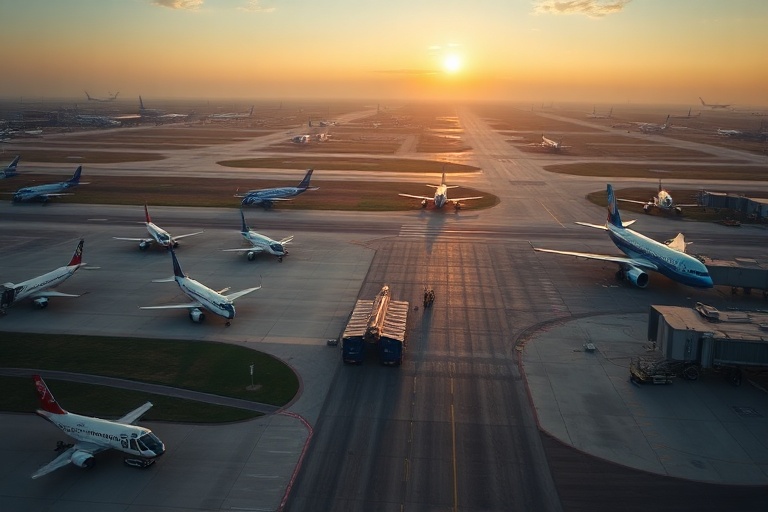
On a routine Tuesday morning in late October, Dallas/Fort Worth International Airport (DFW) found itself at the center of an unexpected operational halt. The Federal Aviation Administration (FAA) issued a ground stop order, halting all departures and arrivals for nearly two hours. The incident, triggered by a reported system anomaly, sent flights to a standstill and disrupted thousands of travelers across multiple continents. While the disruption lasted less than half a day, its implications stretched far beyond the tarmac of DFW.
DFW is one of the world’s busiest airports, handling more than 70 million passengers annually. Its role as a major hub for American Airlines—one of the largest carriers globally—amplifies its influence. When the FAA’s ground stop was announced, the ripple effects were immediate. Flights scheduled to depart from London, Tokyo, and São Paulo were delayed or canceled. Airlines scrambled to rebook passengers, while airports worldwide adjusted their schedules to absorb the overflow. The incident underscored how deeply interconnected modern air travel has become, where a disruption in one corner of the world can cascade across time zones.
The Mechanics Behind the Ground Stop
The FAA’s ground stop was not an isolated event. It stemmed from a reported issue in the FAA’s Traffic Flow Management System (TFMS), a critical tool used to manage air traffic across U.S. airspace. According to preliminary reports, the system flagged an anomaly that could potentially compromise safety protocols. While the FAA later confirmed no immediate threat to aircraft, the precautionary measure was standard procedure. Ground stops are rare but not unprecedented; they serve as a safeguard to prevent systemic risks from cascading into larger crises.
Ground stops differ from full airspace closures. They temporarily halt departures while allowing inbound flights to land. This approach minimizes disruption to ongoing operations while addressing the root cause. In DFW’s case, the ground stop lasted 90 minutes before the FAA lifted the restriction. During that window, airlines worked closely with air traffic control to manage existing flights and reroute those still on the ground. The coordination required during such events highlights the complex ballet of modern aviation, where split-second decisions can determine safety and efficiency.
The Human Impact: Travelers and Airlines
The ground stop wasn’t just a logistical challenge—it was a deeply personal disruption for thousands of travelers. Business travelers missed critical meetings in distant cities. Families on vacation found themselves stranded in terminals, uncertain when they’d reach their destinations. For many, the incident became a lesson in the fragility of global connectivity. Stories emerged of passengers sleeping on terminal floors, airlines waiving change fees, and local hotels offering discounted rooms to stranded travelers. These moments of vulnerability revealed the human side of an industry often criticized for its rigidity.
Airlines acted swiftly to mitigate the fallout. American Airlines, which operates a major hub at DFW, issued statements apologizing for the delays and outlining compensation policies for affected passengers. The airline also deployed additional staff to assist travelers and provided real-time updates through its app and airport monitors. Competitors like Delta and United, while not directly affected, monitored the situation closely, knowing that any prolonged disruption could shift passenger loyalty. The incident served as a reminder of the competitive nature of the airline industry, where reliability is a key differentiator.
A Global Perspective: How Other Countries Respond
While the ground stop was centered in the U.S., its impact was felt globally. Airports in Europe and Asia adjusted their schedules to accommodate delayed flights from DFW. In London’s Heathrow, one of the busiest airports in the world, officials briefed staff on contingency plans for handling diverted American Airlines flights. Similarly, Tokyo’s Narita Airport prepared for potential delays in transpacific routes. The incident highlighted the global nature of air travel, where no airport operates in isolation.
In countries with strict air traffic regulations, such as India and China, the DFW incident sparked discussions about the robustness of their own systems. Indian aviation authorities, for instance, emphasized their adherence to international safety standards, while Chinese media highlighted the efficiency of their air traffic management during peak travel seasons. These reactions reflect a broader trend: nations are increasingly aware of their role in the global aviation ecosystem and the need to maintain public trust in their safety protocols.
The DFW ground stop also intersected with broader trends in aviation technology. The FAA has been modernizing its systems, including the NextGen Air Transportation System, designed to improve efficiency and safety. However, as this incident demonstrated, even advanced technology is not immune to glitches. The event prompted discussions among aviation experts about the balance between innovation and reliability, particularly as airlines adopt new digital tools to streamline operations.
Lessons and the Path Forward
For DFW Airport, the ground stop was a stress test it passed with relative success. The airport’s leadership praised the coordination between airlines, air traffic control, and local authorities. Yet, the incident also raised questions about preparedness. Could DFW have communicated more effectively with passengers during the disruption? Were there redundancies in place to handle such events more smoothly? These are questions that airports and airlines worldwide will likely revisit as they plan for the future.
The aviation industry is no stranger to disruptions. Weather events, labor strikes, and technical failures have all caused delays in the past. However, the DFW ground stop was a reminder that even the most routine operations can be upended by unforeseen circumstances. As airlines and regulators analyze the event, one thing is clear: the need for adaptability has never been greater. Whether it’s a system glitch, a natural disaster, or a public health crisis, the ability to respond swiftly and transparently will define the future of air travel.
For travelers, the incident was a reminder to plan ahead. Airlines like American Airlines and Delta have since introduced more flexible rebooking policies, acknowledging that disruptions are an inevitable part of modern travel. Meanwhile, airports are investing in better communication tools to keep passengers informed during crises. The DFW ground stop may have been a temporary setback, but it also served as a catalyst for improvements across the industry.
Conclusion
The FAA ground stop at DFW Airport was more than a logistical hiccup—it was a snapshot of the challenges and vulnerabilities in modern aviation. From the immediate impact on travelers to the global ripple effects, the incident highlighted the interconnectedness of the world’s air travel network. As airlines and regulators learn from the event, the focus will remain on balancing innovation with reliability, ensuring that the skies remain safe and efficient for everyone. For now, DFW and the FAA have emerged from the disruption with lessons that could shape the future of air travel.