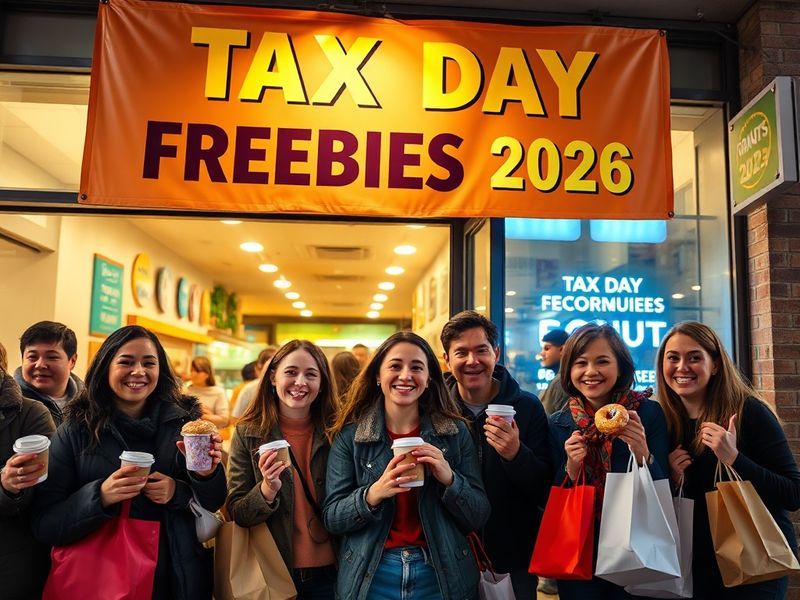
Every spring, a curious American tradition emerges: Tax Day freebies. As citizens scramble to file their returns by April 15th (or request extensions), restaurants and retailers respond with promotions designed to ease the pain of parting with hard-earned dollars. Tax Day 2026 promises to continue this quirky ritual, with chains like Krispy Kreme, Dunkin’, and participating local eateries offering freebies to stressed taxpayers nationwide.
But this phenomenon isn’t confined to the United States. Similar events have popped up in Canada and the UK, where “Tax Return Day” and “Self Assessment Week” freebies offer doughnuts, coffee, and even tax preparation services. What began as a marketing gimmick has evolved into a global cultural moment—a fleeting but meaningful intersection of commerce, community, and civic duty.
Why Tax Day Freebies Matter: More Than Just a Marketing Stunt
The rise of Tax Day freebies reflects deeper shifts in consumer culture and brand behavior. In an era where customer loyalty is fiercely contested, brands leverage emotional triggers—stress, relief, reward—to connect with audiences. Offering a free coffee or pastry becomes a symbolic gesture: “We see you. Filing taxes is hard. Here’s a small reward.”
From a psychological standpoint, these promotions tap into the principle of reciprocity. A customer receives something of perceived value (even if minimal), which may encourage future purchases or brand allegiance. But the appeal extends beyond transactional benefits. For many, especially gig workers and freelancers navigating complex tax codes, the freebie becomes a tangible bright spot in an otherwise stressful process.
Globally, the trend mirrors similar “relief rituals” during tax season. In Japan, convenience stores like 7-Eleven have tested limited-time tax-filing support snacks. In Australia, local cafés offer “Tax Deductible Muffins” as tongue-in-cheek nods to fiscal responsibility. These gestures reveal a universal truth: taxation is a shared human experience—and humor, comfort, and a little sugar can make it more bearable.
What to Expect in 2026: Brands, Dates, and Deals
While official 2026 schedules won’t be released until early next year, we can anticipate participation from major chains based on past patterns. Expect offers like:
- Krispy Kreme: One free glazed doughnut with any purchase or tax filing verification
- Dunkin’: Free medium hot or iced coffee with ID or tax document photo
- Chipotle: BOGO entree with proof of tax filing
- Local diners: Free breakfast specials or dessert with tax return submission screenshot
- H&R Block: Free filing for first-time customers who redeem a promo code
Timing is crucial. Most promotions are valid only on Tax Day itself (April 15, 2026) or during a narrow window around it. Some brands may expand offers to Tax Week, especially if April 15 falls on a weekend. Savvy consumers should check brand websites and social media starting in March for updates.
Not all freebies are equal. While a free coffee may cost a chain $2, the real value lies in the emotional ROI—brand warmth, social media buzz, and customer goodwill. Smaller businesses often participate too, offering discounts to local taxpayers who show their returns. This grassroots participation highlights how tax season has become a communal event, uniting strangers over shared caffeine and calories.
The Cultural Significance: Why We Love Free Stuff on a Stressful Day
Tax Day freebies resonate because they humanize a system often seen as cold and bureaucratic. By offering food or discounts, brands transform an impersonal civic duty into a moment of shared humanity. There’s something almost ritualistic about lining up at a coffee shop with your tax forms in hand—part confession, part celebration, all fueled by sugar.
This phenomenon also reflects broader cultural attitudes toward taxation. In nations with high compliance rates and strong social services, tax filing is often seen as a civic duty. In others, it’s a source of anxiety. Freebies can’t solve systemic issues, but they offer a small, symbolic balm. They say, “We’re all in this together,” even if only for a day.
Social media amplifies the effect. Hashtags like #TaxDayFreebies and #FilingWithFood trend as users post selfies with their tax prep apps and free treats. The visual contrast—filing paperwork next to a frosted doughnut—goes viral, reinforcing the brand’s message while normalizing the act of tax filing.
Abroad, similar trends reveal how cultures adapt global ideas to local contexts. In Germany, where tax season is less dramatic, some bakeries offer “Steuerfreier Kuchen” (tax-free cake) as a playful nod. In India, where the fiscal year ends in March, cafés promote “FY Finish Fests” with free chai. These adaptations show that while the specifics vary, the impulse to soften financial stress with comfort is universal.
Tips for Maximizing Tax Day Freebies in 2026
Planning ahead is key. Create a simple checklist to ensure you don’t miss out:
- Follow brands on social media: Twitter, Instagram, and Facebook are primary channels for promo announcements.
- Download apps: Many chains now require app-based redemption, so update your software in advance.
- Prepare your documents: Some offers require a photo of your return or filing confirmation—have it ready.
- Check local listings: Smaller businesses may not advertise widely, so a quick Google search for “tax day freebies near me” can yield surprises.
- Go early: Popular locations run out of promo items fast, especially chains like Dunkin’ and Krispy Kreme.
Don’t overlook tax prep services. H&R Block, TurboTax, and others often partner with restaurants for bundled deals. Some even offer free filing for customers who redeem a freebie code—double the value.
For those avoiding sugary temptations, healthier options are emerging. Chipotle’s BOGO bowls and salad deals cater to mindful eaters, while juice bars offer “Fiscal Fuel” smoothies. The evolution of freebies mirrors broader dietary trends, proving that even tax season can be inclusive.
Finally, consider the bigger picture. While a free doughnut won’t lower your tax bill, it might make the process feel a little less lonely. In a world where financial stress is pervasive, these small acts of generosity—from brands and communities—offer a rare moment of collective relief.
A Global Tradition in the Making
Tax Day freebies may have started as a quirky American marketing tactic, but they’ve grown into something more: a global micro-tradition. As economies evolve and tax systems digitize, the need for emotional connection remains constant. Whether it’s a maple-glazed doughnut in Toronto or a flat white in Sydney, the ritual endures—a sweet reminder that even the most mundane civic duties can be shared with a little joy.
The brands that understand this will continue to thrive. Those that don’t? They’ll be left filing their own returns—without a freebie in sight.