Why Seattle’s Unique Blend of Nature and Tech Makes It a Global Powerhouse
“`html
Seattle: The City Where Nature and Innovation Collide
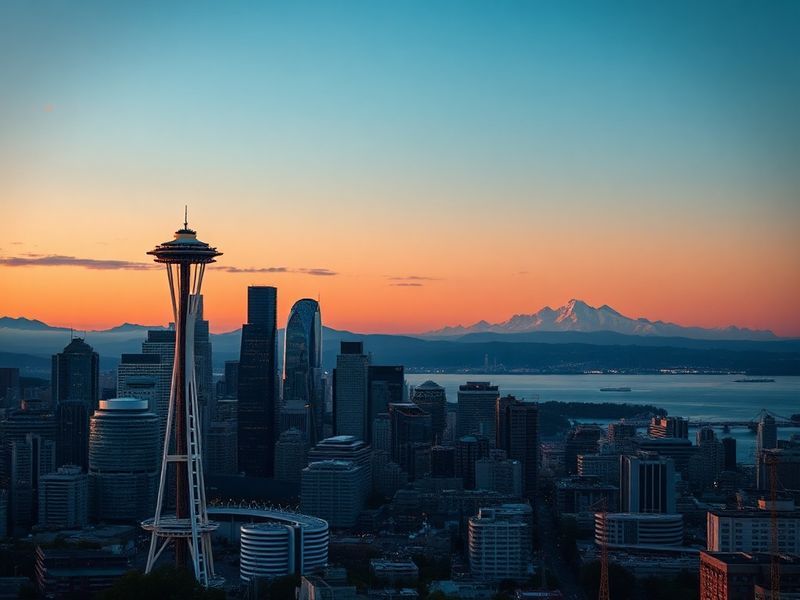
Seattle’s skyline is a study in contrasts. Glass towers rise against a backdrop of evergreen forests, while ferries crisscross Puget Sound beneath snow-capped mountains. The city’s identity has been shaped by its geography—sandwiched between water and wilderness—but its global influence extends far beyond its lush landscapes. From music to technology, Seattle has quietly become a cultural and economic powerhouse, often overshadowed by its larger neighbors but impossible to ignore.
Unlike coastal cities that rely on tourism or industrial hubs built on manufacturing, Seattle’s economy thrives on brainpower. The presence of tech giants like Amazon and Microsoft has transformed the city into a magnet for innovators, while its historic role as a port city ensures a steady flow of global trade. Yet, beneath the surface of its rain-soaked streets and coffee-scented air lies a deeper narrative—one of resilience, creativity, and an unshakable connection to the natural world.
The Rainy Reputation: Beyond the Stereotypes
Seattle’s rainy reputation is both a blessing and a curse. The city averages 152 rainy days per year, a fact that has cemented its gloomy stereotype in pop culture. Yet, the rain is far from the dominant force in the city’s character. It’s more accurate to describe Seattle as a city of overcast skies and occasional sunshine, where the weather is less of an obstacle and more of a backdrop to daily life.
This mild, maritime climate has shaped Seattle’s culture in subtle ways. The city’s coffee obsession, for instance, isn’t just a quirky habit—it’s a practical response to chilly, damp mornings. The first Starbucks opened in Pike Place Market in 1971, not as a corporate empire, but as a local business catering to the needs of fishermen, artists, and writers who needed warmth and caffeine. Today, Seattle’s coffee culture is a point of pride, a global export, and a testament to the city’s ability to turn necessity into innovation.
Even the rain has its advantages. The misty atmosphere lends a moody, cinematic quality to the city, making it a favorite filming location for movies and TV shows. The damp climate also preserves the city’s historic architecture, from the ornate facades of Pioneer Square to the mid-century modern homes of Queen Anne. In many ways, Seattle’s weather is less of a deterrent and more of an invitation to embrace indoor creativity and community.
Grunge, Tech, and the Sound That Shaped a City
Seattle’s most famous cultural export might be grunge music, but its influence on the world extends far beyond flannel shirts and distorted guitars. In the late 1980s and early 1990s, bands like Nirvana, Pearl Jam, and Soundgarden emerged from the city’s underground music scene, capturing the frustration and disillusionment of a generation. Yet, grunge was more than a musical movement—it was a cultural reset, a rejection of excess in favor of authenticity and raw emotion.
The city’s music scene continues to thrive today, with venues like the Crocodile and Neumos serving as incubators for new talent. But Seattle’s cultural footprint isn’t limited to music. The city has also been a hub for visual arts, with institutions like the Seattle Art Museum and the Frye Art Museum fostering creativity. Meanwhile, the entertainment industry has found a home in Seattle, with the city serving as a filming location for major productions like Sleepless in Seattle and Frasier.
The tech boom of the 21st century has only amplified Seattle’s global reach. Companies like Amazon and Microsoft have turned the city into a talent magnet, drawing engineers, designers, and entrepreneurs from around the world. This influx of brainpower has led to a surge in startups, co-working spaces, and innovation hubs, particularly in neighborhoods like South Lake Union. The city’s tech scene isn’t just about Silicon Valley’s cutthroat culture—it’s a blend of collaboration and competition, where even the biggest players still feel like scrappy underdogs.
A City Built on Trade and Innovation
Seattle’s history is deeply tied to its port. Founded in 1851 as a logging outpost, the city quickly became a gateway for trade between the Pacific Northwest and the rest of the world. The Port of Seattle handles billions of dollars in cargo annually, connecting the region to Asia, Europe, and beyond. But the port’s influence extends beyond economics—it’s a cultural crossroads, where goods, ideas, and people converge.
- Global Connections: The port’s trade routes have made Seattle a melting pot of cultures. Neighborhoods like International District and Beacon Hill reflect this diversity, with restaurants, markets, and festivals celebrating everything from Vietnamese pho to Ethiopian injera.
- Industrial Legacy: While the city’s economy has shifted toward tech, remnants of its industrial past remain. The historic waterfront, once home to sawmills and shipyards, is now a mix of museums, parks, and upscale development.
- Sustainability Efforts: In recent years, the port has become a leader in green initiatives, from electrifying cargo operations to reducing carbon emissions. Seattle’s commitment to sustainability is a reflection of its broader values—practical, forward-thinking, and deeply connected to its environment.
The Great Indoors: Seattle’s Creative and Culinary Scene
Seattle isn’t just a city for outdoor enthusiasts—it’s a haven for those who prefer the comfort of four walls. The city’s creative scene is thriving, with galleries, theaters, and performance spaces dotting its neighborhoods. The Seattle International Film Festival, one of the largest in the country, showcases independent films from around the world, while the city’s literary community includes celebrated authors like Sherman Alexie and Maria Semple.
Food is another area where Seattle shines. The city’s dining scene is a reflection of its diversity and innovation. Pike Place Market, one of the oldest continuously operated farmers markets in the U.S., is a must-visit for fresh produce, artisanal cheeses, and locally caught seafood. Meanwhile, the city’s restaurant culture has evolved to include everything from high-end tasting menus to food trucks serving global street food. Seattle’s commitment to local, sustainable ingredients has made it a leader in the farm-to-table movement.
For those who prefer to stay indoors, Seattle offers plenty of options. The city’s coffee shops are legendary, with each neighborhood boasting its own favorite haunts. Bookstores like Elliott Bay Book Company and Third Place Books provide cozy retreats for readers, while museums like the Museum of Pop Culture (MoPOP) celebrate everything from sci-fi to music history. Even the city’s sports culture, centered around the Seahawks and Sounders FC, thrives in indoor stadiums, where fans gather to cheer on their teams.
The Future of Seattle: Challenges and Opportunities
Seattle’s rapid growth has brought challenges as well as opportunities. The city’s tech boom has driven up housing costs, pushing long-time residents out of neighborhoods they’ve called home for generations. Homelessness has become a pressing issue, with the city struggling to balance development with affordability. Meanwhile, climate change poses a long-term threat, from rising sea levels to increased wildfire smoke.
Yet, Seattle has always been a city of reinvention. Its history is one of resilience, from the Great Seattle Fire of 1889 to the economic downturns of the 20th century. Today, the city is taking steps to address its challenges, from investing in affordable housing to expanding public transit. The push for sustainability is also gaining momentum, with initiatives like the Green New Deal for Seattle aiming to make the city carbon-neutral by 2030.
For all its challenges, Seattle remains a city of contrasts—where the past and future coexist, where nature and innovation intertwine, and where creativity thrives against all odds. It’s a city that punches above its weight, not because it seeks the spotlight, but because it offers something rare: a place where the world comes to redefine itself.
A City Worth Watching
Seattle’s story is far from over. As the world grapples with issues like climate change, inequality, and technological disruption, the city offers a unique perspective. Its blend of natural beauty, cultural richness, and economic ambition makes it a microcosm of global trends. Whether it’s the latest indie band playing a dive bar in Capitol Hill or a tech CEO brainstorming the next big innovation in a South Lake Union lab, Seattle continues to shape the future—one rainy day at a time.