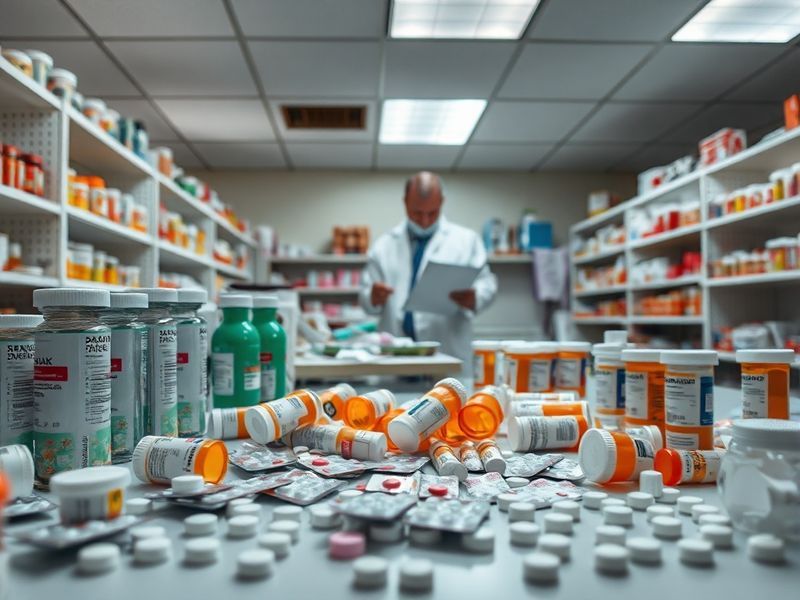
The U.S. pharmaceutical industry faces another high-stakes recall as multiple batches of alprazolam, commonly known by the brand name Xanax, have been pulled from pharmacy shelves. The recall, initiated by several manufacturers and the FDA, centers on concerns over potential contamination and inconsistencies in dosage strength. While Xanax remains one of the most prescribed anti-anxiety medications in the country, recent regulatory scrutiny has cast a spotlight on supply chain vulnerabilities and quality control issues within generic drug production.
For the millions of Americans who rely on Xanax for managing anxiety disorders and panic attacks, such recalls raise immediate concerns about medication safety and continuity of care. The situation also underscores broader challenges in the pharmaceutical supply chain, including overseas manufacturing dependencies and post-pandemic disruptions. As the recall expands, both patients and healthcare providers are left navigating uncertainty—balancing immediate health needs with long-term trust in prescription medications.
Why the Recall Is Happening
The Xanax recall stems from two primary issues identified during routine FDA inspections and internal testing. First, several batches tested positive for trace amounts of nitrosamines, a class of compounds that may pose a cancer risk with long-term exposure. While the levels detected are below immediate danger thresholds, the FDA has adopted a precautionary stance, mandating recalls to prevent any potential risk to patients. Second, laboratory analyses revealed inconsistencies in dosage uniformity across certain lots, meaning some tablets may contain more or less active ingredient than labeled.
This isn’t the first time generic alprazolam has faced regulatory scrutiny. In 2022, a similar recall occurred after a manufacturing facility in India was found to have inadequate contamination controls. The recurring pattern highlights systemic weaknesses in global pharmaceutical supply chains, particularly for medications produced overseas. The FDA has emphasized that the current recall is voluntary and precautionary, but the cumulative effect of multiple enforcement actions is eroding confidence in the reliability of generic alternatives to brand-name Xanax.
Key Facts About the Recall
- Manufacturers Involved: Major generic producers including Aurobindo Pharma, Mylan Pharmaceuticals, and Solco Healthcare have issued voluntary recalls for specific lot numbers.
- Affected Dosages: Primarily 0.5 mg, 1 mg, and 2 mg strengths of alprazolam tablets.
- Distribution Scope:
- Recalled products were distributed nationwide through major pharmacy chains including CVS, Walgreens, and Rite Aid.
- Some lots were also exported to Canada and Mexico, prompting international regulatory responses.
- Patient Action: Patients are advised to check their medication lot numbers against the FDA’s online recall database and consult their pharmacists or prescribers before discontinuing use abruptly.
- FDA Response: The agency has launched an investigation into manufacturing practices and is increasing oversight of facilities with prior compliance issues.
Broader Implications for the Pharmaceutical Industry
The Xanax recall is more than a single-product issue—it reflects deeper vulnerabilities in the U.S. drug supply ecosystem. Approximately 80% of active pharmaceutical ingredients used in American medications are manufactured overseas, primarily in India and China. While globalization has reduced costs, it has also introduced risks related to quality control, regulatory oversight, and geopolitical stability. The FDA’s limited inspection capacity abroad has long been a concern, and recalls like this one amplify calls for increased funding and authority to monitor foreign facilities.
The economic ripple effects are also significant. Generic drug manufacturers operate on razor-thin margins, and frequent recalls can strain already limited production resources. Some smaller companies may struggle to absorb the cost of corrective actions or legal settlements, potentially leading to consolidation within the industry. Meanwhile, patients who depend on affordable generics may face shortages or price surges if alternative suppliers cannot quickly fill the gap.
This situation also intersects with the ongoing mental health crisis in the U.S. Anxiety and depression diagnoses have surged since the pandemic, and medications like Xanax are frequently prescribed as part of treatment plans. A disruption in supply can disrupt continuity of care, especially for patients who have built stable routines around their medication. Clinicians report increased anxiety among patients not only about their health but also about the reliability of their treatment options.
What Patients and Doctors Should Do Next
For patients currently taking Xanax, the first step is verification. The FDA’s website provides a searchable database where individuals can enter their medication’s lot number and expiration date to determine if it’s affected. Pharmacies are also required to notify customers whose prescriptions match recalled lots. However, with many patients filling prescriptions through mail-order services or online pharmacies, communication gaps can occur.
Healthcare providers are being urged to review their patients’ regimens proactively. Abruptly stopping Xanax can lead to withdrawal symptoms, including seizures in severe cases. Instead, doctors may recommend switching to alternative medications—such as buspirone or selective serotonin reuptake inhibitors (SSRIs)—or transitioning to non-pharmacological therapies like cognitive behavioral therapy (CBT). Some clinicians are also exploring compounded formulations from licensed pharmacies, though these require additional safety checks.
The recall has reignited debates about drug pricing and the trade-offs between affordability and reliability. While generics offer cost savings, the lack of robust supply chain redundancy leaves patients vulnerable. Policymakers are beginning to discuss incentives for domestic manufacturing and stricter penalties for non-compliance, but meaningful change will take time. In the interim, both patients and providers must remain vigilant, prioritize open communication, and advocate for transparent recall processes.
Looking Ahead: Trust and Transparency in Medication Safety
This recall arrives at a moment when public trust in pharmaceuticals is already fragile. Misinformation about medications—amplified by social media—has led some patients to question the safety of all prescription drugs, not just those under scrutiny. Healthcare professionals emphasize the importance of relying on verified sources, such as the FDA or their pharmacists, rather than anecdotal reports or unverified online claims.
Moving forward, the pharmaceutical industry must prioritize transparency. Clear, timely communication about recalls—including details about affected lots, potential risks, and available alternatives—can mitigate panic and ensure patient safety. The FDA has also signaled a shift toward more proactive surveillance, using data analytics to detect irregularities earlier in the production cycle. While these measures are steps in the right direction, they must be paired with systemic reforms to address the root causes of supply chain fragility.
For now, the Xanax recall serves as a cautionary tale about the complexities of modern medicine. It highlights the delicate balance between accessibility, affordability, and safety—challenges that require collaboration among regulators, manufacturers, healthcare providers, and patients. In an era where prescription medications are both lifelines and sources of anxiety, restoring confidence will depend on accountability, innovation, and a shared commitment to patient well-being.
As the situation evolves, staying informed and proactive remains the best strategy for everyone involved—from the patient holding a bottle of pills to the policymaker shaping the future of drug regulation.
Related Resources
Learn more about medication safety and mental health resources: