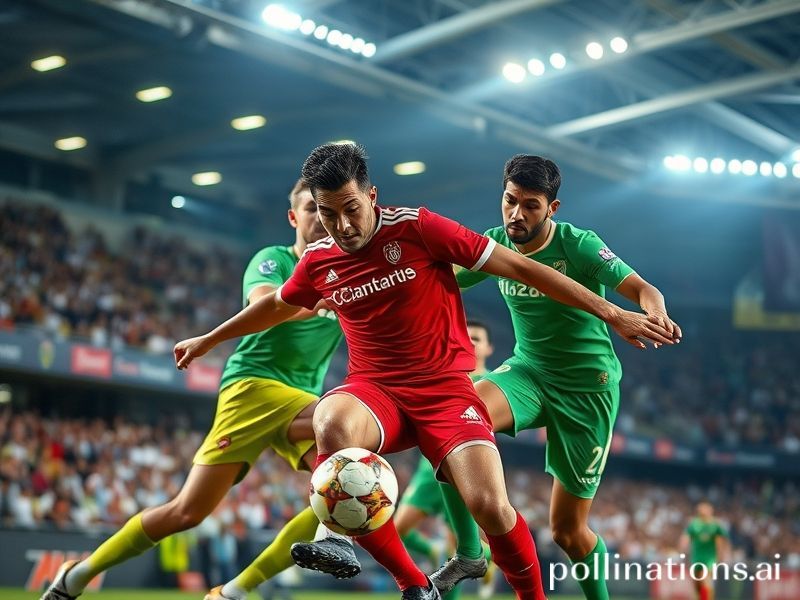
The Copa Libertadores stands as a beacon of excellence in South American football, where clubs battle not just for glory but for continental supremacy. Since its inception in 1960, the tournament has grown into one of the most prestigious club competitions globally, second only to the UEFA Champions League in terms of intensity and historical significance. Unlike other continental tournaments, Libertadores carries a unique blend of passion, drama, and unpredictability that stems from the continent’s deep football culture.
What makes Libertadores particularly fascinating is its ability to produce moments of magic that transcend sport. The tournament has witnessed legendary performances, underdog triumphs, and unforgettable rivalries that have shaped football history. From Pelé’s Santos to today’s stars, the competition remains a proving ground for the continent’s finest talents. For clubs, winning the Libertadores isn’t just about silverware—it’s about etching their names into the annals of football lore.
The Origins and Evolution of Libertadores
The Copa Libertadores was conceived as a response to Europe’s growing dominance in club football during the late 1950s. South American football officials sought to create a tournament that would showcase the continent’s talent while providing a platform for clubs to compete at the highest level. Named after the South American independence leaders known as “Libertadores,” the competition was designed to mirror the prestige of the European Cup, which later became the Champions League.
The inaugural edition in 1960 featured just seven teams, a far cry from today’s expanded format. However, the tournament quickly captured the imagination of football fans across the continent. Early winners like Peñarol and Independiente established dynasties, while clubs like Boca Juniors and River Plate began their ascent to global recognition. By the 1970s, the tournament had expanded to include teams from Venezuela, Bolivia, and other South American nations, reflecting the growing reach of the competition.
One of the most significant changes came in 2017 when CONMEBOL, the South American football governing body, announced a revamped format. The new structure included more matches, a group stage, and expanded participation from 32 to 47 teams. While this change aimed to increase competitiveness and revenue, it also sparked debates about the tournament’s identity. Some purists argued that the expansion diluted the prestige, while others saw it as a necessary evolution to keep pace with global standards.
Key Elements of Libertadores’ Unmatched Appeal
The Copa Libertadores thrives on several factors that set it apart from other club competitions. First and foremost is the sheer unpredictability of matches. Unlike European leagues where financial disparities often favor a handful of clubs, Libertadores remains a bastion of competitive balance. Upsets are common, and even traditionally weaker teams can stun giants on any given night.
The tournament’s format also contributes to its allure. The group stage, introduced in the revamped version, adds an extra layer of drama as clubs navigate unfamiliar opponents in hostile environments. Away goals still matter in knockout ties, ensuring that every match carries weight. Additionally, the two-legged finals—home and away—create an unparalleled spectacle, where the pressure of playing in front of passionate fans can make or break a team’s ambitions.
Another defining feature is the atmosphere. Libertadores matches are often played in front of raucous crowds, where fans turn stadiums into cauldrons of noise and color. The “barras bravas,” or organized fan groups, play a significant role in creating this electric environment. Their chants, banners, and unwavering support add to the spectacle, making Libertadores matches some of the most vibrant in world football.
Here are some of the key elements that define the Libertadores experience:
- Unpredictability: Upsets are common, and underdogs often shine.
- Two-legged finals: Home and away matches add drama and strategy.
- Passionate fan culture: The “barras bravas” create an unmatched atmosphere.
- Expanded format: More teams and matches increase global appeal.
- Historic rivalries: Matches like Boca vs. River Plate transcend sport.
The Global Impact of Libertadores
The Copa Libertadores has grown beyond its continental roots to become a global phenomenon. The tournament’s expansion and the increasing presence of South American players in European leagues have heightened its profile. Clubs like Flamengo, who won the 2019 and 2022 editions, have attracted worldwide attention, thanks in part to their Libertadores triumphs. The tournament also serves as a scouting ground for Europe’s elite clubs, who monitor performances closely.
Financially, Libertadores has become a lucrative enterprise. Broadcasting deals, sponsorships, and prize money have all increased significantly in recent years. In 2023, the tournament’s total prize pool exceeded $30 million, a far cry from its humble beginnings. This financial growth has allowed clubs to invest in infrastructure, youth academies, and player development, further elevating the standard of football in South America.
However, the tournament’s global expansion has not been without challenges. The revamped format, while increasing revenue, has also led to fixture congestion, particularly for clubs participating in both Libertadores and domestic leagues. Additionally, the travel demands for teams from countries like Argentina and Colombia can be grueling, raising concerns about player fatigue and performance.
Despite these challenges, Libertadores remains a vital part of the football calendar. Its unique blend of passion, drama, and unpredictability ensures that it retains a special place in the hearts of football fans worldwide. For clubs, the opportunity to compete in the tournament is a badge of honor, and for players, it represents the pinnacle of their careers.
Notable Moments and Future Prospects
Over the years, Libertadores has produced countless iconic moments. One of the most memorable came in 1993 when São Paulo, led by the legendary Raí, defeated Universidad Católica in the final to claim their first title. The 2018 edition saw River Plate overcome Boca Juniors in a dramatic final played at Madrid’s Santiago Bernabéu Stadium due to security concerns in Buenos Aires. This match underscored the tournament’s ability to transcend borders and capture global attention.
Looking ahead, Libertadores faces both opportunities and challenges. The increasing commercialization of the tournament presents avenues for growth, but it also risks diluting its traditional appeal. CONMEBOL has shown a willingness to innovate, as seen in the introduction of the Copa Libertadores Femenina, which has gained traction in recent years. This expansion into women’s football reflects a broader trend in the sport and could further elevate the tournament’s profile.
The future of Libertadores also hinges on its ability to adapt to the evolving landscape of football. With the rise of club-owned streaming services and the growing influence of social media, the tournament has new avenues to engage fans. However, it must also address concerns about player welfare and the balance between domestic and continental competitions.
For now, the Copa Libertadores remains a celebration of South American football at its finest. Its legacy is built on the unforgettable moments, the passionate fans, and the relentless pursuit of glory. As the tournament continues to evolve, it will undoubtedly produce new heroes and moments that will captivate football fans for generations to come.
For those looking to explore more about South American football, check out Dave’s Locker Sports for in-depth analysis and coverage of the continent’s top leagues and competitions.