<!DOCTYPE html>
<html lang="en">
<head>
    <meta charset="UTF-8">
    <meta name="viewport" content="width=device-width, initial-scale=1.0">
    <title>Global Shortages: Causes, Impacts, and Responses</title>
</head>
<body>
    <article>
        <h1>Global Shortages: The Ripple Effect of Supply Chain Disruptions</h1>

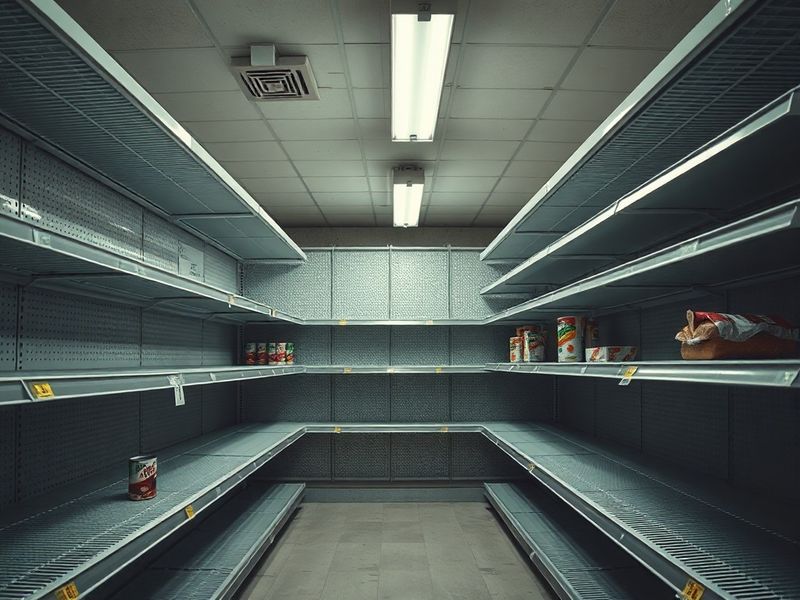
        <p>The modern world relies on a delicate balance of supply and demand, a system that has shown cracks in recent years. From semiconductor chips to basic food staples, shortages have become a defining feature of the 2020s. These disruptions are not isolated incidents but symptoms of deeper systemic issues—geopolitical tensions, climate change, and economic volatility. Understanding their causes and consequences requires examining the interconnected nature of global trade, local production, and consumer behavior.</p>

        <p>Shortages reveal vulnerabilities in how societies function. When critical goods become scarce, the effects ripple through economies, politics, and daily life. This article explores the multifaceted nature of shortages, their global impact, and the strategies being employed to mitigate them.</p>

        <h2>The Roots of Scarcity: What’s Behind the Shortages?</h2>

        <p>Several key factors contribute to the persistence of shortages worldwide. The COVID-19 pandemic exposed fragilities in supply chains that had grown overly reliant on just-in-time delivery models. Factory shutdowns in China, port congestion in Los Angeles, and labor shortages in warehouses created bottlenecks that are still being felt today. Beyond the pandemic, other drivers include:</p>

        <ul>
            <li><strong>Geopolitical conflicts:</strong> The war in Ukraine disrupted global wheat and fertilizer markets, sending food prices soaring. Sanctions on Russia and Belarus further tightened supplies of critical commodities like neon gas, essential for semiconductor manufacturing.</li>
            <li><strong>Climate-related disasters:</strong> Extreme weather events—droughts in Brazil, floods in Pakistan, and hurricanes in the Caribbean—have devastated crops and disrupted energy production. These events highlight the vulnerability of agricultural and energy sectors to climate change.</li>
            <li><strong>Labor market shifts:</strong> The Great Resignation and declining birth rates in many countries have reduced the workforce available for key industries. In Japan, a shrinking population has led to labor shortages in logistics and healthcare, while in the U.S., truck driver shortages have delayed deliveries nationwide.</li>
            <li><strong>Resource nationalism:</strong> Governments in resource-rich countries are increasingly prioritizing domestic supply over exports. Indonesia’s ban on nickel exports, for instance, was designed to boost local processing industries but reduced global supply of a critical battery material.</li>
        </ul>

        <p>These factors are not new, but their convergence has created a perfect storm. The result is a global economy where scarcity is no longer an exception but a recurring challenge.</p>

        <h2>From Semiconductors to Sugar: Sectors Most Affected</h2>

        <p>No industry has been spared the fallout of shortages, but some have been hit harder than others. The most visible example is the semiconductor shortage, which began during the pandemic and continues to disrupt multiple sectors. Automakers like Ford and Toyota had to idle factories because they couldn’t source enough chips for their vehicles. The problem stems from a concentration of semiconductor manufacturing in a few countries—Taiwan, South Korea, and the U.S.—combined with sudden spikes in demand for electronics and automobiles.</p>

        <p>Food shortages present another critical challenge. The United Nations estimates that over 200 million people faced acute food insecurity in 2023, a figure that has doubled since 2019. Staples like wheat, rice, and cooking oil have seen price surges due to export restrictions, poor harvests, and rising fuel costs. In countries like Sri Lanka and Lebanon, these shortages have triggered political unrest and economic collapse.</p>

        <p>The energy sector has also been strained. Europe’s scramble to replace Russian gas with alternatives led to a surge in demand for liquefied natural gas (LNG), creating shortages in Asia and driving up prices globally. Meanwhile, the transition to renewable energy has faced its own bottlenecks, including shortages of rare earth metals needed for solar panels and wind turbines.</p>

        <h2>Cultural and Economic Responses to Scarcity</h2>

        <p>Societies adapt to shortages in diverse ways, reflecting their cultural values and economic structures. In Japan, where labor shortages are a long-standing issue, companies have turned to robotics and automation to fill gaps. Convenience stores like 7-Eleven use robots to manage inventory and prepare food, reducing reliance on human workers. This approach aligns with Japan’s broader strategy to maintain productivity despite a shrinking workforce.</p>

        <p>In contrast, some countries have embraced protectionist policies to shield their populations from global shortages. India, for example, has imposed export bans on certain agricultural products, such as rice and wheat, to ensure domestic supply. While these measures protect local consumers, they can exacerbate shortages elsewhere and strain international trade relationships.</p>

        <p>Cultural attitudes toward consumption also play a role. In Western countries, the "throwaway culture" of the past is gradually giving way to a focus on durability and repair. Movements like "right to repair" advocate for policies that make it easier for consumers to fix products rather than replace them, reducing demand for scarce materials. Similarly, the rise of thrift stores, clothing swaps, and food-sharing apps reflects a shift toward more sustainable consumption patterns.</p>

        <p>Businesses, too, are rethinking their strategies. Many are diversifying their supply chains to reduce reliance on single sources. Apple, for instance, has begun sourcing chips from multiple manufacturers and expanding production in India and Vietnam. This approach comes with higher costs but offers greater resilience against future disruptions.</p>

        <h2>The Role of Policy: Can Governments Ease the Crunch?</h2>

        <p>Governments are under pressure to address shortages through policy interventions. In the U.S., the CHIPS Act allocated $52 billion to boost domestic semiconductor production, aiming to reduce reliance on foreign manufacturers. The Inflation Reduction Act further incentivized domestic manufacturing of clean energy technologies, addressing shortages in critical materials like lithium and cobalt.</p>

        <p>Europe has taken a different approach, focusing on strategic stockpiles and diversifying energy sources. The European Union’s plan to phase out Russian gas by 2027 has driven investment in LNG terminals and renewable energy projects. Meanwhile, countries like Singapore have turned to vertical farming to address food shortages, reducing dependence on imports.</p>

        <p>However, policy responses are not without controversy. Critics argue that subsidies and tariffs designed to protect domestic industries can distort markets and lead to inefficiencies. For example, the U.S. solar industry has faced tariffs on imported panels, which some argue have slowed the adoption of renewable energy and increased costs for consumers.</p>

        <p>International cooperation offers another path forward. Initiatives like the World Trade Organization’s Trade Facilitation Agreement aim to streamline customs procedures and reduce trade barriers, easing the flow of goods across borders. Yet, geopolitical tensions often undermine such efforts. The ongoing rivalry between the U.S. and China, for instance, has led to export controls on advanced technologies, further fragmenting global supply chains.</p>

        <h2>Looking Ahead: Preparing for a Scarce Future</h2>

        <p>The shortages of the past few years may be just the beginning. Climate change, geopolitical instability, and demographic shifts suggest that scarcity will remain a defining challenge of the 21st century. Preparing for this future requires a multifaceted approach:</p>

        <ol>
            <li><strong>Investing in resilience:</strong> Governments and businesses must prioritize redundancy in supply chains, ensuring that critical goods can be sourced from multiple locations. This includes expanding domestic production of essential materials and diversifying trade partnerships.</li>
            <li><strong>Adopting circular economies:</strong> Moving away from linear models of "take-make-waste" can reduce reliance on scarce resources. Recycling, remanufacturing, and sharing economies can extend the lifespan of products and materials.</li>
            <li><strong>Enhancing global cooperation:</strong> Addressing shortages requires collective action. International agreements on trade, climate, and technology can help mitigate the worst effects of scarcity. However, this demands overcoming geopolitical divisions and fostering trust between nations.</li>
            <li><strong>Empowering local communities:</strong> Local production and consumption can reduce vulnerability to global disruptions. Urban farming, community energy projects, and small-scale manufacturing can build resilience at the grassroots level.</li>
        </ol>

        <p>The path forward is not without challenges. Shortages force societies to confront uncomfortable truths about consumption, inequality, and sustainability. Yet, they also present an opportunity to rethink how we produce, distribute, and use resources. The choices made today will shape the economic and social landscape for decades to come.</p>

        <p>As consumers, policymakers, and businesses navigate this new reality, the goal should not be to return to a pre-shortage status quo but to build a more sustainable and equitable system. The era of abundance is over. The era of scarcity management has begun.</p>
    </article>

    <!-- Metadata Section -->