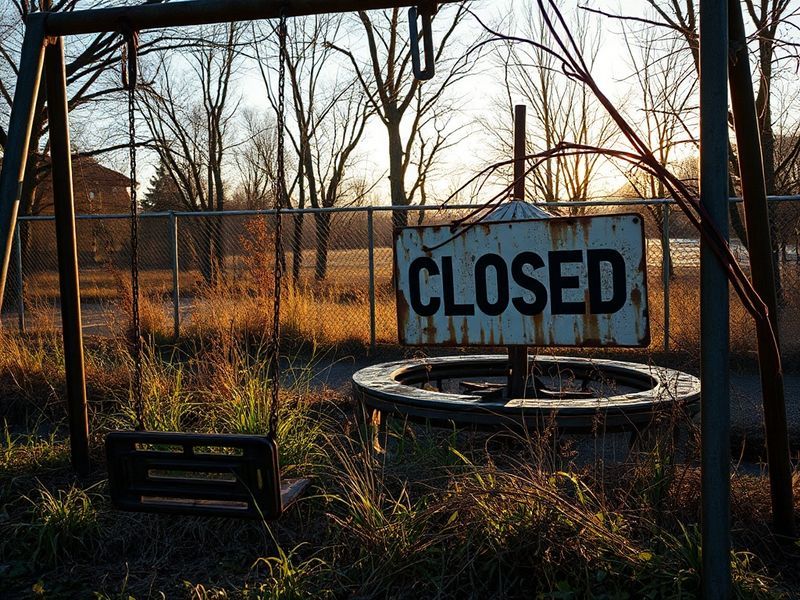
Meridian Park, a longtime community gathering spot in Harvester, has officially closed its doors after months of uncertainty. The closure marks the end of an era for residents who frequented the park for everything from weekend picnics to youth sports leagues. City officials confirmed the decision in a brief statement last week, citing financial constraints and deferred maintenance as primary factors.
For many in Harvester, the news came as no surprise. Over the past two years, the park had shown visible signs of neglect—peeling paint on playground equipment, broken benches, and overgrown landscaping. Maintenance requests submitted by residents often went unanswered, leaving the park in a state of disrepair. The final straw appears to have been a structural assessment that revealed safety hazards in the park’s pavilion, rendering it unusable without costly repairs.
Behind the Decision: Financial and Structural Challenges
The closure wasn’t made lightly. City council members discussed the park’s future in a series of public meetings, where financial strain emerged as a recurring theme. Harvester’s budget, like many municipalities, has been stretched thin by rising operational costs and reduced state funding. According to a breakdown provided by the city’s finance department, maintaining Meridian Park would have required an estimated $1.2 million over the next five years—funds that simply weren’t available.
City officials have proposed redirecting those funds toward higher-priority projects, including road repairs and public safety upgrades. “We’re not abandoning the community,” said Mayor Linda Carter in a press conference. “We’re making tough choices to ensure the most critical needs are met first.” The decision has sparked mixed reactions, with some residents understanding the financial reality and others questioning whether the park could have been saved through alternative funding or partnerships.
What Happens Next?
While the park is now closed, the city has outlined a timeline for the decommissioning process. The playground equipment will be removed within the next 30 days, followed by a full site assessment to determine future use. The city has not yet announced plans for the land, but options under consideration include repurposing the space for affordable housing, a community center, or green infrastructure projects.
Residents have mixed feelings about these possibilities. Some see potential in revitalizing the area, while others fear losing the last remaining green space in Harvester. A local advocacy group, Harvester for Parks, has started a petition to explore alternative funding sources, such as grants or private sponsorships, to reopen the park in some capacity.
Community Impact: More Than Just a Park
Meridian Park was more than just a place to relax—it was a hub for community events, youth programs, and social connections. For decades, the park hosted annual festivals, outdoor concerts, and holiday celebrations that drew hundreds of attendees. Local sports leagues, including youth soccer and baseball, relied on the park’s fields for practices and games. Its closure leaves a significant gap in Harvester’s recreational offerings.
The loss of the park also raises concerns about public health. Studies have shown that access to green spaces improves mental well-being and encourages physical activity, especially in underserved communities. Without Meridian Park, residents—particularly children and seniors—may face barriers to outdoor recreation. “This isn’t just about aesthetics,” said Dr. Elena Ruiz, a public health researcher. “It’s about equitable access to spaces that promote well-being.”
Voices from Harvester: Residents Speak Out
To gauge the community’s reaction, we spoke with several residents whose lives were intertwined with the park.
- Maria Lopez, a longtime resident: “I’ve been bringing my kids here since they were toddlers. Now where will they play? The nearest park is a 20-minute drive away.”
- James Carter, a youth soccer coach: “We lost our home field this season. The kids are devastated, and we’ve had to cancel games.”
- David Kim, a local business owner: “The park brought foot traffic to my café. Without it, I’ve seen a noticeable drop in weekend customers.”
These stories highlight the park’s role as a cornerstone of Harvester’s social fabric. Its closure isn’t just a logistical issue; it’s an emotional one for many who called it their second home.
Could This Have Been Avoided?
The closure of Meridian Park raises broader questions about municipal priorities and long-term planning. Could the city have explored alternative solutions, such as public-private partnerships or crowdfunding campaigns? Some cities have successfully saved similar spaces by engaging residents in the decision-making process. For example, community-driven initiatives in nearby towns have revitalized parks through volunteer efforts and local fundraising.
Others point to the need for proactive maintenance. The city’s deferred repairs at Meridian Park are part of a larger trend where aging infrastructure is neglected until it becomes a crisis. “Prevention is always cheaper than reaction,” noted urban planner Rachel O’Connor. “If the city had allocated even a fraction of the $1.2 million for regular upkeep, we might not be in this situation today.”
A Glimmer of Hope?
Despite the closure, there’s still a chance Meridian Park could reopen in some form. The city has agreed to hold a town hall meeting next month to discuss potential alternatives. Residents are encouraged to share their ideas and concerns, though no guarantees have been made. Some have suggested a phased reopening, starting with basic repairs and community-led cleanups.
For now, Harvester is left to mourn the loss of a cherished space. The closure of Meridian Park serves as a reminder of the fragility of public amenities and the importance of advocating for their preservation. Whether it’s through grassroots efforts or policy changes, the future of the park—and similar spaces across the country—will depend on how communities respond to this challenge.
As Harvester moves forward, one thing is clear: the memory of Meridian Park will endure in the hearts of those who called it home. The question now is whether its legacy will inspire action or fade into history.