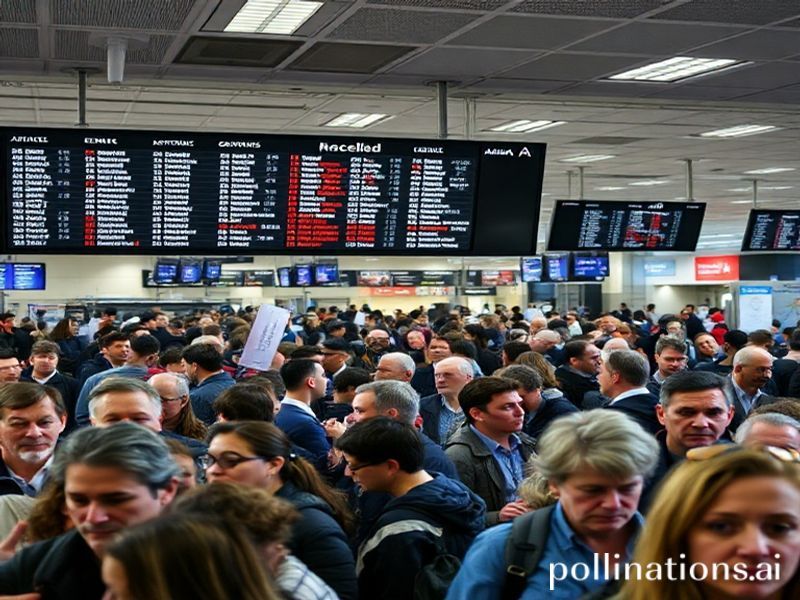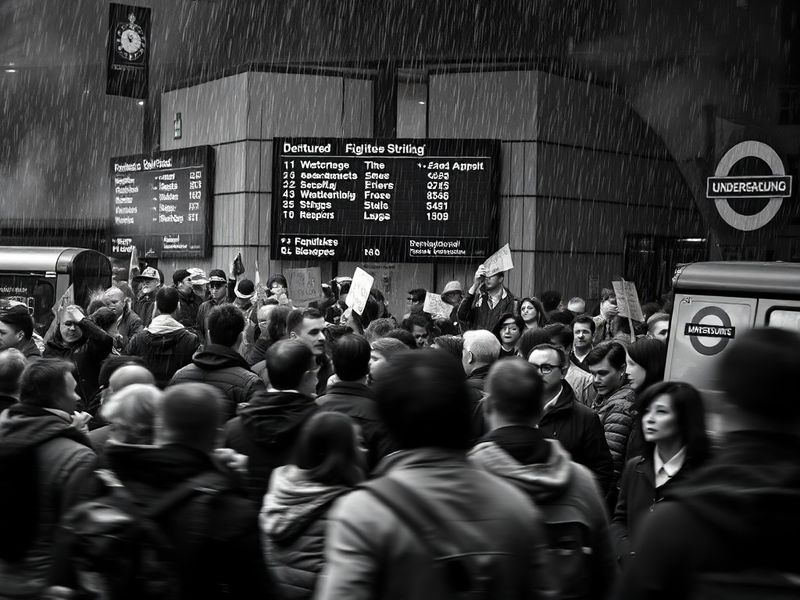
The first major London Underground strike of 2026 has already reshaped morning routines across the capital. With Transport for London (TfL) facing ongoing disputes over pay and working conditions, the transport network remains a flashpoint for industrial action. This year’s strikes, scheduled for February and March, have drawn attention not just from commuters but from economists and urban planners analyzing the long-term effects of disrupted public transport.
The strikes follow a pattern established in previous years, but 2026 has introduced new variables. Inflation remains stubbornly high, and TfL’s financial recovery from pandemic losses has been slower than expected. Meanwhile, hybrid working trends continue to reshape demand, leaving the authority caught between rising costs and shifting ridership patterns.
Why the Strikes Are Happening
The immediate trigger for the 2026 strikes is the breakdown of negotiations between TfL and the unions representing underground staff. Key issues include:
- Pay disputes: Workers are demanding wage increases above the current inflation rate of 4.2%, citing the rising cost of living in London.
- Pension concerns: Changes to pension contributions have raised fears among staff about long-term financial security.
- Staffing shortages: Recruitment challenges have left some lines operating with skeleton crews, exacerbating tensions.
- Working conditions: After years of service disruptions, unions argue that improved conditions are necessary to retain staff.
These demands are not unique to TfL. Across the UK, public sector unions have been pushing for better compensation amid economic uncertainty. However, the stakes are particularly high in London, where the Underground is the backbone of daily life for millions.
Impact on Commuters and the City
The practical consequences of the strikes extend far beyond delayed journeys. In 2025, TfL estimated that each strike day cost the London economy £50–70 million due to lost productivity. While remote work has reduced peak-hour demand, the Underground remains critical for essential workers, healthcare staff, and service industry employees who cannot avoid the city.
Commuters have responded in predictable but resourceful ways:
- Many have shifted to cycling, with Santander Cycles usage up 25% on strike days.
- Bus routes have become overcrowded, leading to longer wait times and slower journeys.
- Some have turned to ride-sharing apps, though surge pricing often makes this an expensive alternative.
- Flexible working arrangements have been revived, with employers encouraging staggered start times.
Beyond the immediate inconvenience, economists warn of broader implications. London’s status as a global financial hub depends on reliable transport. Prolonged disruptions could deter investment, particularly from firms that rely on face-to-face collaboration. The strikes also highlight the city’s over-reliance on a single transport network, raising questions about the need for diversification.
Long-Term Consequences for London’s Transport System
The 2026 strikes may accelerate long-standing debates about the future of London’s transport. Critics argue that TfL’s funding model is unsustainable, relying too heavily on fare revenue and government subsidies. Others point to the need for investment in automation and digital ticketing to reduce operational costs.
One potential outcome is a greater emphasis on regional rail services, particularly the Elizabeth Line, which has already relieved pressure on the Central and Jubilee lines. Expanding cross-London rail links could provide a viable alternative, though this would require significant infrastructure spending.
There is also growing pressure on TfL to address staffing issues proactively. The authority has launched recruitment campaigns and offered signing bonuses, but retention remains a challenge. Some unions have floated the idea of a “London Living Wage” for transport workers, arguing that competitive pay is essential to maintain service quality.
What Comes Next?
As of March 2026, the strikes have entered their third week, with no resolution in sight. TfL has implemented contingency plans, including increased bus services and temporary free travel on buses for Underground ticket holders. However, these measures have done little to placate commuters or unions.
The government’s role remains pivotal. Transport Secretary Angela Rayner has called for renewed negotiations, but her influence is limited by the broader economic climate. Meanwhile, London Mayor Sadiq Khan has reiterated his support for TfL’s funding package, though he faces pressure from both unions and fiscal conservatives.
For now, Londoners are adapting. Some have discovered the benefits of off-peak travel, while others are exploring hybrid work arrangements more permanently. Yet the strikes serve as a reminder of the city’s fragility—a densely populated metropolis dependent on a finely balanced transport system.
The question is whether 2026 will be a turning point or just another chapter in London’s ongoing transport saga. One thing is certain: the outcome will shape the capital’s economic resilience and quality of life for years to come.
For more analysis on urban transport issues, visit our News and Analysis sections.