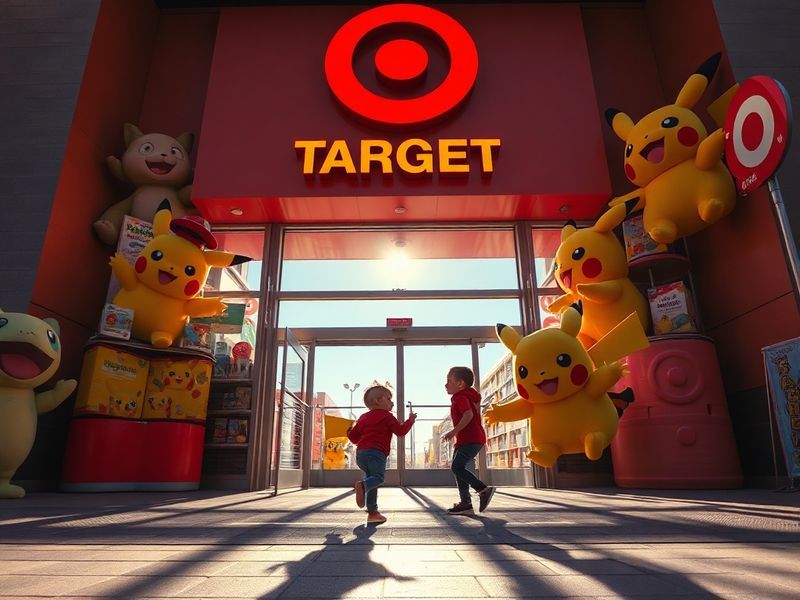
The retail landscape shifted when Target unveiled its first major Pokémon collaboration in 2022. What began as a seasonal promotion evolved into a cultural touchstone for collectors, gamers, and families alike. This partnership didn’t just fill shelves; it redefined how mass retailers engage with niche fandoms.
The synergy between Target’s accessibility and Pokémon’s global appeal created something unexpected: a mainstream phenomenon that turned aisles into treasure hunts. Unlike traditional licensed partnerships that rely on licensing fees alone, this collaboration leveraged Target’s supply chain to deliver consistent, high-quality merchandise at scale.
The Strategy Behind the Success
Target’s approach to the Pokémon collab was methodical. Rather than a one-off collection, it structured releases across multiple seasons, ensuring steady demand. Each drop included exclusive items unavailable elsewhere, from plush toys to apparel and home goods. The strategy mirrored the “limited edition” approach of high-end collectibles but within a retail environment.
Key elements of their strategy included:
- Seasonal drops: Aligning releases with school breaks and holidays when consumer spending peaks.
- Store-wide integration: Pokémon branding appeared beyond toys, influencing grocery aisles, apparel, and even pharmacy sections.
- Digital synergy: Target’s app and website featured real-time inventory tracking, a feature rarely offered in such collaborations.
- Community engagement: In-store events and social media campaigns fostered a sense of belonging among fans.
This wasn’t just a merchandise push—it was a masterclass in experiential retail. Shoppers didn’t just buy products; they participated in a cultural moment. The result? Lines around blocks, sold-out items within hours, and secondary market prices far exceeding retail value.
Broader Implications for Retail and Fandoms
The Target Pokémon collab proved that mainstream retailers could successfully tap into niche fandoms without alienating their core audience. It shattered the assumption that collectibles belonged solely in specialty stores or conventions. Instead, Target demonstrated how a mass-market platform could elevate the collectibles industry.
Industry analysts noted several long-term effects:
- Retail as entertainment: Stores transformed into destinations where shopping became an event. This shift pressured competitors to rethink in-store experiences.
- Fandom democratization: High entry costs (like convention tickets) no longer limited access to exclusive items. Target’s affordability made Pokémon merchandise accessible to a broader demographic.
- Supply chain innovation: The collab forced retailers to optimize inventory management for unpredictable demand spikes—a challenge many had previously avoided.
- Brand loyalty redefined: Target’s foray into fandoms showed that retailers could build emotional connections beyond price points and convenience.
For fandoms, the implications were equally significant. The collab legitimized collectibles as a mainstream retail category, paving the way for other licensing deals. Brands like Funko and LEGO soon followed with their own mass-market collaborations, further blurring the lines between niche and mainstream.
What’s Next for Target and Pokémon?
With two years of successful collaborations under their belts, speculation about the future of this partnership is inevitable. Industry insiders suggest several potential directions:
- Augmented reality integration: Imagine scanning a Pokémon product in-store to unlock digital content or games.
- Sustainability focus: Eco-friendly packaging or recyclable merchandise could appeal to environmentally conscious consumers.
- Global expansion: While the collab began in the U.S., international markets present untapped potential.
- Gaming crossover: Could Target host Pokémon TCG tournaments or video game demo days in stores?
For now, fans eagerly await the next drop, armed with budgets, checklists, and—most importantly—the knowledge that Target’s collabs deliver more than just products. They deliver experiences.
A Lasting Impact on Collectibles Culture
The Target Pokémon collab wasn’t just a retail experiment; it was a cultural reset. It proved that collectibles could thrive outside traditional channels, that mainstream retailers could embrace niche communities, and that exclusivity didn’t require scarcity—it required strategy.
As other brands take note, the lessons from this partnership will likely echo across retail for years to come. For collectors, gamers, and families, the collab offered something rare: a moment where everyone could belong to the same story.
The shelves may empty, but the impact remains. Target didn’t just sell Pokémon products—it sold a feeling. And that’s a legacy even Pikachu would approve of.
For more on collectibles and retail trends, explore our Trending and Analysis sections.