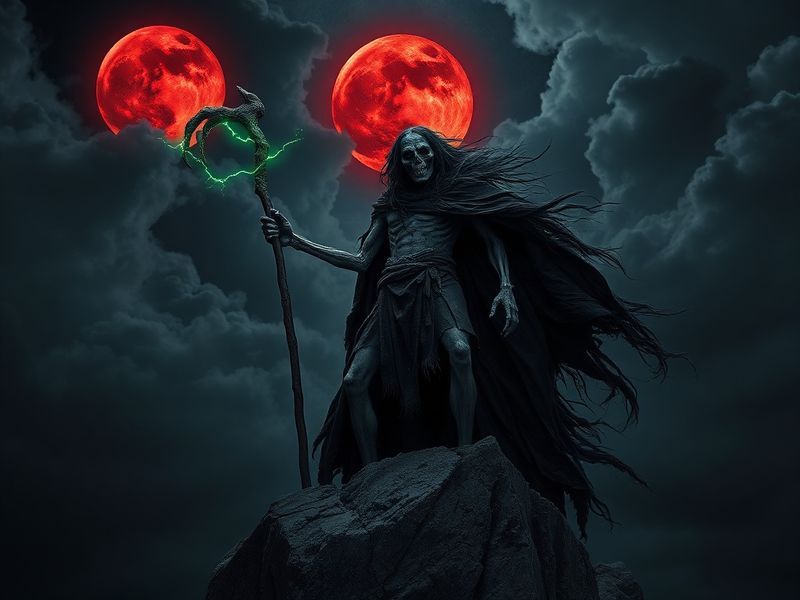
The figure of the dark wizard occupies a unique space in global mythology, folklore, and modern pop culture. Unlike benevolent sorcerers, these characters embody chaos, forbidden knowledge, and moral ambiguity. Their stories serve as cautionary tales, warnings against hubris and the pursuit of power at any cost. Yet, their enduring appeal lies in their complexity—the way they challenge our perceptions of good and evil.
From ancient grimoires to blockbuster films, the dark wizard has evolved, but certain themes remain consistent. They are often depicted as isolated figures, shunned by society, yet wielding immense influence. Their magic is rarely an end in itself but a means to reshape the world—or destroy it. This duality makes them fascinating subjects of study across disciplines, from literature to psychology.
The Roots of the Dark Wizard in Folklore and Literature
The archetype of the dark wizard can be traced back to some of the earliest written stories. In Mesopotamian mythology, figures like the goddess Lamashtu embodied malevolent magic, while in Greek lore, sorcerers such as Circe and Medea used their powers for manipulation and vengeance. These early narratives established the dark wizard as a symbol of danger, someone who could corrupt not just individuals but entire communities.
Medieval European grimoires, such as the Ars Goetia, further cemented the dark wizard’s place in cultural consciousness. These texts, often attributed to demonic pacts, portrayed magic as a perilous path, one that led to damnation. The figure of Faust, immortalized in Goethe’s tragedy, epitomizes this tradition—a scholar who trades his soul for forbidden knowledge, only to be betrayed by the forces he unleashed.
Shakespeare’s Macbeth and The Tempest also explored dark magic through characters like the Weird Sisters and Prospero. While Prospero’s magic is ultimately redemptive, the Weird Sisters represent chaos incarnate, their prophecies driving the play’s tragic trajectory. These literary examples demonstrate how dark wizards often serve as catalysts for larger themes: fate versus free will, the corrupting nature of power, and the limits of human ambition.
Key Characteristics of the Dark Wizard
Across different cultures and eras, several traits recur in portrayals of dark wizards:
- Isolation: They are often solitary figures, cut off from society either by choice or circumstance. This isolation reinforces their otherness and makes their actions more unsettling.
- Forbidden Knowledge: Their power stems from secrets—ancient texts, lost rituals, or pacts with entities beyond human understanding. This knowledge is both a tool and a curse.
- Moral Ambiguity: Unlike pure villains, dark wizards often operate in gray areas. They may have noble intentions but justify horrific means, or they may revel in destruction without remorse.
- Symbolic Defeat: In stories, their downfall is rarely random. It often stems from their own flaws—pride, greed, or an inability to recognize their limitations.
These characteristics make the dark wizard a versatile narrative device. They can represent the dangers of unchecked ambition, the allure of the unknown, or the consequences of rejecting societal norms.
The Dark Wizard in Modern Media: Reinvention and Relevance
The 20th and 21st centuries have seen the dark wizard evolve from a folkloric cautionary figure to a multifaceted character in books, films, and video games. This transformation reflects changing societal attitudes toward power, authority, and the supernatural. Modern portrayals often humanize dark wizards, exploring their backstories and motivations in ways that challenge traditional binaries of good and evil.
J.K. Rowling’s Harry Potter series, for instance, introduced Voldemort, a dark wizard whose origins as an orphan and his fear of death drive his descent into tyranny. Rowling’s work subverts the trope by framing Voldemort’s evil as a product of trauma, albeit one that he fails to overcome. This approach invites readers to consider whether dark wizards are born or made—a question that resonates in today’s discussions about nature versus nurture.
In George R.R. Martin’s A Song of Ice and Fire series, dark magic is more ambiguous. Characters like Melisandre and the Night King wield powers that are neither inherently good nor evil but exist in a world where morality is fluid. This ambiguity aligns with modern storytelling trends that reject simplistic villainy in favor of nuanced antagonists.
The Dark Wizard as a Metaphor for Real-World Fears
Beyond entertainment, the dark wizard often serves as a metaphor for real-world anxieties. During the Cold War, figures like Dr. Strangelove embodied fears of unchecked technological and ideological power. In the digital age, dark wizards can be seen in the form of hackers or rogue AI developers, individuals who manipulate systems beyond the comprehension of the average person.
Even in corporate and political spheres, the dark wizard archetype appears. Leaders who prioritize profit over people or who manipulate public opinion through misinformation can be seen as modern iterations of the dark sorcerer. Their “magic” is not spells and incantations but data, algorithms, and psychological tactics designed to control rather than empower.
This metaphorical role explains why the dark wizard persists in stories. It allows societies to externalize and confront their deepest fears about power, knowledge, and the unknown. By personifying these fears, we gain a framework for discussing them in safer, more digestible terms.
The Psychology Behind the Dark Wizard: Why We Are Drawn to Them
The enduring appeal of the dark wizard isn’t just a product of storytelling; it’s rooted in psychology. Humans are naturally drawn to figures who operate outside societal constraints, even if their actions are morally questionable. The dark wizard represents the id unleashed—the part of us that craves power, freedom, and the thrill of transgression.
Sigmund Freud’s theories on the unconscious mind and Carl Jung’s concept of the shadow self offer frameworks for understanding this fascination. The shadow self includes the repressed desires, fears, and impulses we deny in ourselves. Dark wizards, in many ways, embody these shadow aspects. They give form to the chaos within, making it easier for us to confront and process these feelings.
Additionally, the dark wizard often serves as a cautionary figure, reminding us of the consequences of unchecked ambition. Their stories function as modern morality plays, where the audience learns through their failures. This aspect is particularly relevant in an era where success is often measured by power and influence, regardless of the cost.
Dark Wizards and the Appeal of the Anti-Hero
In recent years, the line between hero and villain has blurred, giving rise to the anti-hero—a protagonist who lacks conventional morality but still drives the narrative. Dark wizards frequently fall into this category. Characters like Saruman from The Lord of the Rings or Magneto from X-Men begin as allies but become antagonists due to their rigid ideologies or belief that the ends justify the means.
This shift reflects a broader cultural trend toward questioning traditional heroism. In a world where institutions and leaders are often seen as corrupt or ineffective, audiences gravitate toward characters who operate outside the system, even if their methods are extreme. The dark wizard, with their blend of intelligence, charisma, and moral flexibility, fits this mold perfectly.
However, this appeal comes with a caveat. The romanticization of dark wizards can be dangerous, particularly when it glorifies toxic behaviors or justifies harmful ideologies. Stories that humanize dark wizards must balance their complexity with clear consequences, ensuring that audiences understand the risks of their actions.
Conclusion: The Dark Wizard’s Enduring Legacy
The dark wizard is more than a fantastical villain; it’s a mirror held up to society, reflecting our fears, desires, and moral dilemmas. From ancient myths to modern blockbusters, this archetype has been reinvented countless times, yet its core remains unchanged: a figure who wields forbidden power, challenges the status quo, and ultimately faces the consequences of their choices.
In an era where information is power and technology blurs the lines between reality and fiction, the dark wizard’s relevance has only grown. Whether as a cautionary tale or a complex anti-hero, their stories remind us to question the sources of our power and the price of our ambitions. As long as humanity grapples with the balance between control and chaos, the dark wizard will remain a compelling and necessary figure in our cultural landscape.
For further exploration of the supernatural and its cultural impact, visit our Trending and Culture sections.