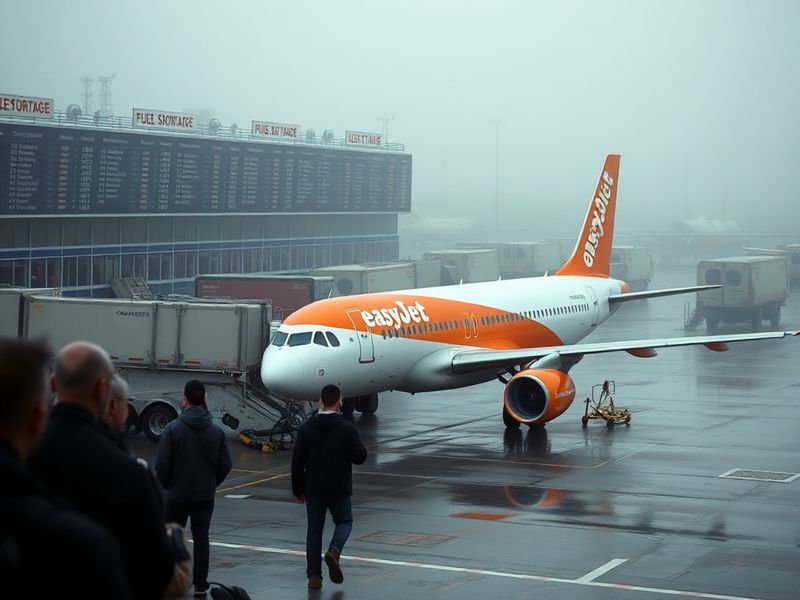
EasyJet Fuel Shortage: Summer Travel Disruptions and What to Do
“`html
EasyJet Fuel Shortage Disrupts Summer Travel Plans
EasyJet passengers face mounting disruptions this summer as a growing fuel shortage creates a ripple effect through the airline’s operations. The low-cost carrier, which operates over 1,000 routes across Europe and beyond, has seen an increasing number of cancellations and delays since late spring. While fuel shortages are not uncommon in the aviation industry, the current situation has been exacerbated by global supply chain strains and geopolitical tensions that have driven up costs and limited availability.
The crisis comes at a critical time for the airline, which had planned to capitalize on the peak summer travel season to recover from pandemic-era losses. Instead, travelers are left grappling with uncertainty, and EasyJet’s reputation for reliability has come under scrutiny. Industry analysts warn that the situation could persist for months, forcing passengers to rethink their summer vacations and the airline to re-examine its operational strategies.
How the Fuel Shortage Affects EasyJet’s Operations
The immediate impact of the fuel shortage is visible in EasyJet’s flight schedules. According to the airline’s latest operational updates, cancellations have surged by 30% compared to the same period last year. Many of the affected flights are short-haul routes within Europe, where fuel costs represent a higher percentage of operating expenses. While EasyJet has historically maintained a lean business model to keep prices low, rising fuel prices have squeezed its margins, leading to tough decisions about which flights to prioritize.
A spokesperson for EasyJet confirmed that the airline is working closely with suppliers to secure fuel, but warned that “supply constraints in certain regions” may lead to further disruptions. The company has also implemented a tiered cancellation policy, prioritizing flights with the highest passenger loads. However, this approach has left some travelers stranded, particularly those booked on less popular routes or last-minute bookings.
For passengers, the consequences are clear: expect delays, last-minute changes, or outright cancellations. The airline has encouraged travelers to check their flights regularly and sign up for notifications, but even that may not be enough to avoid the chaos. Below is a breakdown of the most affected routes and the typical delays passengers can expect:
- London Gatwick to Amsterdam: Average delay of 2-3 hours, with 15% of flights canceled in the past month.
- Manchester to Barcelona: Delays up to 4 hours, with a 20% cancellation rate.
- Berlin to Paris: Frequent delays of 3-5 hours, and sporadic cancellations.
- Lisbon to Porto: One of the most reliable routes, but still experiencing 10% delays.
The Root Causes Behind the Crisis
The fuel shortage affecting EasyJet is not an isolated incident but part of a broader trend impacting airlines worldwide. Several key factors have converged to create this perfect storm:
- Geopolitical Tensions: The ongoing conflict in Ukraine has disrupted global oil supplies, particularly in Europe, which relies heavily on Russian imports. Sanctions and retaliatory measures have tightened the market, driving up prices and reducing availability.
- Refinery Capacity Issues: Many European refineries have struggled to ramp up production post-pandemic, leading to bottlenecks in fuel distribution. Maintenance shutdowns and labor shortages have further exacerbated the problem.
- Increased Demand: As travel demand rebounds to pre-pandemic levels, airlines are competing for the same limited fuel resources. This has created a seller’s market, where suppliers can dictate terms to cash-strapped carriers.
- Regulatory Pressures: Stricter environmental regulations in the EU have pushed airlines to invest in sustainable aviation fuels (SAFs), but supply chains for these alternatives are still in their infancy. EasyJet has committed to using 10% SAF by 2030, but the current shortage makes this goal harder to achieve.
Industry experts point out that EasyJet’s predicament is particularly acute because of its business model. Unlike legacy carriers that often hedge fuel prices years in advance, EasyJet relies on a more dynamic approach to procurement. This leaves it vulnerable to sudden price spikes and supply shortages. Additionally, the airline’s decision to focus on short-haul flights, which are more sensitive to fuel costs, amplifies the impact of any disruption.
Analysts at Dave’s Locker Travel suggest that the crisis could accelerate consolidation in the low-cost airline sector. Smaller carriers may struggle to weather the storm, leading to potential mergers or acquisitions. Meanwhile, passengers may see a shift toward more flexible booking policies, as airlines seek to mitigate the risk of future disruptions.
What Travelers Can Do to Minimize Disruptions
For those planning to fly with EasyJet this summer, preparation is key. The airline has outlined several steps passengers can take to reduce the risk of being caught off guard by cancellations or delays:
- Check Your Flight Status Regularly: EasyJet updates its schedule frequently, and last-minute changes are common. Enable push notifications in the EasyJet app to stay informed.
- Consider Alternative Travel Dates: If your travel plans are flexible, avoid peak travel days (Fridays and Sundays) when demand—and fuel shortages—are highest.
- Re-book Instead of Canceling: If your flight is canceled, EasyJet may offer rebooking options on alternative flights. This is often the best way to minimize disruption.
- Explore Insurance Options: Travel insurance that covers trip cancellations or delays due to fuel shortages can provide peace of mind. Check the fine print, as some policies exclude “force majeure” events like fuel shortages.
- Look for Refunds or Compensation: Under EU regulations, passengers may be entitled to compensation for canceled flights if the disruption is within EasyJet’s control. However, if the cancellation is due to external factors (e.g., fuel shortages), compensation may not apply.
Travelers should also consider diversifying their itinerary. For example, booking a mix of EasyJet and other airlines (even if it means paying slightly more) can reduce the risk of being stranded. Alternatively, exploring overland travel options, such as trains or buses, may be a viable alternative for shorter routes within Europe.
The Long-Term Implications for EasyJet and the Aviation Industry
The fuel shortage is forcing EasyJet to rethink its long-term strategy. In a recent earnings call, CEO Johan Lundgren acknowledged that the crisis “highlights the need for greater resilience in our supply chain.” The airline is reportedly exploring partnerships with fuel suppliers to secure long-term contracts, as well as investing in more fuel-efficient aircraft to reduce its dependence on traditional jet fuel.
However, these changes will take time to implement. In the short term, EasyJet may need to raise ticket prices to offset the higher fuel costs, a move that could alienate its budget-conscious customer base. Alternatively, the airline could reduce its flight schedule further, focusing only on the most profitable routes.
The broader aviation industry is also at a crossroads. The fuel shortage has exposed the fragility of global supply chains and the need for diversification. Airlines are increasingly looking toward sustainable aviation fuels and electric aircraft as potential solutions, but these technologies are not yet scalable. In the meantime, the industry must adapt to a reality where fuel shortages and price volatility are the new normal.
For passengers, the message is clear: flexibility and preparation are essential. While the current crisis is temporary, it serves as a reminder of the vulnerabilities in modern air travel. As EasyJet and other airlines navigate this challenging period, travelers must stay informed and proactive to avoid being caught in the turbulence.
For more insights into how travel disruptions are shaping the industry, visit our News section. There, you’ll find analysis on how airlines are adapting to fuel shortages and other challenges.
In the end, the fuel shortage is more than just a logistical headache—it’s a test of resilience for both the airline and its customers. How EasyJet responds to this crisis could redefine its future, and how travelers approach their summer plans may set a new standard for flexibility in an unpredictable world.