Flamengo’s Brazilian Powerhouse Meets Independiente Medellín’s Colombian Grit
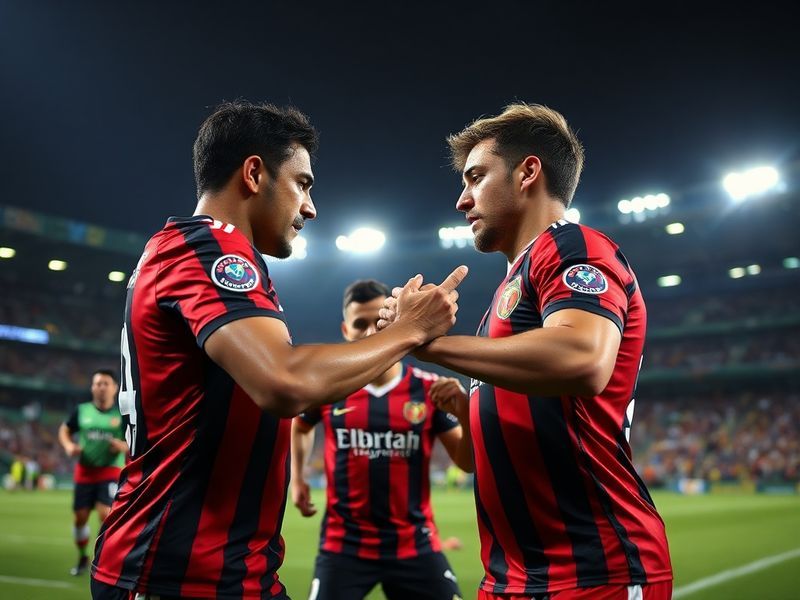
The matchup between Clube de Regatas do Flamengo and Independiente Medellín in the Copa Libertadores wasn’t just another fixture in South America’s premier club competition. It was a collision of contrasting philosophies, tactics, and ambitions. Flamengo, Brazil’s most popular club and a global brand, entered the game as defending champions with a squad brimming with star power. Independiente Medellín, on the other hand, arrived as Colombia’s passionate underdog, a team that punches above its weight with tactical discipline and relentless pressing.
The clash in the Libertadores group stage revealed more than just individual brilliance. It highlighted how South American football continues to evolve, where tradition and innovation collide in high-stakes encounters. Flamengo’s fluid, possession-heavy style under Tite’s successor clashed with Medellín’s structured, counter-attacking approach, creating a tactical chess match that kept fans on the edge of their seats.
Tactical Breakdown: Two Philosophies Collide
Flamengo’s game plan revolved around dominating possession and exploiting spaces with quick transitions. Their midfield, anchored by players like Arturo Vidal and Giorgian de Arrascaeta, dictated the tempo, while forwards Pedro and Bruno Henrique posed constant threats in behind. Medellín, however, set up in a compact 4-4-2, prioritizing defensive solidity before launching rapid attacks through their wingers and lone striker.
The contrast was stark. While Flamengo averaged 62% possession in their group-stage matches, Medellín often sat deep, inviting pressure before striking on the break. In their first meeting, the Colombians frustrated Flamengo for stretches, even taking the lead through an early goal. Only a late Flamengo surge secured a draw, underscoring Medellín’s resilience.
Key tactical takeaways from the fixture included:
- Flamengo’s high press: The Brazilian side pressed aggressively in midfield, forcing Medellín into hurried clearances and turnovers. Their front three harried the opposition defenders relentlessly.
- Medellín’s low block: By sitting deep, the Colombian side absorbed pressure before exploiting spaces with quick vertical passes. Their wingers, like Daniel Cataño, caused problems with their direct dribbling.
- Set-piece threats: Both teams posed dangers from dead-ball situations, with Flamengo’s tall defenders and Medellín’s well-drilled routines creating chances.
- Midfield battle: Vidal’s ability to break up play contrasted with Medellín’s midfield enforcer, Jefferson Gómez, who shielded the defense effectively.
Star Power and Squad Depth: What the Teams Bring to the Table
Flamengo’s squad depth remains one of the deepest in South America. With talents like Arrás, Pedro, and Erick Pulgar, they can rotate seamlessly without losing quality. Their financial power allows them to retain stars, unlike many South American clubs that see their best players poached by European clubs. Medellín, meanwhile, operates on a tighter budget, relying on homegrown talent and shrewd recruitment.
The Brazilian side’s global appeal is undeniable. Flamengo’s social media following dwarfs most clubs in the continent, and their commercial revenue streams provide a financial cushion that few can match. Medellín, though smaller in stature, commands fierce loyalty from their fanbase, known as Los Rojos del Valle de Aburrá. Their stadium, Atanasio Girardot, is a cauldron of noise, especially when the team defies the odds.
Player-wise, Flamengo’s strength lies in their individual quality. The likes of David Luiz and Gabigol bring World Cup-winning pedigree, while Medellín’s standout, midfielder Andrés Cadavid, has emerged as a key playmaker. The contrast in resources and global profiles sets the stage for an intriguing dynamic—one where raw talent meets tactical nous.
Broader Implications: What This Matchup Says About South American Football
Beyond the on-field action, the Flamengo vs. Medellín encounter reflects broader trends in South American football. Clubs like Flamengo are increasingly becoming global brands, leveraging their massive fanbases to secure lucrative sponsorships and broadcast deals. Their success in the Libertadores has elevated the status of Brazilian football, drawing comparisons to Europe’s elite.
Medellín, on the other hand, represents the gritty, resourceful side of South American football. Their ability to compete against wealthier opponents is a testament to tactical organization and squad cohesion. In an era where financial disparities often dictate results, Medellín’s approach offers a blueprint for smaller clubs aspiring to punch above their weight.
The fixture also highlights the growing competitiveness of Colombian football. Once overshadowed by Brazil and Argentina, Colombian clubs like Medellín, Nacional, and América de Cali have reasserted themselves in continental competitions. Their resurgence is partly due to improved youth development and tactical evolution, making them formidable opponents for even the continent’s heavyweights.
Looking Ahead: What’s Next for Both Teams?
For Flamengo, the priority remains consistency in the Libertadores. While they boast a talented squad, their recent performances have been inconsistent, raising questions about their title ambitions. The draw against Medellín, though not a loss, exposed vulnerabilities in their defense and midfield transitions. If they are to retain their crown, they’ll need to tighten their defensive shape and rediscover their killer instinct in front of goal.
Medellín, meanwhile, will look to build on their strong group-stage showing. Their next challenge will be testing themselves against other South American giants, where their tactical discipline will be scrutinized. If they can replicate their performance against Flamengo, they could emerge as dark horses in the knockout stages, capable of upsetting even the biggest names.
The broader implication for South American football is clear: the gap between the traditional powerhouses and the emerging challengers is narrowing. Clubs like Medellín are no longer content to be mere participants; they’re aspiring to be contenders. And with Flamengo leading the way for Brazilian clubs, the stage is set for a new era of competitive balance in the continent’s premier club competition.
As the Copa Libertadores progresses, the lessons from Flamengo vs. Medellín will resonate across the tournament. It’s a reminder that football isn’t just about star power or financial muscle—it’s about tactics, heart, and the will to compete. And in a continent where anything can happen, that’s what makes it so compelling.
For more analysis on South American football, visit Dave’s Locker News.
Explore tactical breakdowns and team profiles in the Analysis section.