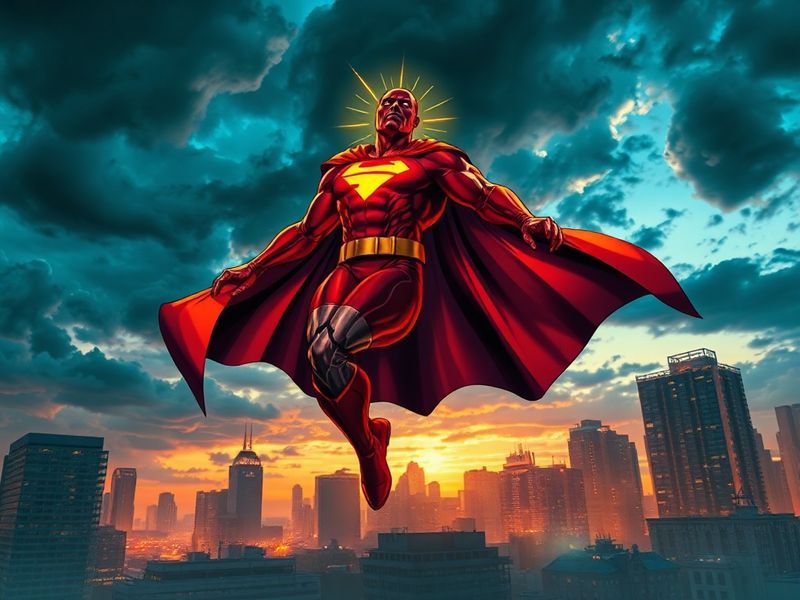
Invincible Comics: How a Niche Series Became a Global Superhero Sensation
“`html
Invincible Comics: The Global Rise of a Superhero Phenomenon
The Invincible comics series has quietly become one of the most influential works in modern superhero storytelling. Created by Robert Kirkman and Cory Walker, with later contributions from Ryan Ottley, the franchise began as a creator-owned comic in 2003. Unlike many superhero narratives that revolve around established icons, Invincible charted its own course by introducing Mark Grayson, a teenager who inherits superpowers from his father, Nolan Grayson—better known as Omni-Man.
What started as a niche comic series has since expanded into an animated series on Amazon Prime Video, a growing line of spin-offs, and a dedicated fanbase across multiple continents. Its success reflects broader trends in how superhero stories are consumed globally, blending traditional comic book appeal with modern digital distribution.
The Origins and Evolution of Invincible
Robert Kirkman, already known for The Walking Dead, launched Invincible through Image Comics, a publisher that champions creator-owned properties. The series distinguished itself by avoiding the typical superhero tropes of the time. Mark Grayson’s journey from ordinary teenager to reluctant hero unfolded with a level of emotional depth and moral ambiguity rarely seen in mainstream comics.
Early issues focused on Mark’s struggles with identity, responsibility, and the legacy of his father. Nolan Grayson’s revelation as a Viltrumite—a race of militaristic super-beings—shattered Mark’s perception of heroism. This narrative twist set the tone for the series, emphasizing consequence over spectacle. Kirkman and his collaborators built a world where heroism came with real costs, a theme that resonated deeply with readers.
Key Milestones in the Invincible Timeline
- 2003: First issue of Invincible released under Image Comics.
- 2005-2018: Ongoing series runs for 144 issues, concluding with a final battle against the Viltrumite Empire.
- 2021: Amazon Prime Video releases the first season of the animated adaptation, produced by Simon Racioppa and David F. Sandberg.
- 2023: The animated series is renewed for a sixth season, with Kirkman confirming the story will conclude by 2025.
- 2024: Multiple spin-off comics, including Invincible Presents: Atom Eve and Invincible Universe, expand the lore.
The transition from page to screen proved pivotal. While superhero adaptations often struggle to balance tone, the animated series captured the raw emotional core of the comics. Its use of mature themes and unflinching violence—rare in animated shows—helped it stand out in a crowded market.
Global Reception and Cultural Impact
Invincible has found audiences far beyond its American roots. The animated series, in particular, has been embraced in Europe, Latin America, and Asia, where superhero content is often dominated by Marvel and DC. Its international appeal lies in its universal themes: family, duty, and the burden of legacy. These themes transcend cultural boundaries, making Invincible accessible to a diverse global audience.
In Japan, where superhero narratives often emphasize honor and tradition, the Viltrumite storyline resonated with readers familiar with themes of destiny and martial prowess. In Europe, critics praised the series for its deconstruction of superhero tropes, comparing it to works like Watchmen but with a more personal focus. Meanwhile, in Latin America, the show’s availability on Amazon Prime made it a viral sensation, with fan communities creating subtitled versions long before official translations.
Why Invincible Resonates Across Cultures
- Emotional Authenticity: Unlike many superhero stories, Invincible prioritizes character development over action set pieces. Mark Grayson’s growth feels real, making his struggles relatable regardless of cultural background.
- Moral Complexity: The series avoids simplistic hero-villain dynamics. Characters like Omni-Man challenge the audience’s perception of morality, a theme that appeals to audiences familiar with ambiguous storytelling in Japanese manga or European graphic novels.
- Accessibility: The animated adaptation’s vibrant visuals and straightforward narrative make it approachable for younger viewers, while its mature themes ensure it doesn’t alienate adult audiences.
- Community Engagement: Online forums and fan art have fostered a global community. Platforms like Reddit and Discord host discussions in multiple languages, with fans creating memes, theories, and even cosplay based on the series.
The series has also influenced other creators. Indie comics and web series increasingly adopt the “deconstructive superhero” approach pioneered by Invincible. Its success has proven that there’s a hungry audience for stories that subvert expectations, leading to a wave of similar projects on platforms like Kickstarter and Webtoon.
The Business of Invincible: From Comics to Multimedia Empire
The financial success of Invincible reflects the evolving comic book industry. While traditional comic sales remain important, the franchise’s expansion into animation has unlocked new revenue streams. Amazon’s investment in the animated series paid off, with viewership numbers rivaling major studio productions. The show’s popularity has driven sales of the original comics, which now boast over 10 million copies in print.
Merchandising has also played a role. Figures, apparel, and collectibles have become staples in comic shops and online marketplaces. The franchise’s crossover appeal has led to collaborations with other brands, including Entertainment Weekly, which featured Invincible in its “Best Comics of the 21st Century” list.
Challenges and Controversies
Despite its success, Invincible has faced challenges. The animated series sparked debates about its violent content, with some critics questioning its suitability for younger viewers. However, the show’s creators defended its tone, arguing that it accurately reflected the source material’s mature themes. Additionally, the rapid expansion of the Invincible universe has raised concerns about over-saturation, though Kirkman has emphasized a commitment to maintaining quality over quantity.
The franchise’s global growth has also highlighted disparities in comic book markets. While Invincible thrives in digital formats, traditional comic shops in some regions struggle to stock international titles. This has led to a push for more localized distribution deals, ensuring fans worldwide can access the content legally and affordably.
The Future of Invincible
With the animated series nearing its conclusion, the future of Invincible looks both exciting and uncertain. Kirkman has hinted at a potential live-action adaptation, though no official announcements have been made. Spin-offs will continue to explore the expanded universe, with new characters like Atom Eve and Battle Beast taking center stage.
The franchise’s legacy, however, is already secure. Invincible has proven that superhero stories can evolve beyond the confines of established universes. Its blend of emotional depth, moral complexity, and global appeal has set a new standard for the genre. As comic book culture continues to grow worldwide, Invincible stands as a testament to the power of original storytelling.
For fans old and new, the journey of Mark Grayson is far from over. Whether through comics, animation, or future adaptations, the legacy of Invincible will continue to inspire generations of readers and viewers.