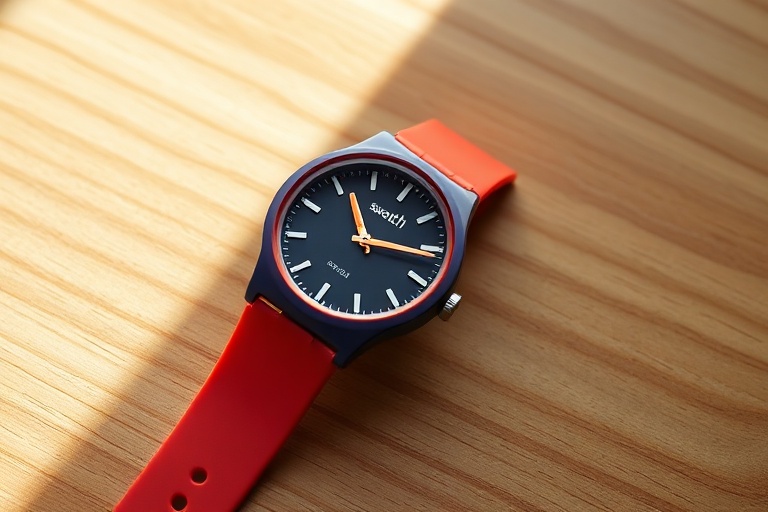
Swatch Watch: The Plastic Timepiece That Changed Fashion Forever
The Swatch watch didn’t just enter the market—it exploded onto it in 1983 with a mission: to make timekeeping stylish, accessible, and fun. Born from the Swiss watchmaking crisis, this brightly colored, plastic-cased timepiece didn’t just revive an industry; it redefined what a watch could be. More than four decades later, Swatch remains a cultural icon, bridging generations, trends, and continents with its signature blend of innovation and irreverence.
What began as a bold experiment in Swiss horology has since grown into a global phenomenon, influencing everything from streetwear to high fashion. Its story is one of resilience, creativity, and the power of branding in a fast-moving world. Let’s explore how Swatch transformed from a scrappy underdog into a timeless symbol of style and how it continues to shape the pulse of global fashion today.
A Swiss Revival: How Swatch Saved an Industry
In the late 1970s and early 1980s, the Swiss watch industry faced near collapse. Japanese manufacturers like Seiko and Citizen had flooded the market with affordable, quartz-powered timepieces, undercutting traditional Swiss mechanical watches. By 1983, Swiss watch exports had plummeted by nearly 50% since 1970. The industry needed a lifeline—and fast.
Enter a group of Swiss executives led by Nicolas Hayek, who proposed a radical idea: create a watch that was not only affordable but also fashionable. The result was Swatch—a contraction of “second watch” and the word “watch” itself. These weren’t just timekeepers; they were accessories, collectibles, and statements. Made from just 51 parts (compared to over 100 in traditional watches), Swatch was assembled using revolutionary automated techniques, drastically reducing production costs.
The launch was audacious. Swatch was priced to compete with fashion accessories, not luxury timepieces. Its vibrant colors, bold designs, and collectible collaborations with artists like Keith Haring and Jean-Michel Basquiat turned it into a cultural artifact. Within a few years, Swatch was selling over 100 million units annually, breathing new life into Swiss watchmaking and reshaping the global perception of what a watch could represent.
From Counterculture to Couture: Swatch’s Cultural Journey
Swatch’s ascent was no accident—it was a carefully orchestrated cultural pivot. In the 1980s and 1990s, Swatch became synonymous with youth culture, music festivals, and street style. The brand embraced pop art aesthetics and partnered with musicians, including Madonna and Run-DMC, embedding itself into the fabric of music and fashion scenes. Its limited-edition releases became must-have items, with collectors camping outside stores for new drops.
As fashion evolved, so did Swatch. It transitioned from a youthful novelty to a high-fashion player. In 2013, Swatch teamed up with luxury powerhouse Omega (also owned by the Swatch Group) to launch the Swatch x Omega collection, blending Swatch’s playful DNA with Omega’s precision engineering. This collaboration signaled a new era: Swatch was no longer just a fashion accessory—it was a statement of quality and creativity.
Today, Swatch continues to straddle multiple worlds. It releases artist-designed watches, collaborates with streetwear brands like Off-White, and even ventures into smartwatch territory with the Swatch Bellamy. Its ability to reinvent itself while staying true to its core ethos—accessible, fun, and stylish—has kept it relevant across generations.
Swatch Around the World: A Global Timepiece
Swatch’s influence isn’t confined to one region—it’s a truly global brand. In Japan, Swatch became a staple of the “kawaii” aesthetic, with pastel hues and playful designs resonating deeply in pop culture. In Europe, it’s a fixture of urban fashion, often seen on influencers and trendsetters in cities like Berlin, Paris, and Milan. In the United States, Swatch has been embraced by both hip-hop and skateboarding subcultures, further cementing its versatility.
One of Swatch’s most unique strengths is its ability to adapt to local tastes without losing its identity. For example:
- Asia: Swatch frequently releases designs inspired by anime, manga, and traditional motifs, appealing to younger demographics.
- Europe: Collaborations with artists and designers are common, reflecting the continent’s strong contemporary art scene.
- Americas: Limited-edition releases tied to music festivals and sports events (like the X Games) help Swatch stay connected to action-driven lifestyles.
This adaptability has made Swatch a favorite in diverse markets, from Tokyo’s Harajuku district to London’s Camden Town. Its presence in over 100 countries underscores its role as a universal symbol of style and self-expression.
What’s Next for Swatch? Innovation Meets Tradition
As Swatch approaches its 50th anniversary, the brand shows no signs of slowing down. Recent years have seen a resurgence in analog watches, driven by a back-to-basics movement in fashion. Swatch has capitalized on this trend by emphasizing its Swiss heritage while pushing creative boundaries. The introduction of the Swatch Big Bold line, with its oversized cases and chunky straps, caters to the maximalist tastes of Gen Z.
Additionally, Swatch has embraced sustainability. In 2021, it launched the Swatch Bioceramic collection, featuring cases made from a plant-based ceramic material. This shift aligns with growing consumer demand for eco-friendly products and positions Swatch as a leader in responsible fashion.
Looking ahead, Swatch is poised to remain a key player in the watch industry. Its recent collaborations with brands like Coca-Cola and tennis star Roger Federer demonstrate its ability to stay culturally relevant. Whether through limited-edition drops, artist partnerships, or sustainable innovations, Swatch continues to prove that a watch can be more than just a timekeeper—it can be a piece of art, a fashion statement, and a piece of history all at once.
Why Swatch Still Matters
In an era dominated by digital watches and smart technology, Swatch stands out as a reminder of the enduring appeal of analog design. It’s a brand that has successfully navigated economic crises, fashion revolutions, and generational shifts without losing its soul. For many, owning a Swatch isn’t just about telling time—it’s about expressing identity, collecting memories, and celebrating creativity.
From its humble beginnings as a Swiss lifeline to its current status as a global icon, Swatch has proven that great design transcends trends. It’s a brand that understands the power of joy, color, and individuality. As long as people crave self-expression and style, Swatch will remain a vital part of the conversation.
For those looking to dive deeper into the world of watches, explore our Fashion section for more insights, or check out our Technology category to see how traditional watchmaking meets modern innovation. Whether you’re a collector, a fashion enthusiast, or simply curious, Swatch offers a story worth watching.