The Backrooms Movie: From Internet Horror to Cinematic Reality
The Backrooms, a concept that began as a niche internet horror phenomenon, has evolved into a full-fledged multimedia franchise. With the announcement of an upcoming feature film adaptation, fans and critics alike are examining what this means for the future of online horror culture. The Backrooms started as a simple creepypasta on 4chan in 2018, describing an endless, liminal space where reality feels distorted and safety is an illusion.
The lore expanded rapidly through user-generated content, YouTube videos, and interactive experiences. Now, the transition to film represents a significant moment in how internet-born stories transition into mainstream media. The upcoming movie, produced by Atlas Entertainment and distributed by Warner Bros., aims to capture the eerie essence of the original concept while delivering a cinematic experience that appeals to both longtime fans and newcomers.
The Origins of The Backrooms: From Forum Thread to Global Phenomenon
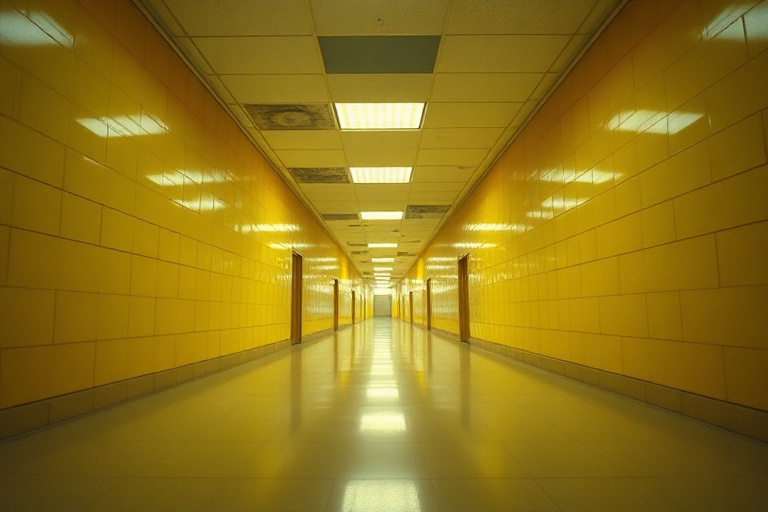
The Backrooms originated from a single 4chan post titled “I have discovered a new level of hell.” The anonymous user described a place beyond the edges of reality, filled with fluorescent lighting, yellow wallpaper, and an unsettling sense of being trapped. This post struck a chord with online communities, sparking countless discussions, fan art, and derivative stories.
Over time, the lore expanded to include multiple “levels” of the Backrooms, each with its own unique dangers and aesthetics. Some levels feature office spaces, while others resemble abandoned hospitals or industrial complexes. The mythology grew organically through collaborative storytelling, with contributors adding new details, entities, and rules. This decentralized approach to world-building is rare in modern horror, making the Backrooms a unique case study in digital storytelling.
The Backrooms’ rise to prominence was further fueled by YouTube creators who produced animated shorts, live-action recreations, and analytical breakdowns of the lore. Channels like Dave’s Locker Gaming have explored the psychological and philosophical implications of the Backrooms, examining why it resonates so deeply with audiences. The concept taps into primal fears of entrapment, the unknown, and the uncanny, making it a potent source of horror.
What to Expect from the Upcoming Film Adaptation
While details about the film remain scarce, early reports suggest that the movie will focus on a protagonist trapped in the Backrooms, struggling to navigate its ever-shifting levels. The production team has emphasized a commitment to staying true to the source material while expanding its visual and narrative scope. Given the abstract nature of the Backrooms, the challenge will be balancing horror with coherence.
Director Jeremy Slater, known for his work on The Umbrella Academy and Fantastic Four, has been attached to the project. His experience with genre-blending storytelling could prove valuable in translating the Backrooms’ surreal horror into a cinematic format. The film is expected to use practical effects alongside CGI to create an immersive, unsettling environment.
One of the most intriguing aspects of the adaptation is how it will handle the Backrooms’ lore. Given the vast and often contradictory nature of the levels, the filmmakers will need to make deliberate choices about which elements to include. Will the movie focus on a single level, or will it attempt to weave multiple layers of the Backrooms into a cohesive narrative? Fans are already speculating about the inclusion of iconic levels like Level 0 (the original “office space”) and Level 6 (a pitch-black void with only the sound of breathing).
The soundtrack will also play a crucial role in establishing the film’s atmosphere. The Backrooms rely heavily on sound design to create unease, from the hum of fluorescent lights to the distant footsteps of unseen entities. Composers will need to craft an auditory experience that complements the visuals without overpowering them.
Why The Backrooms Resonates in the Age of Digital Anxiety
The Backrooms strike a chord in an era where digital spaces often feel as disorienting as the concept itself. The COVID-19 pandemic normalized the experience of being trapped in liminal spaces—whether it was working from home, scrolling endlessly through social media, or feeling disconnected from the physical world. The Backrooms embody this feeling of being stuck in a loop, where time loses meaning and escape feels impossible.
Psychologically, the Backrooms tap into several well-documented fears. The fear of entrapment, for example, is a common theme in horror, but the Backrooms twist it by making the trap feel inescapable yet strangely mundane. The fluorescent lighting and office cubicles are familiar, yet the absence of people and the presence of subtle distortions create a sense of the uncanny. This juxtaposition of the ordinary and the horrifying is what makes the Backrooms so effective.
Another layer of appeal is the Backrooms’ emphasis on exploration and discovery. Unlike traditional horror, which often relies on jump scares or predictable tropes, the Backrooms invite the audience to engage with its mysteries. Fans enjoy theorizing about the rules of the levels, the origins of the entities, and the deeper meaning behind the concept. This interactive aspect has led to a thriving community of creators who continue to expand the lore through videos, games, and written stories.
The Backrooms also reflect broader anxieties about the digital age. The internet is often described as a vast, labyrinthine space where it’s easy to get lost. The Backrooms take this idea and amplify it into something tangible—a place where the rules of reality no longer apply. This makes the concept particularly relevant in an era where people spend increasing amounts of time online, often feeling disconnected from the physical world.
The Future of The Backrooms: Beyond the Movie
The Backrooms movie is just one chapter in what is likely to be a much larger franchise. Given the depth of the lore and the popularity of the concept, there are numerous opportunities for expansion. A potential television series could explore different levels in greater detail, while video games could offer interactive experiences that allow players to navigate the Backrooms for themselves.
There is also the possibility of a Backrooms-inspired ARG (alternate reality game), which would allow fans to engage with the lore in a more immersive way. ARGs have been used successfully in other horror franchises, such as Local 58 and Analog Horror, to create a sense of mystery and community engagement. A well-crafted ARG could deepen the connection between fans and the Backrooms universe.
However, the challenge will be maintaining the integrity of the original concept. The Backrooms thrive on ambiguity and user-generated content, which are difficult to replicate in a controlled media format. The filmmakers will need to strike a balance between delivering a satisfying narrative and preserving the open-ended, collaborative spirit of the Backrooms.
Regardless of how the movie performs, it’s clear that the Backrooms have cemented their place in internet culture. They represent a new model for horror storytelling—one that is decentralized, participatory, and deeply rooted in the anxieties of the digital age. Whether the film succeeds or stumbles, the Backrooms will continue to evolve, ensuring their legacy endures for years to come.
Key Takeaways for Fans and Creators
- The Backrooms began as a 4chan post in 2018 and evolved into a sprawling multimedia franchise.
- The upcoming film will need to balance the surreal horror of the original concept with cinematic storytelling.
- The Backrooms resonate due to their psychological depth and reflection of modern digital anxieties.
- Future adaptations could include TV series, video games, and ARGs, but must preserve the lore’s collaborative spirit.
The Backrooms movie represents more than just a horror film—it’s a cultural milestone. It bridges the gap between internet-born stories and mainstream media, proving that online communities can shape the entertainment landscape in profound ways. As the film moves closer to release, the conversation around its potential—and its pitfalls—will only intensify. For now, fans can only wait and wonder: What level will they take us to?