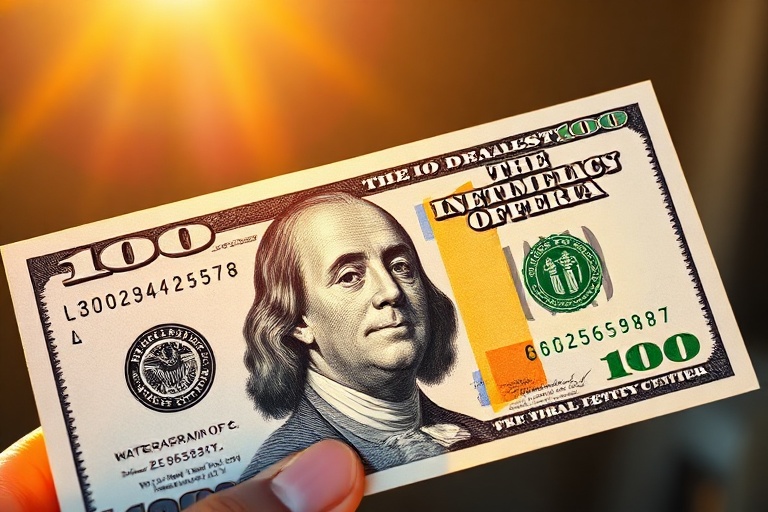
Why the U.S. Dollar Still Rules Global Finance in 2024
The U.S. dollar remains the most influential currency in the world, a status it has held for decades. Its reach extends far beyond American borders, underpinning international trade, debt markets, and even the reserves of foreign central banks. While emerging currencies like the yuan or euro occasionally challenge its dominance, the dollar’s grip on global finance appears unshakable—for now.
Understanding the dollar’s role requires examining its historical roots, its structural advantages, and the geopolitical currents that keep it at the center of the financial system. This isn’t just about exchange rates or inflation; it’s about power, stability, and the invisible threads that connect economies across continents.
The Historical Foundations of Dollar Supremacy
The dollar’s rise to global prominence began in the mid-20th century. After World War II, the Bretton Woods Agreement in 1944 established the dollar as the backbone of a new international monetary system. Countries agreed to peg their currencies to the dollar, which in turn was convertible to gold at a fixed rate. This arrangement, known as the gold standard, gave the dollar unparalleled credibility.
By the 1970s, the gold standard collapsed under the weight of economic pressures, but the dollar’s dominance persisted. The shift to floating exchange rates didn’t diminish its influence. Instead, the dollar’s role evolved into something even more powerful: the world’s primary reserve currency. Today, nearly 60% of global foreign exchange reserves are held in dollars, a figure that has barely budged in decades.
Key Milestones in the Dollar’s Global Journey
- 1944: Bretton Woods Agreement establishes the dollar as the cornerstone of global finance.
- 1971: President Nixon ends the gold standard, but the dollar remains central to trade and reserves.
- 1990s: The dollar strengthens as former Soviet states and emerging markets adopt it for stability.
- 2008: The financial crisis tests the dollar’s resilience, but it emerges as a safe haven.
- 2020s: Sanctions and geopolitical tensions raise questions about the dollar’s long-term dominance.
Why the Dollar Still Holds the Throne
Several factors explain the dollar’s enduring supremacy. First, the U.S. economy remains the largest in the world, accounting for roughly a quarter of global GDP. This economic mass creates a natural demand for dollars in trade and investment. Second, the U.S. financial system is the most sophisticated and liquid, offering unmatched stability and depth. Investors and governments alike trust that dollar-denominated assets, like U.S. Treasury bonds, will hold their value.
Another critical advantage is the dollar’s role in commodities. Oil, gold, and other key resources are priced in dollars. This petrodollar system means countries must hold dollars to buy energy, reinforcing the currency’s global demand. Even countries that dislike U.S. foreign policy often find themselves compelled to use dollars due to the lack of a viable alternative.
The Petrodollar System: A Pillar of Dollar Power
The petrodollar system, established in the 1970s, ties oil sales to the dollar. Under this framework, oil-exporting nations agree to price their oil in dollars and invest their earnings in U.S. assets. This creates a perpetual cycle of dollar demand. While some nations, like Iran and Venezuela, have tried to bypass the system, the sheer scale of the U.S. market makes resistance difficult.
Critics argue that the petrodollar system gives the U.S. disproportionate influence over global affairs. Sanctions, for example, leverage the dollar’s dominance to isolate adversaries economically. Countries like Russia and China have explored alternatives, such as trading oil in yuan or creating digital currencies, but these efforts remain in their infancy.
The Dollar’s Fragile Future: Challenges on the Horizon
Despite its entrenched position, the dollar faces growing threats. The rise of China’s economy and the internationalization of the yuan pose the most significant challenge. China has been steadily promoting the yuan in trade deals, particularly with countries in Africa, Latin America, and Asia. The Belt and Road Initiative, a massive infrastructure project, often involves yuan-denominated loans, slowly chipping away at dollar dependency.
Geopolitical tensions also risk eroding the dollar’s dominance. The weaponization of the dollar through sanctions has prompted some countries to seek alternatives. Russia, for instance, has reduced its dollar holdings and increased gold reserves. Iran and Venezuela, both under U.S. sanctions, have turned to barter systems and cryptocurrencies to bypass dollar-based trade.
Potential Alternatives to the Dollar
While no currency currently threatens the dollar’s dominance, a few have gained attention as potential contenders:
- The Euro: The euro is the second-most held reserve currency, but structural weaknesses in the Eurozone limit its appeal.
- The Chinese Yuan: The yuan is growing in use, but capital controls and political risks hinder its global adoption.
- Gold and Cryptocurrencies: Some central banks and investors are diversifying into gold or digital assets like Bitcoin as hedges against dollar volatility.
- Regional Currencies: The BRICS nations (Brazil, Russia, India, China, South Africa) have discussed creating a shared currency, though details remain vague.
What Comes Next for the Dollar?
The dollar’s future will likely be shaped by three key forces: economics, geopolitics, and technology. Economically, the U.S. must manage its debt and inflation carefully to maintain confidence in the dollar. Geopolitically, the rise of multipolar world orders could weaken the dollar’s unipolar dominance. Technologically, innovations like central bank digital currencies (CBDCs) and blockchain could disrupt traditional financial systems.
For now, the dollar remains unchallenged. But history shows that empires and currencies rise and fall. The question isn’t whether the dollar will eventually lose its crown, but when—and what will replace it. Until then, the world will continue to operate in a financial ecosystem where the dollar is king.
For deeper analysis on how currency fluctuations impact global markets, explore our Finance section and Economy archives.