The global energy landscape is undergoing a quiet but profound transformation. Households from Berlin to Bangalore are installing plug-in solar panels—small, portable photovoltaic systems that plug directly into standard electrical outlets. This do-it-yourself approach to solar power democratizes energy production, bypassing traditional infrastructure barriers and empowering individuals to generate their own electricity.
Unlike rooftop solar arrays, which require permits, structural assessments, and significant upfront investment, plug-in solar devices can be installed in minutes. They connect to any outdoor or indoor socket using a standard plug, making them accessible to renters, apartment dwellers, and homeowners alike. The movement reflects a broader shift toward decentralized energy systems, where consumers become producers—what experts call prosumers.
The Rise of Plug-In Solar: How It Works and Why It’s Gaining Ground
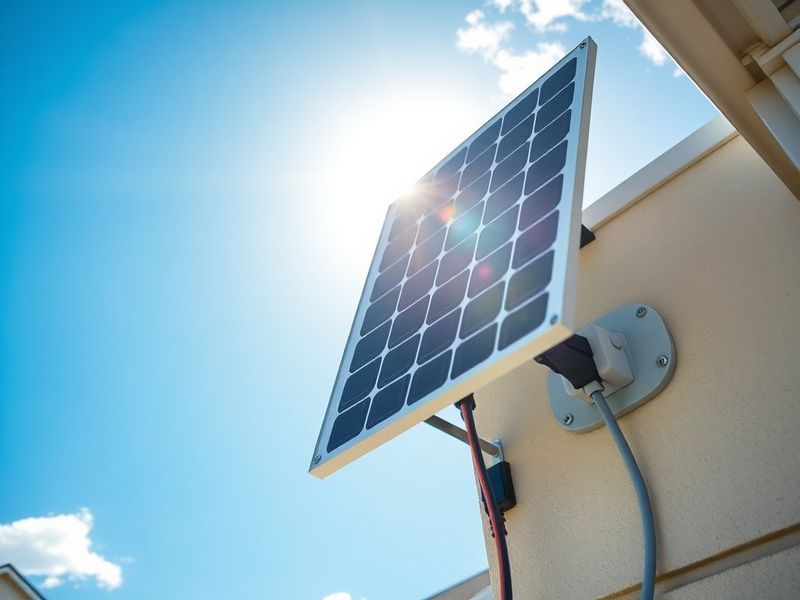
At the core of this innovation is simplicity. A typical plug-in solar kit includes one or two small panels (often 300–600 watts), a micro-inverter or power optimizer, and a plug-in cable. The system feeds electricity directly into the home’s circuit, offsetting power drawn from the grid. Surplus energy can be stored in a battery or exported back to the utility, depending on local regulations.
In Europe, where energy prices have soared due to geopolitical tensions, plug-in solar has surged in popularity. Germany, a leader in renewable adoption, saw installations jump by over 50% in 2023, according to the German Solar Industry Association. Meanwhile, in the United States, California and Colorado have introduced incentive programs that cover up to 50% of the cost for plug-in systems. Even in developing nations like Kenya and Nigeria, small-scale solar plug-ins are enabling off-grid communities to access reliable electricity without waiting for national grid expansion.
The affordability factor cannot be overstated. A basic plug-in solar starter kit costs between $200 and $600, a fraction of the price of conventional solar setups. This price point places clean energy within reach of lower-income households—a critical step toward energy equity.
Key Advantages of Plug-In Solar
- Speed of installation: Can be set up in under an hour with no permits required in many regions.
- Scalability: Start with one panel and expand as budget allows.
- Portability: Ideal for renters, van lifers, or anyone who moves frequently.
- Low maintenance: No moving parts; panels require only occasional cleaning.
- Immediate savings: Reduces electricity bills from day one.
Global Adoption: From Berlin Apartments to Indian Villages
Europe leads the plug-in solar charge, driven by high energy prices and supportive policies. In Germany, over 300,000 systems were installed in 2023—many by city dwellers with balconies or small gardens. The German government now offers tax rebates and streamlined registration for such devices.
In Japan, a nation still recovering from the Fukushima disaster, plug-in solar is seen as a resilience tool. After typhoons and earthquakes disrupt power grids, households with plug-in systems maintain basic lighting and refrigeration. Local governments in Tohoku and Osaka now subsidize kits as part of disaster preparedness programs.
Meanwhile, in sub-Saharan Africa, plug-in solar is bridging the energy gap. Organizations like Tech for All distribute portable solar kits in rural areas where grid access is years away. These systems power LED lights, charge phones, and run small appliances—transforming daily life for millions.
The cultural shift is palpable. In Australia, where backyard sheds double as home offices and gyms, plug-in panels are now common on garage roofs and patios. Australian comedian Hannah Gadsby once quipped in a stand-up special about “charging my phone with the same sun that gave me a sunburn”—a joke that underscores how normalized solar has become.
Challenges and Considerations: Safety, Regulations, and Grid Impact
Despite its promise, plug-in solar is not without controversy. Safety remains a top concern. Improper installation—such as using damaged cables or overloading circuits—can pose fire risks. Firefighters in the UK have warned about “rogue solar” setups after a spate of electrical fires in private rentals. Authorities now recommend certified installers and regular inspections.
Regulatory environments vary widely. In some U.S. states, plug-in solar is classified as “distributed energy” and qualifies for net metering. In others, utilities push back, citing grid stability concerns. Hawaii, for example, temporarily paused new plug-in solar registrations in 2024 to assess system-wide impacts.
There’s also the question of energy democracy versus corporate control. While plug-in solar empowers individuals, it risks fragmenting the energy market. Large utilities may see revenue decline as more households produce their own power. This tension is playing out in legislative halls from Brussels to Sacramento, where policymakers are debating how to balance innovation with grid reliability.
Common Concerns and Responses
- “Will it work in cloudy weather?” Yes. Panels generate electricity even on overcast days, though output is lower. In Germany, average annual generation from a 400W plug-in system is about 350 kWh—enough to power a refrigerator for a year.
- “Do I need a permit?” In most U.S. states and EU countries, plug-in solar under 800W doesn’t require a permit. Always check local codes.
- “What about theft or vandalism?” Most panels are lightweight and mounted with anti-theft screws. Some users install motion-activated cameras or keep units indoors when not in use.
- “Can I really save money?” A family in Texas cut their summer bill by 30% using a 600W system. Savings depend on sunlight, energy rates, and usage patterns.
The Future: A Plug-In Solar World?
As climate goals tighten and energy prices remain volatile, plug-in solar is poised for exponential growth. The International Energy Agency projects that by 2030, small-scale solar installations—including plug-in devices—will account for nearly 20% of global renewable capacity growth. This surge is fueled not by government mandates, but by consumer demand.
Technology is advancing quickly. Next-generation plug-in panels now include smart inverters that optimize energy flow in real time, Wi-Fi-enabled monitoring, and even AI-powered predictive maintenance. Companies like SolarPulse are developing plug-in systems with built-in batteries that store excess energy for nighttime use—eliminating reliance on the grid entirely.
Cultural attitudes are shifting too. In Denmark, where bicycles and wind turbines are national symbols, plug-in solar is becoming a civic duty. Municipalities offer free starter kits to residents who participate in energy-sharing programs. Social media trends show families proudly displaying their plug-in setups on TikTok, turning energy independence into a status symbol.
Yet challenges remain. Supply chain bottlenecks for micro-inverters and lithium batteries could slow adoption. And while plug-in solar reduces carbon footprints, its long-term environmental impact depends on recycling programs for panels and batteries—areas where many countries still lag.
A Balanced Path Forward
For plug-in solar to fulfill its promise, a three-pronged approach is needed:
- Education: Public awareness campaigns on safe installation and maintenance.
- Policy support: Clear, consistent regulations that encourage adoption without stifling innovation.
- Infrastructure: Investment in recycling and grid integration to handle decentralized energy flows.
Ultimately, plug-in solar represents more than a technological trend. It’s a cultural statement—a rejection of centralized energy systems in favor of personal agency. In an era of climate anxiety and economic uncertainty, it offers a tangible way for individuals to take control of their energy future.
As one German retiree put it, “I may not be able to stop the energy crisis, but I can stop paying for it.”