Sue Bird’s name isn’t just synonymous with excellence in women’s basketball—it’s etched into the foundation of the WNBA itself. For two decades, Bird stood as a towering figure in the league, not just for her on-court brilliance, but for the way she redefined what it means to lead, adapt, and inspire. Her career wasn’t merely a highlight reel of assists, clutch shots, and championships; it was a masterclass in professionalism, resilience, and the power of longevity in sports.
From UConn Dominance to WNBA Stardom
Bird’s journey to basketball immortality began in Syosset, New York, where her talent was evident early. At the University of Connecticut, she became a three-time All-American under the legendary Geno Auriemma, winning two national championships. Her college career was defined by precision—her court vision, leadership, and clutch performances made her a fan favorite and a coach’s dream.
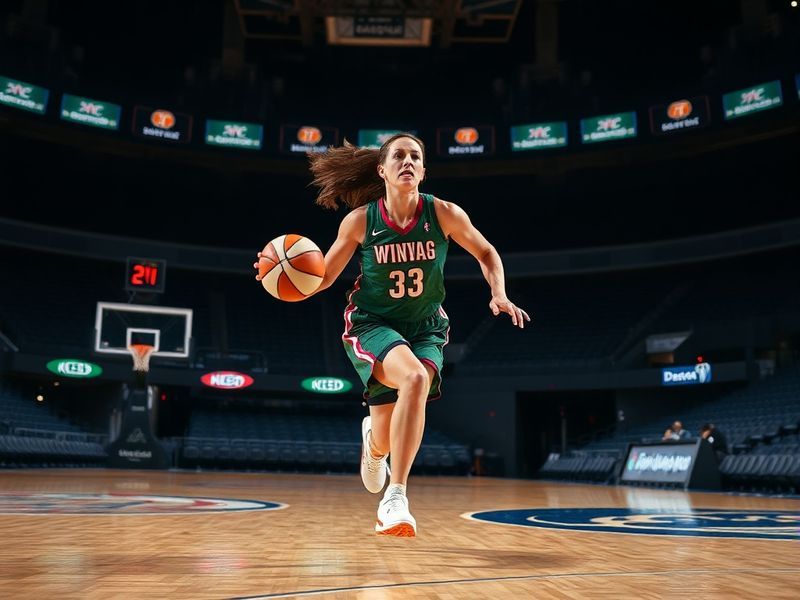
When the Seattle Storm selected her first overall in the 2002 WNBA Draft, expectations were sky-high. Bird didn’t just meet them; she shattered them. In her rookie season, she averaged 13.6 points and 5.7 assists per game, earning Rookie of the Year honors. But it was her ability to elevate those around her that set her apart. Bird wasn’t just a scorer; she was a facilitator, a floor general who turned the Storm into a perennial contender.
Her partnership with Lauren Jackson and, later, Breanna Stewart, formed one of the most dominant duos in WNBA history. Together, they delivered four championships (2004, 2010, 2018, 2020) and cemented Seattle’s place in basketball lore. Bird’s leadership was the glue that held it all together—a point guard who could control tempo, make the big play, and lift her teammates when it mattered most.
The Blueprint for Longevity: What Made Bird Different
In an era where athletes often peak early and fade fast, Bird defied the odds. She played 19 seasons in the WNBA, all with the Storm, and remained an All-Star until 2017. Her longevity wasn’t accidental; it was the result of meticulous preparation, adaptability, and an unrelenting work ethic. Bird’s ability to reinvent her game as she aged was nothing short of remarkable. She transitioned from a high-scoring point guard to a floor leader who relied on efficiency, playmaking, and basketball IQ.
Her offseason workouts were legendary. Bird trained with NBA players, studied film relentlessly, and prioritized recovery like a scientist. She once joked that her body was “like a fine wine”—better with time. But behind the humor was a serious commitment to staying elite. Even in her final seasons, she remained a key contributor, proving that skill and mental toughness could outlast physical decline.
Bird’s longevity also reflected the WNBA’s evolution. She entered the league when women’s basketball was still fighting for mainstream attention. By the time she retired in 2022, the league had secured landmark TV deals, a new collective bargaining agreement, and a generation of young fans. Bird wasn’t just a player in that growth; she was one of its architects, using her platform to advocate for better pay, visibility, and respect for women’s sports.
Leadership Beyond the Court: The Sue Bird Effect
Bird’s influence extended far beyond her statistics. She was a vocal advocate for social justice, using her platform to speak out against racial inequality and police brutality. In 2020, she joined Breanna Stewart and other WNBA players in pushing for social reform, leveraging the league’s visibility to drive change. Her activism wasn’t performative; it was rooted in a lifelong commitment to equity.
Off the court, Bird became a cultural icon. Her relationship with Megan Rapinoe—one of the most visible LGBTQ+ couples in sports—brought further visibility to queer athletes. Bird’s openness about her life and career helped normalize conversations about identity in sports, particularly in leagues where LGBTQ+ visibility was often limited.
She also became a mentor to younger players, particularly point guards looking to follow in her footsteps. Bird’s ability to read defenses, communicate effectively, and lead by example made her a sought-after resource. Players like Sabrina Ionescu and Jewell Loyd have cited her as a major influence, proving that Bird’s legacy would endure long after her retirement.
The Lasting Legacy of Sue Bird
Bird’s retirement in 2022 marked the end of an era, but her impact on basketball and sports culture will resonate for generations. She leaves behind a resume that includes four WNBA championships, five Olympic gold medals (the most by any basketball player, male or female), and a list of accolades that reads like a who’s who of basketball excellence. More importantly, she leaves a blueprint for how athletes can use their platforms to drive change, both on and off the court.
For young athletes, Bird’s career offers a masterclass in professionalism. Her work ethic, adaptability, and commitment to growth are lessons that transcend sports. For the WNBA, her legacy is a reminder of the power of leadership and the importance of building a sustainable, equitable league. And for fans, she remains an inspiration—a reminder that greatness isn’t just about talent, but about how you use it to lift others.
As the WNBA continues to grow, Bird’s influence will be felt in every corner of the league. From the players she mentored to the fans she inspired, her legacy is secure. Sue Bird didn’t just play the game; she changed it.
Key Takeaways from Sue Bird’s Career
- Unmatched Longevity: Bird played 19 WNBA seasons, all with the Seattle Storm, proving that skill and adaptability can defy age.
- Championship Pedigree: Four WNBA titles, two Olympic gold medals as a key player, and a legacy of clutch performances.
- Leadership Redefined: Bird’s court vision and ability to elevate teammates made her one of the most respected point guards in sports history.
- Activism and Visibility: A vocal advocate for social justice and LGBTQ+ rights, Bird used her platform to drive meaningful change.
- Mentorship Impact: Younger players continue to cite her as a major influence, ensuring her legacy extends beyond her playing days.
For those looking to dive deeper into the WNBA’s history and its cultural impact, check out Dave’s Locker’s Sports section for more in-depth analysis and coverage. To explore how athletes like Bird are shaping the future of women’s sports, visit Trending for the latest updates.
“Sue Bird didn’t just play the game—she redefined what it means to be a leader, an advocate, and a champion. Her legacy is a testament to the power of resilience, adaptability, and using your platform for good.”
Looking Ahead: The Next Chapter for Sue Bird
While Bird has retired from playing, her career isn’t over. She has taken on a front-office role with the Seattle Storm, ensuring her influence remains in the organization for years to come. Additionally, her media presence and advocacy work continue to amplify important conversations around sports, equity, and visibility.
Bird’s post-playing career reflects the same strategic mindset that defined her time on the court. She’s not just stepping back; she’s stepping into new roles with the same level of dedication and purpose. Whether it’s through commentary, activism, or executive decisions, Bird’s voice will remain a powerful force in sports.
As we reflect on her career, it’s clear that Sue Bird’s impact extends far beyond the stat sheet. She’s a reminder that greatness isn’t measured solely in wins and losses, but in the lives you touch and the barriers you break. For that, she’ll always be remembered not just as a legend of the game, but as a pioneer who changed it forever.