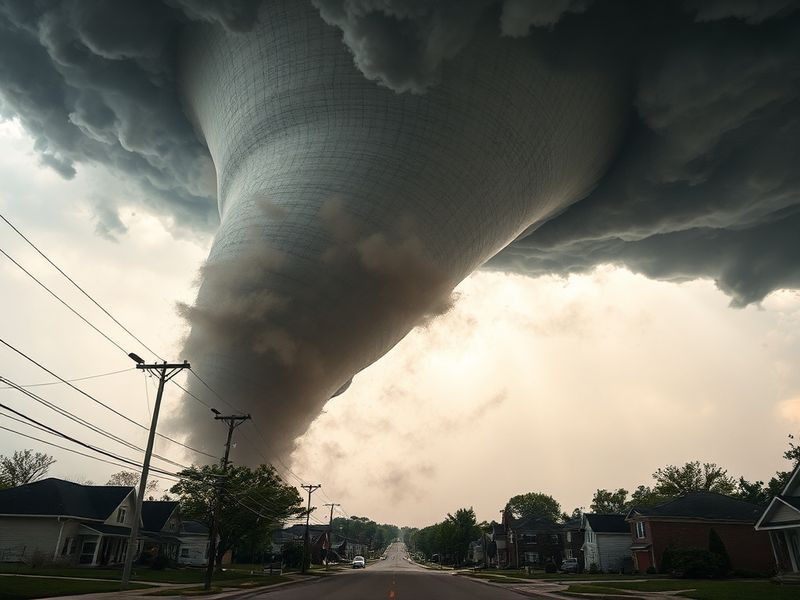
The city of Rochester, Minnesota, has faced its share of severe weather events over the years, but few have left as lasting an impression as the tornado that swept through the area on August 7, 2023. This EF-2 tornado, with winds reaching up to 120 miles per hour, carved a path of destruction approximately 8.5 miles long and 300 yards wide, affecting neighborhoods, businesses, and critical infrastructure. The event not only tested the resilience of the community but also highlighted the importance of preparedness and rapid response in the face of natural disasters.
The Path of Destruction: How the Tornado Unfolded
According to the National Weather Service, the tornado touched down just southwest of Rochester around 4:15 PM. It moved northeast at a relatively slow pace, allowing residents some time to seek shelter but also prolonging the period of uncertainty. The storm system was part of a larger outbreak that included multiple tornadoes across southeastern Minnesota and northern Iowa, but the Rochester tornado stood out due to its intensity and the density of the affected area.
The hardest-hit neighborhoods included parts of Kasson and Douglas, where entire blocks of homes sustained significant damage. Roofs were torn off, windows shattered, and trees uprooted, leaving behind a scene that resembled a war zone. Emergency responders reported over 50 injuries, though fortunately, there were no fatalities—a testament to the effectiveness of local warning systems and the community’s quick actions.
In the aftermath, drone footage revealed the stark contrast between the affected areas and the surrounding unscathed neighborhoods. Power lines lay tangled across roads, and debris was scattered for miles, creating hazardous conditions for both cleanup crews and residents attempting to assess the damage. The tornado’s slow movement, while giving people time to prepare, also meant prolonged exposure to the elements for those caught in its path.
Community Response: Coming Together in the Face of Adversity
The response to the tornado was swift and coordinated. Local authorities, including the Rochester Police Department and Olmsted County Emergency Management, issued multiple warnings via emergency alert systems, social media, and local news outlets. The city’s emergency sirens blared as the tornado approached, giving residents an average of 10-15 minutes to reach shelter—a critical window that likely saved lives.
Within hours of the tornado passing, volunteers from organizations like the American Red Cross and Team Rubicon arrived to assist with cleanup and provide support to displaced residents. Local businesses, including grocery stores and hardware shops, opened their doors to those in need, offering food, water, and supplies. The outpouring of support extended beyond Rochester, with donations pouring in from neighboring cities and even other states.
One particularly moving example of community spirit came from the Mayo Clinic, which not only treated the injured but also opened its facilities to those who had lost their homes. Medical staff worked around the clock to address both physical injuries and the psychological toll of the disaster. Mental health professionals were made available to help residents process their trauma, emphasizing the long-term impact such events can have on mental well-being.
Long-Term Recovery Efforts
Recovery from a tornado of this magnitude is a marathon, not a sprint. The city of Rochester has already begun the process of rebuilding, with a focus on improving infrastructure to better withstand future storms. This includes reinforcing power lines, updating building codes, and investing in more robust warning systems. The Federal Emergency Management Agency (FEMA) has pledged support, though the process of applying for and receiving aid can be lengthy and bureaucratic.
For many residents, the emotional recovery may take even longer. The loss of personal belongings, cherished memories, and a sense of security can weigh heavily on individuals and families. Local organizations, such as the United Way of Olmsted County, have set up funds to assist with both immediate needs and long-term recovery efforts. These initiatives are crucial in helping the community heal and move forward.
Lessons Learned: Preparing for Future Storms
The tornado in Rochester served as a stark reminder of the importance of preparedness. While the city’s response was commendable, there are always areas for improvement. One key takeaway is the need for better public education on tornado safety. Many residents admitted they were unsure of the best places to shelter or how to react when warnings were issued. Local schools and community centers have since begun hosting workshops to address these gaps.
Another lesson is the value of community networks. Informal groups, such as neighborhood watch programs, played a vital role in spreading warnings and checking on vulnerable residents. Strengthening these networks could enhance future response efforts. Additionally, the event highlighted the need for better coordination between local, state, and federal agencies to streamline recovery processes.
Infrastructure and Climate Considerations
As severe weather events become more frequent due to climate change, cities like Rochester must adapt. This includes not only improving infrastructure but also considering long-term climate resilience strategies. For example, green spaces and floodplain management can help mitigate the impact of future storms. The city is exploring these options as part of its recovery planning.
Experts also point to the role of urban planning in tornado-prone areas. Dense neighborhoods with closely spaced homes can lead to higher casualties and property damage. Rochester’s recovery efforts may include reevaluating zoning laws and building codes to reduce risks in vulnerable areas.
How to Help and Stay Informed
For those looking to support the recovery efforts in Rochester, there are several ways to contribute. Donations to local organizations, such as the United Way of Olmsted County or the American Red Cross, are always welcome. Volunteers can also sign up through these organizations to assist with cleanup and recovery efforts.
Staying informed about severe weather is another critical aspect of preparedness. Residents are encouraged to sign up for local alert systems, such as Olmsted County Emergency Management’s notification service, and to have multiple ways to receive warnings, including weather apps and NOAA weather radios. The National Weather Service also provides updates on its website, including detailed reports on the tornado’s path and intensity.
Looking Ahead: A Resilient Community
The tornado in Rochester was a devastating event, but it also showcased the strength and resilience of the community. The outpouring of support from neighbors, volunteers, and even strangers from across the country demonstrated the power of unity in the face of adversity. As the city rebuilds, it does so with a renewed sense of purpose and a commitment to being better prepared for whatever challenges lie ahead.
For residents, the road to recovery will be long, but they are not alone. The lessons learned from this event will shape the future of Rochester, making it a safer and more resilient place to live. And for those watching from afar, the story of Rochester serves as a reminder of the importance of community, preparedness, and the human spirit in the face of nature’s fury.