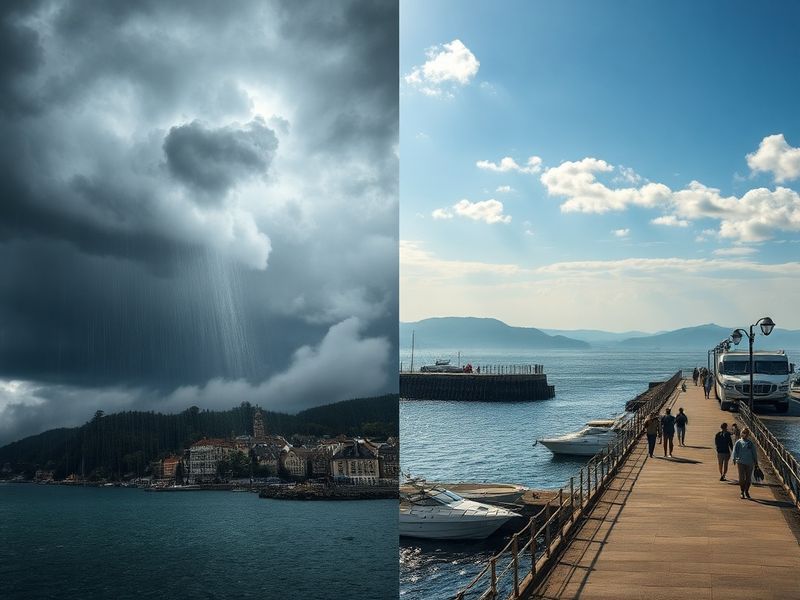
Weather alerts can be confusing, especially when terms like “watch” and “warning” are used interchangeably. These terms aren’t just bureaucratic jargon—they represent distinct levels of urgency and potential danger. Knowing the difference could save lives, property, and even help you avoid unnecessary panic.
Meteorologists and emergency management agencies use these terms deliberately to convey precise levels of risk. A watch means conditions are favorable for a hazardous event, while a warning means that event is imminent or already occurring. The distinction is critical for preparedness and response, yet many people remain unclear on what each term actually entails.
What Is a Watch? Conditions Are Possible, Not Guaranteed
A watch is issued when conditions are favorable for severe weather or other hazardous events. It’s not a guarantee that disaster will strike, but it signals that you should stay alert and prepare just in case. Think of it as a heads-up from the National Weather Service (NWS) or your local meteorologist.
For example, a Severe Thunderstorm Watch means that atmospheric conditions could produce severe storms, but they haven’t formed yet. Similarly, a Tornado Watch indicates that the environment is primed for tornadoes, though none have been spotted. The key takeaway? A watch is a call to awareness, not immediate action.
Here’s how watches typically break down by type:
- Severe Thunderstorm Watch: Conditions favor thunderstorms capable of producing hail, damaging winds, or even tornadoes.
- Tornado Watch: The area is at risk for tornado development due to favorable wind shear and instability.
- Flood Watch: Heavy rainfall or snowmelt could lead to flooding, though rivers or streams may not yet be overflowing.
- Winter Storm Watch: Significant snow, sleet, or ice accumulations are possible, but not certain.
When a watch is issued, it’s time to review your emergency plans. Check your supplies, ensure your weather radio is working, and stay tuned to local forecasts. The goal isn’t to panic, but to be ready if conditions worsen.
What Is a Warning? Take Action Immediately
A warning is far more urgent. It means hazardous weather is either happening right now or is about to happen very soon. Unlike a watch, a warning demands immediate action to protect life and property. If you’re in the warned area, don’t wait—take cover immediately.
Warnings are issued when a threat is confirmed or highly likely. For instance, a Tornado Warning means a tornado has been spotted on the ground or radar indicates a high probability of formation. A Flash Flood Warning means flooding is occurring or will begin within minutes. There’s no time for hesitation.
Here’s what warnings typically include:
- Tornado Warning: A tornado has been sighted or detected by radar; seek shelter in a basement or interior room immediately.
- Severe Thunderstorm Warning: A storm is producing hail larger than an inch or winds over 58 mph; move indoors and stay away from windows.
- Flash Flood Warning: Life-threatening flooding is happening or about to happen; avoid low-lying areas and never drive through flooded roads.
- Blizzard Warning: Sustained winds of 35 mph or higher with visibility below a quarter-mile for at least three hours; stay off roads if possible.
The difference between a watch and a warning isn’t just semantics—it’s about survival. During a warning, every second counts. Have a plan in place so you’re not scrambling when time is critical.
Why the Confusion? Common Misconceptions and How to Avoid Them
Part of the confusion stems from how media outlets and even some government agencies sometimes use the terms loosely. A local news station might say “a tornado watch is in effect,” while another might shorten it to “tornado watch.” Over time, these abbreviations can blur the lines between watches and warnings.
Another factor is the sheer volume of alerts. The NWS issues hundreds of watches and warnings each year, and not all are high-risk. Some people become desensitized, treating every alert with the same urgency—or worse, ignoring them altogether. This phenomenon, known as alert fatigue, can have dangerous consequences when a truly critical warning is issued.
To avoid confusion, follow these steps:
- Know Your Source: Rely on official NWS alerts or trusted local meteorologists. Avoid sensationalized social media posts.
- Understand the Terms: Memorize the definitions of watches and warnings for the hazards most common in your area.
- Have a Plan: Practice your emergency procedures so you’re not figuring them out in the moment. Know where to shelter and what supplies to grab.
- Stay Updated: Use a weather app with push notifications or a NOAA Weather Radio to receive alerts as soon as they’re issued.
For those who enjoy staying informed, Dave’s Locker News provides real-time updates on severe weather events and their impacts across the country. Keeping a trusted resource bookmarked can make all the difference when conditions change rapidly.
Real-World Examples: How Watches and Warnings Play Out
Consider the tornado outbreak that struck the Midwest in December 2021. Forecasters issued a Tornado Watch hours before the storms developed, giving residents time to review their plans. Within that watch area, meteorologists later issued multiple Tornado Warnings as radar indicated rotation in the storms. The warnings allowed people to take shelter before the tornadoes touched down, reducing injuries and fatalities.
In contrast, the 2011 Joplin, Missouri, tornado—one of the deadliest in U.S. history—was preceded by a Tornado Warning that gave residents just 20 minutes to react. While the warning was timely, the storm’s intensity overwhelmed the city. This highlights why understanding the difference between a watch and a warning is only part of the equation; preparedness is equally vital.
Another example is the California wildfires of 2020. While wildfires don’t always come with traditional watches and warnings, the Fire Weather Watch and Red Flag Warning system serves a similar purpose. A Fire Weather Watch means critical fire conditions are possible, while a Red Flag Warning means they’re imminent. These alerts help fire departments pre-position resources and residents evacuate early.
These real-world scenarios underscore why clarity in communication matters. A well-issued watch or warning can mean the difference between chaos and coordinated response.
Final Thoughts: Stay Informed, Stay Prepared
Weather alerts aren’t just alerts—they’re lifelines. A watch prepares you for the possibility of danger, while a warning demands immediate action. Ignoring either can have serious consequences, but so can overreacting to every notification. The key is balance: stay informed without letting alert fatigue dull your response.
For more on how weather events unfold and their broader impacts, explore the Trending section of Dave’s Locker, where we break down the science and stories behind today’s headlines. And remember, whether it’s a watch or a warning, your safety starts with awareness and preparation.
Next time you hear “watch” or “warning,” pause for a moment. Ask yourself: Is this a heads-up, or is it time to act? Your answer could make all the difference.