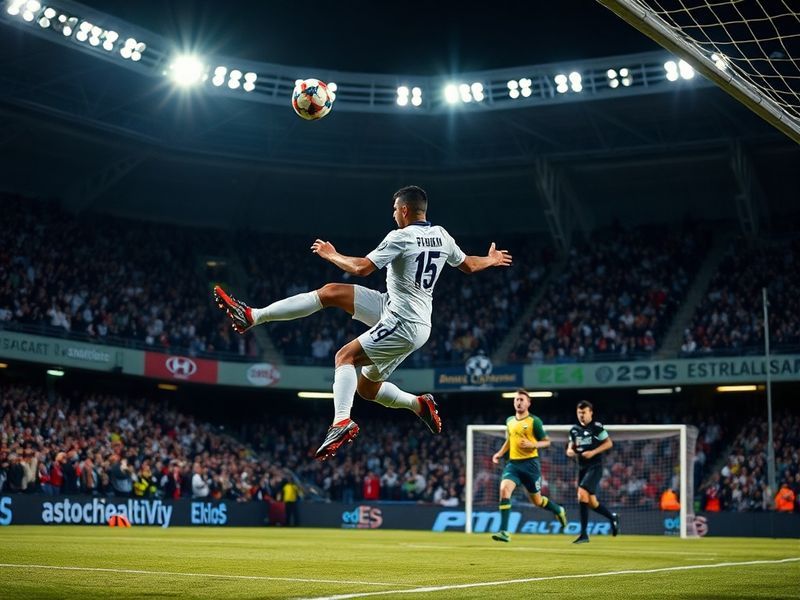
Poland’s top football division, the Ekstraklasa, has quietly become one of Europe’s most competitive and financially resilient leagues. Once overshadowed by Western European giants, the league now boasts rising talent, modern infrastructure, and increasing global visibility. With clubs steadily improving their European performances and attracting international investment, the Ekstraklasa is carving out a distinct identity on the continent’s football map.
The Ekstraklasa: Structure and Significance
The Ekstraklasa is Poland’s highest professional football league, featuring 18 teams that compete in a 34-match season. Founded in 1927, it has evolved from a regional competition into a fully professionalized league under the Polish Football Association (PZPN). The league operates on a promotion-relegation system with the I liga, ensuring a steady flow of emerging clubs and maintaining competitive balance.
Each season culminates in a dramatic title race, often decided by narrow margins. The league’s physical style—marked by high pressing, tactical discipline, and passionate fan culture—has earned it a reputation for intensity. Clubs like Legia Warsaw, Lech Poznań, and Pogoń Szczecin are not just local institutions but symbols of regional pride, each with histories stretching back over a century.
Key Features of the Ekstraklasa
- 18 teams compete in a double round-robin format.
- European competition access: The top two teams qualify for the UEFA Champions League qualifiers, while the third and fourth-placed teams enter the UEFA Europa League.
- Promotion and relegation between the Ekstraklasa and I liga ensures fresh competition annually.
- Television rights deals have grown significantly, with streaming platforms expanding global reach.
Financial Growth and Commercial Expansion
The Ekstraklasa’s financial landscape has transformed in the past decade. Historically dependent on domestic sponsorships, the league now attracts international investors and media partners. In 2022, the league secured a record-breaking broadcasting deal with Canal+ and Eleven Sports, valued at over €500 million over four years. This influx of revenue has enabled clubs to upgrade training facilities, develop youth academies, and compete more effectively in European tournaments.
Clubs have also diversified revenue streams. Lech Poznań’s partnership with sportswear brand Macron and Legia Warsaw’s collaboration with Adidas reflect a broader trend of commercial professionalization. Even smaller clubs, such as Raków Częstochowa, have leveraged smart investments to rise from mid-table obscurity to league contenders and UEFA Europa Conference League participants.
“The Ekstraklasa is no longer just a feeder league. It’s a destination for young talent and a proving ground for managers looking to make a name in European football.” — Tomasz Frankowski, former Poland striker and football analyst
Talent Development and International Influence
One of the league’s most compelling stories is its role in developing world-class talent. Poland has produced footballers who have starred in top European leagues, including Robert Lewandowski, Piotr Zieliński, and Jakub Kamiński. The Ekstraklasa serves as a critical stepping stone for these players, offering high-intensity football and exposure to European competition before their eventual moves abroad.
The league’s academies, particularly those at Legia Warsaw and Lech Poznań, have become renowned for their youth development programs. These academies combine technical training with mental conditioning, producing players who are technically proficient and tactically aware. The success of Polish players abroad has created a virtuous cycle: as more talent emerges from the Ekstraklasa, the league’s reputation grows, attracting better players and coaches.
International managers have also taken notice. Former Premier League and Bundesliga coaches such as Aleksandar Vuković (Legia Warsaw) and Maciej Skorża (Lech Poznań) have brought tactical sophistication to the league, raising the standard of play. Their presence signals a shift from the league’s historical reputation for being physically demanding but tactically simplistic.
Broader Implications: A Model for Emerging Leagues
The Ekstraklasa’s evolution offers lessons for other emerging football leagues. Its ability to balance financial growth with competitive integrity demonstrates how strategic investments in infrastructure, broadcasting, and youth development can elevate a league’s standing. The model is particularly relevant for leagues in Central and Eastern Europe, where financial constraints often limit ambition.
Moreover, the Ekstraklasa’s success underscores the importance of fan engagement. Clubs like Raków Częstochowa and Śląsk Wrocław boast some of the most passionate supporters in Europe, creating an electrifying atmosphere in stadiums. This culture not only enhances the matchday experience but also strengthens commercial appeal, making the league more attractive to sponsors and broadcasters.
From a broader perspective, the Ekstraklasa contributes to Poland’s soft power. As the country hosts major international tournaments—including UEFA Euro 2012 and the upcoming UEFA Champions League final in Warsaw—its football league gains visibility. The league’s growing prestige helps normalize Poland as a destination for football tourism, investment, and cultural exchange.
Challenges Ahead
Despite its progress, the Ekstraklasa faces challenges. Financial disparities between top clubs and smaller teams persist, risking a competitive imbalance. Infrastructure gaps remain in some regions, limiting the league’s ability to host high-profile matches. Additionally, the threat of financial doping scandals looms, as clubs seek to bridge the gap with Western European counterparts through unsustainable spending.
Yet, the league’s trajectory is undeniably positive. With continued investment in youth development, stadium modernization, and commercial partnerships, the Ekstraklasa is poised to become a permanent fixture in Europe’s football consciousness.
Conclusion
The Ekstraklasa is no longer Poland’s best-kept secret. It is a league on the rise, characterized by competitive intensity, financial growth, and a commitment to developing world-class talent. As it continues to challenge the traditional dominance of Western European leagues, the Ekstraklasa offers a compelling case study in how strategic planning and cultural passion can transform a football league.
For fans, the league delivers excitement and unpredictability. For players, it provides a pathway to global stardom. For investors, it presents a growing market with untapped potential. The Ekstraklasa’s journey from regional competition to continental contender is a testament to the power of football as both a cultural and economic force.
As the 2024–25 season approaches, all eyes will be on the title race, the emergence of new stars, and the league’s next step toward global recognition. One thing is certain: the Ekstraklasa is no longer waiting in the wings. It is taking center stage.
For more insights into European football dynamics, explore our Sports and News sections.