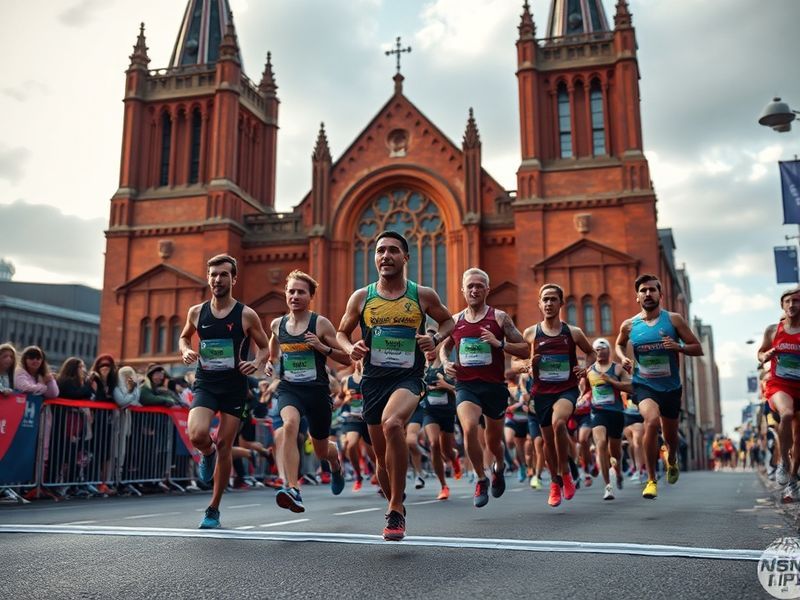
Manchester Marathon 2026: A Global Stage for Runners and Spectators
The Manchester Marathon has grown from a local race into one of the United Kingdom’s most prestigious sporting events. Scheduled for April 2026, the 36th edition promises to build on its reputation as a fast, flat course that attracts elite athletes and amateur runners alike. With its deep ties to Manchester’s sporting culture, the event reflects the city’s broader transformation into a hub for endurance sports and urban athleticism.
What sets the Manchester Marathon apart is its blend of competitive racing and community celebration. The course winds through the city’s iconic landmarks, from the start at Old Trafford to the finish near the Town Hall. This route not only challenges runners but also invites spectators to become part of the spectacle, turning the streets into a vibrant canvas of color and energy. As the event gains international attention, it offers a window into how urban marathons are evolving beyond mere competitions into cultural experiences.
Why Manchester? The City’s Enduring Appeal for Runners
Manchester’s rise as a marathon destination is no accident. The city has long been a powerhouse in British sport, from football to cycling, and the marathon taps into that legacy. The flat, fast course—certified by World Athletics—has produced numerous course records, making it a favorite for elite athletes aiming for Olympic qualifying times. Yet, its accessibility also appeals to first-time marathoners, who can chase personal bests while soaking in the urban atmosphere.
Beyond the course, Manchester’s infrastructure supports large-scale events. The city’s tram and rail networks make it easy for international visitors to arrive and move around. Local accommodations, from boutique hotels to budget hostels, cater to every traveler. This infrastructure, combined with Manchester’s reputation for innovation, positions the 2026 marathon as a model for future urban races.
The Global Marathon Scene: How Manchester Fits In
Marathons have become global phenomena, with cities competing to host the most prestigious events. London, Berlin, and Chicago dominate the elite circuit, but Manchester carves out its niche as a destination that balances competition with accessibility. Unlike the crowded, commercialized races of larger cities, Manchester offers a more intimate experience—one where runners can focus on performance without losing the sense of community that defines the sport.
In recent years, marathons have also become platforms for social and environmental initiatives. The Manchester Marathon has embraced this trend, incorporating sustainability measures like reduced plastic use and carbon offset programs. These efforts align with the city’s broader commitment to climate action, making the event a case study in how sports can drive positive change. As cities worldwide grapple with the challenges of urbanization and climate change, Manchester’s approach offers a blueprint for others to follow.
What’s New for 2026? Innovations and Expectations
The 2026 edition is expected to introduce several innovations, both in race logistics and fan engagement. Organizers have hinted at enhanced digital integration, including real-time tracking for spectators and virtual reality experiences for those unable to attend. These tools aim to bridge the gap between runners and their supporters, creating a more immersive event.
Another area of focus is inclusivity. The marathon has historically attracted a diverse field, but organizers are working to expand participation among underrepresented groups, including women and runners with disabilities. Initiatives like the “Manchester Mile”—a shorter distance for beginners—encourage new participants to join the running community. These efforts reflect a broader shift in the sport, where marathons are no longer just about elite performance but about fostering a culture of accessibility and inclusivity.
Elite athletes are also expected to push the boundaries of performance. With the 2026 Paris Olympics on the horizon, many top runners may use Manchester as a tune-up race, seeking to test their fitness in a competitive environment. The presence of elite fields not only raises the profile of the event but also inspires amateur runners to aim higher.
Beyond the Race: The Cultural Impact of the Manchester Marathon
The Manchester Marathon is more than just a race; it’s a celebration of the city itself. The event coincides with Manchester’s broader cultural calendar, which includes festivals, music events, and art exhibitions. This synergy turns race weekend into a multi-day festival, where running, music, and food intersect. Local businesses—from cafes to music venues—benefit from the influx of visitors, creating a ripple effect that boosts the city’s economy.
For many runners, the marathon is a pilgrimage. The city’s industrial heritage, its role in music history (from Joy Division to Oasis), and its modern revival as a creative hub give it a unique character. Runners often describe the experience as transcendent, not just because of the physical challenge but because of the atmosphere. The cheers from spectators, the music blaring from street corners, and the sense of shared achievement create memories that last long after the race.
This cultural dimension is why the Manchester Marathon stands out in the global marathon circuit. While races like the New York City or London Marathons offer their own distinct flavors, Manchester’s blend of sport, history, and urban energy creates something truly special. It’s a reminder that marathons are not just about times and medals; they’re about the stories runners take home with them.
How to Prepare: Tips for Runners and Spectators
For those planning to run or attend the 2026 marathon, preparation is key. Runners should focus on both physical and mental training, especially given Manchester’s unpredictable April weather—rain is always a possibility. Building endurance, practicing in similar conditions, and planning race-day logistics (like gear and pacing) can make the difference between a memorable finish and a challenging experience.
Spectators, too, can make the most of the event. The marathon’s urban route means that fans can cheer from multiple points, making it easy to follow runners at different stages of the race. Popular spots include the start/finish area near Old Trafford and the stretch along Deansgate, where the energy peaks. For those looking to immerse themselves fully, booking accommodations early is essential, as hotels fill up quickly during race weekend.
Whether you’re lacing up your shoes or cheering from the sidelines, the Manchester Marathon offers an experience unlike any other. It’s a testament to the power of sport to unite people, celebrate culture, and push human limits. As the 2026 edition approaches, the excitement is building—not just for the race itself, but for what it represents: a city at its best, where athleticism and community come together.
Looking Ahead: The Future of Urban Marathons
The Manchester Marathon is a microcosm of a larger trend: the evolution of urban marathons into cultural institutions. As cities worldwide seek to reinvent themselves, marathons offer a way to showcase their strengths—whether it’s infrastructure, innovation, or inclusivity. Manchester’s success demonstrates how a race can be more than a sporting event; it can be a catalyst for urban renewal and community pride.
For runners, the 2026 marathon represents an opportunity to be part of this legacy. For spectators, it’s a chance to witness sport in one of Europe’s most dynamic cities. And for Manchester, it’s a platform to reinforce its identity as a global leader in both sport and culture. As the countdown to race day begins, one thing is clear: the Manchester Marathon is not just a race. It’s a celebration of what cities—and the people who call them home—can achieve together.
For more on running events and sports culture, explore our Sports section.