Nestled in the heart of central Wisconsin, Marathon County stands as a testament to the state’s diverse offerings—from sprawling natural landscapes to a thriving agricultural and industrial base. Often overshadowed by its more touristy neighbors, this county of approximately 140,000 residents is quietly carving out a reputation as a destination for outdoor enthusiasts, history buffs, and business innovators alike.
Unlike the urban rush of Milwaukee or the tourist-heavy streets of Door County, Marathon County offers a slower pace with rich cultural roots and economic resilience. Its blend of urban amenities and rural charm makes it a microcosm of Wisconsin’s broader identity. Here’s why this county deserves more attention.
The Geographical and Cultural Backbone of Central Wisconsin
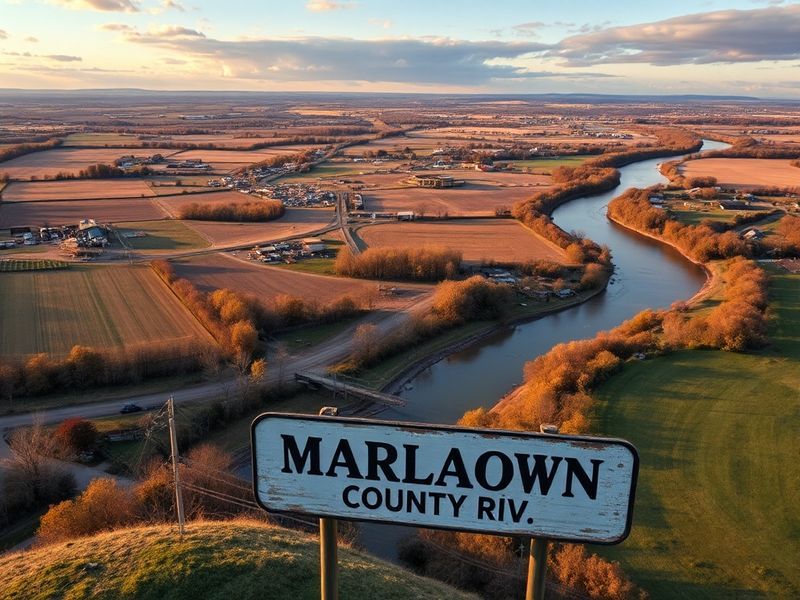
Marathon County spans over 1,500 square miles, making it one of Wisconsin’s largest counties by land area. Its geography is a study in contrasts: the northern reaches are dominated by dense forests and the headwaters of the Wisconsin River, while the southern areas transition into rolling farmland and small towns. This diversity creates a natural playground for outdoor activities year-round.
The county’s namesake comes from the Greek word for “long-distance runner,” a nod to the 1846 legislature’s decision to honor the endurance of early settlers who traveled great distances to reach the area. Today, that spirit of endurance is still palpable in the county’s resilience and adaptability.
Culturally, Marathon County is a melting pot shaped by German, Polish, and Native American influences. Wausau, the county seat and largest city, hosts the annual Wausau Nordic Fest, a celebration of winter sports and Scandinavian heritage that draws visitors from across the Midwest. The area’s strong German roots are evident in its breweries, festivals, and hearty cuisine, while the Ho-Chunk Nation maintains a cultural presence through events and land stewardship.
Economic Strength Beyond the Stereotypes
When people think of Wisconsin’s economy, dairy farms and cheese production often come to mind. While agriculture remains vital in Marathon County—with dairy, cranberries, and potatoes among its top crops—the local economy has diversified significantly in recent decades.
Manufacturing is a cornerstone of Marathon County’s economy, employing over 20% of the workforce. Companies like Greenheck Group in Schofield and Wausau Tile have become industry leaders, producing HVAC systems and architectural tile that are shipped worldwide. The county’s business-friendly climate, coupled with a skilled labor force, has attracted both large employers and startups.
Tourism also plays an increasingly important role. The Ice Age National Scenic Trail, which cuts through Marathon County, offers 30 miles of hiking and biking opportunities, while the Big Eau Pleine Reservoir provides fishing, boating, and wildlife viewing. These natural assets have spurred growth in eco-tourism, with local businesses capitalizing on the demand for sustainable travel experiences.
Yet, challenges remain. Like many rural areas, Marathon County faces an aging population and workforce shortages in key industries. Local leaders are addressing this through initiatives like the Marathon County Economic Development Program, which offers incentives for businesses that invest in employee training and retention.
Key Sectors Driving Marathon County’s Economy
- Agriculture: Leading crops include cranberries, potatoes, and dairy, with several family-owned farms supplying regional markets.
- Manufacturing: Home to over 100 manufacturing firms, producing everything from HVAC systems to precision metal components.
- Healthcare: Ascension Sacred Heart Hospital and the Marshfield Clinic Health System are major employers, supporting a robust healthcare sector.
- Outdoor Recreation: The county’s natural attractions fuel a growing tourism industry, from hunting and fishing to mountain biking and skiing.
- Education: The University of Wisconsin-Stevens Point at Wausau and Northcentral Technical College provide a steady pipeline of skilled workers.
Balancing Growth with Preservation
One of Marathon County’s greatest strengths—and challenges—is balancing development with environmental stewardship. The county is home to several protected areas, including the Rib Mountain State Park, where ancient quartzite formations rise 700 feet above the surrounding landscape. This geological wonder attracts hikers and rock climbers, but it also requires careful management to prevent overuse and erosion.
Local conservation groups, such as the Marathon County Conservation Alliance, work alongside government agencies to preserve these natural treasures. Their efforts include reforestation projects, invasive species management, and public education campaigns about sustainable land use.
Urban development in Wausau and the surrounding communities is also a topic of ongoing debate. The city’s downtown has seen a revitalization in recent years, with new apartments, breweries, and retail spaces breathing life into the historic district. Yet, rapid growth has raised concerns about traffic congestion, housing affordability, and the loss of green spaces.
To address these issues, Marathon County adopted a Comprehensive Land Use Plan in 2020, which emphasizes smart growth, mixed-use zoning, and the protection of agricultural lands. The plan aims to ensure that development occurs in a way that sustains the county’s quality of life and economic vitality for future generations.
The Marathon County Experience: What Visitors and Residents Can Expect
For those considering a visit or relocation, Marathon County offers a unique blend of experiences that set it apart from other Wisconsin destinations.
Foodies will appreciate the county’s culinary scene, which ranges from traditional German taverns like Walter’s Restaurant in Mosinee to farm-to-table dining at Racy’s Restaurant in Wausau. The annual Wausau Crop Walk celebrates local agriculture with a farm tour and harvest feast, while the Wausau Farmer’s Market provides fresh produce, artisan cheeses, and handmade crafts throughout the growing season.
Outdoor enthusiasts will find no shortage of activities. In winter, the American Birkebeiner cross-country ski race—the largest in North America—draws thousands to the trails near Hayward, just outside Marathon County. Summer brings kayakers to the Big Eau Pleine Reservoir and mountain bikers to the Leola Bike Trails. For those who prefer to stay grounded, the Marathon County Historical Society offers guided tours of the Yahr House, a beautifully preserved 19th-century home that provides a glimpse into the area’s past.
Families will appreciate the county’s affordable cost of living and abundance of family-friendly attractions. The Children’s Zoo & Adventure Park in Rothschild offers interactive exhibits and animal encounters, while the Marathon County Public Library system provides educational programs and resources for all ages.
For business owners and remote workers, Marathon County’s lower cost of living and high quality of life make it an attractive alternative to larger metropolitan areas. The county’s broadband infrastructure has improved significantly in recent years, with initiatives like the Marathon County Broadband Expansion Project aiming to bring high-speed internet to rural areas.
Why Marathon County Matters Beyond Its Borders
Marathon County’s story is a microcosm of the broader trends shaping rural America. Its ability to diversify its economy while preserving its natural and cultural heritage offers valuable lessons for other communities facing similar challenges. As climate change and economic shifts continue to reshape the landscape, counties like Marathon are proving that resilience is possible with the right balance of innovation and tradition.
The county’s focus on sustainable tourism is also noteworthy. By leveraging its natural assets—rather than exploiting them—Marathon County is positioning itself as a leader in eco-friendly travel. This approach not only protects the environment but also creates long-term economic benefits for local businesses and residents.
Moreover, Marathon County’s commitment to education and workforce development ensures that it will remain competitive in an increasingly global economy. By investing in its people, the county is building a foundation for future growth that goes beyond its current industries.
Conclusion: A County on the Rise
Marathon County may not be the first place that comes to mind when thinking of Wisconsin’s top destinations, but its blend of natural beauty, economic strength, and cultural richness makes it a hidden gem worth exploring. Whether you’re drawn by the allure of outdoor adventure, the promise of economic opportunity, or the charm of a community with deep roots and forward-looking ambitions, Marathon County offers something for everyone.
As the county continues to grow and evolve, its ability to balance progress with preservation will be key to its long-term success. For those willing to look beyond the obvious, Marathon County stands ready to welcome them with open arms—and perhaps a plate of traditional German bratwurst.