Prince Philip, Duke of Edinburgh, was far more than the consort to Queen Elizabeth II. For over seven decades, he carved his own identity within the British monarchy, blending tradition with modernity in ways that reshaped public perception of royal life. His death in April 2021 at the age of 99 marked the end of an era, yet his influence persists in military traditions, environmental advocacy, and even pop culture.
Born on June 10, 1921, in Corfu, Greece, Prince Philip’s early life was marked by upheaval and displacement. His family was exiled when he was just a toddler, and he spent much of his youth in France, Germany, and Britain. These formative experiences shaped his resilience and adaptability—traits that would define his decades of service. His marriage to then-Princess Elizabeth in 1947 was not just a personal milestone but a strategic union that stabilized the monarchy during a turbulent post-war period.
The Duke’s Role in Modernizing the Monarchy
Prince Philip played a pivotal role in transforming the British monarchy from a rigid, insular institution into a more accessible and relatable entity. While Queen Elizabeth II was the symbolic heart of the crown, Philip was the force behind its modernization. He championed transparency, often pushing for the royal family to engage more openly with the public. His infamous bluntness—whether in interviews or private conversations—became a hallmark of his approach, making him stand out in an institution known for its decorum.
His efforts extended beyond public relations. Philip was instrumental in establishing The Duke of Edinburgh’s Award in 1956, a program designed to inspire young people to develop skills, confidence, and resilience. Today, the award operates in over 130 countries, impacting millions of youth worldwide. Education reformers and youth advocates still cite it as a model for character development.
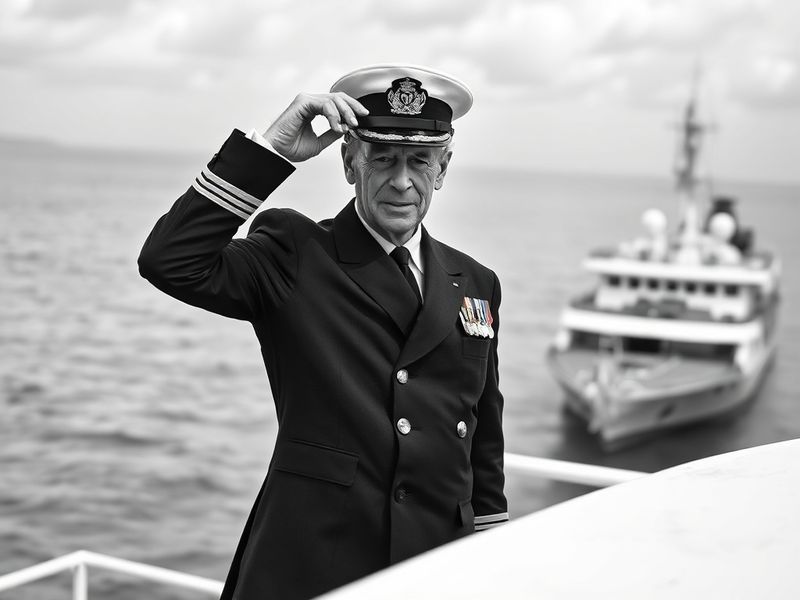
Military service was another cornerstone of his legacy. Philip served in the Royal Navy during World War II, a period that left a lasting impression on him. He brought that discipline to his role as the longest-serving consort in British history, ensuring the royal family maintained strong ties to the armed forces. His patronage of over 800 organizations—from wildlife conservation to scientific research—reflected his broad interests and commitment to public service.
A Global Perspective: Philip’s Influence Beyond Borders
Prince Philip’s impact was not confined to the United Kingdom. His travels took him to over 140 countries, where he served as a cultural ambassador. In Australia, he was a familiar figure during the 1980s and 1990s, often mediating disputes between the monarchy and the public. His relationship with the Commonwealth was particularly significant; he was a unifying presence, particularly in nations where the monarchy’s role was sometimes contentious.
His influence extended to diplomacy as well. Philip was known for his straightforward approach in meetings with world leaders, a trait that sometimes startled protocol-conscious officials. Yet, this directness often led to productive conversations. For example, his 1961 visit to India, where he engaged in discussions about conservation and cultural preservation, left a positive impression during a time of political tensions.
In the Caribbean, his legacy is more complicated. While he was respected for his dedication to service, his comments during a 2019 tour—where he suggested the region should “move on” from slavery—sparked backlash. The incident highlighted the complexities of his global role: a figure both revered and scrutinized through the lens of history.
Cultural Legacy: From Royal Protocol to Pop Culture
Prince Philip’s presence permeated British culture in ways both expected and surprising. His dry humor and occasional controversy made him a media darling. Memes, jokes, and even a Twitter account parodying his one-liners became staples of internet culture. Shows like The Crown dramatized his life, though often with creative liberties that sparked debate among historians and royal watchers alike.
Yet, his cultural footprint went deeper than headlines. He was an early advocate for environmental causes, long before sustainability became a global priority. In the 1960s, he warned about overpopulation and resource depletion, ideas that aligned with emerging ecological movements. His support for organizations like the World Wildlife Fund (WWF) helped legitimize conservation efforts in mainstream discourse.
Philip’s personal life also offered a rare glimpse into the pressures of royal duty. His marriage to Elizabeth II, which lasted over 70 years, was a rare constant in an ever-changing world. Their relationship, often described as a partnership of equals, defied traditional gender roles within the monarchy. While she remained the steadfast figurehead, he was her behind-the-scenes advisor, confidant, and occasional critic.
Challenges and Criticisms
No figure of Prince Philip’s stature escapes scrutiny. His comments on race, gender, and modernity sometimes drew criticism, reflecting the tensions of an era where tradition clashed with progress. In 1997, he allegedly referred to a British student as a “ginger nincompoop” in a private note, a remark that resurfaced years later as an example of his bluntness. Such incidents, while often taken out of context, fueled perceptions of him as an anachronistic figure.
His later years were marked by health struggles, including a 2017 hip replacement and a carriage accident that led to his withdrawal from public duties. These moments humanized him, revealing the vulnerabilities of a man who had dedicated his life to service. His death was met with an outpouring of tributes, not just in Britain but around the world, underscoring the global reach of his legacy.
Key Takeaways from His Life and Work
- Modernizing the monarchy: Philip’s efforts to make the royal family more relatable and transparent changed its public image.
- Youth and education: The Duke of Edinburgh’s Award remains one of his most enduring contributions to global youth development.
- Military and diplomatic ties: His service in the Royal Navy and engagements with Commonwealth nations strengthened international relationships.
- Cultural and environmental advocacy: Long before sustainability was a buzzword, Philip championed conservation and ecological awareness.
- Complex legacy: His bluntness and traditional views sometimes clashed with modern values, reflecting the challenges of balancing duty with evolution.
A Lasting Influence on the Royal Family
Prince Philip’s death marked the end of an era, but his legacy lives on in the institutions he helped shape. His eldest son, King Charles III, has inherited not just the throne but also the expectations of continuing his father’s work in modernizing the monarchy. Meanwhile, his grandchildren—Prince William and Prince Harry—have taken up his mantle in different ways, whether through environmental advocacy or military service.
For many, Philip’s greatest contribution was his ability to adapt without compromising his core values. He navigated the shifting sands of the 20th and 21st centuries with a mix of stoicism and pragmatism, leaving behind a monarchy that is both more resilient and more relevant. His life reminds us that legacy is not just about titles or traditions but about the impact one leaves on the world.
In an age where public figures are often reduced to soundbites, Prince Philip’s story stands out for its depth and complexity. He was a husband, a father, a sailor, a diplomat, and a reformer—a man whose life was defined not by titles but by service. As the world continues to grapple with questions of tradition and progress, his example offers a compelling blueprint for navigating the future.