Ramy Youssef: How Comedy and Authenticity Redefine Arab-American Stories
“`html
Ramy Youssef: How a Stand-Up Comedian Redefined Representation
Ramy Youssef isn’t just another voice in comedy. He’s a cultural architect who has reshaped how Arab-American stories are told in mainstream media. With a sharp wit and unflinching honesty, Youssef has carved out space for narratives that are often marginalized, blending humor with raw human experiences. His work on Ramy—Hulu’s critically acclaimed series—has not only entertained but also challenged audiences to confront their own biases and assumptions.
From Stand-Up to Screen: The Evolution of a Storyteller
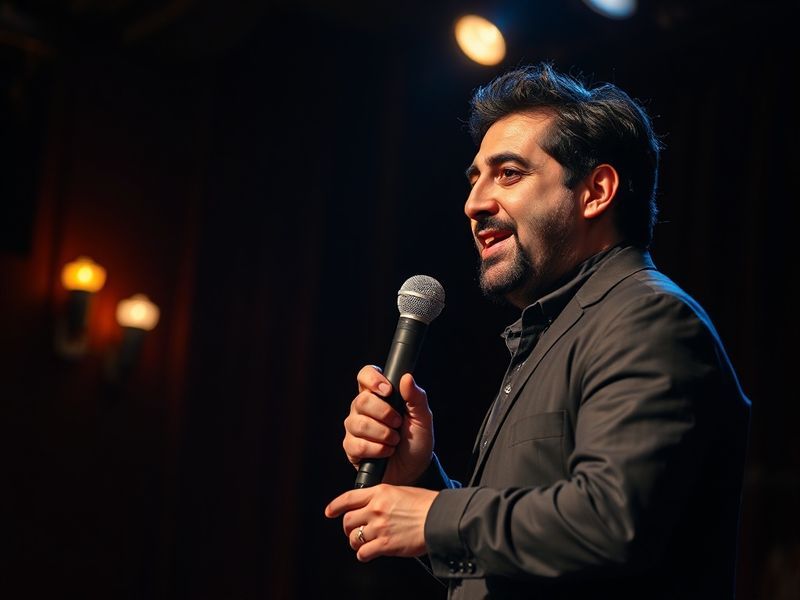
Youssef’s journey began in the unfiltered world of stand-up comedy. Born to Egyptian immigrant parents in New Jersey, he grew up navigating the complexities of identity between two cultures. His early performances on stages like Comedy Cellar in New York were raw, personal, and often brutally funny. Audiences connected with his ability to articulate the in-between spaces of being American and Arab, Muslim and secular, traditional and modern.
His breakout moment came with the 2019 Golden Globe win for Best Actor in a Television Series – Musical or Comedy for Ramy. At 28, he became the first Muslim-American actor to win a Golden Globe, a milestone that transcended entertainment. It signaled a shift in Hollywood’s willingness to embrace stories that reflect the diversity of its audience. Youssef’s comedy didn’t just make people laugh; it made them think, question, and sometimes squirm in recognition.
The transition from stand-up to television wasn’t seamless. Youssef initially hesitated to develop Ramy as a series, fearing that a sitcom format might dilute the authenticity of his experiences. Yet, his collaboration with co-creators like Ari Katcher and Ryan Welch resulted in a show that balanced humor with profound emotional depth. The series follows Ramy Hassan, a first-generation Egyptian-American struggling with faith, family, and self-identity, mirroring Youssef’s own life in many ways.
The Power of Authentic Representation in Ramy
Ramy stands out for its refusal to simplify its characters or their struggles. Unlike many shows that treat Arab-American experiences as monolithic, Youssef’s series embraces contradictions. Ramy is devout yet doubtful, progressive yet conflicted, and deeply flawed in ways that make him relatable. The show doesn’t shy away from controversial topics like Islamophobia, generational trauma, or the hypocrisy within immigrant communities.
One of the most compelling aspects of Ramy is its portrayal of Muslim characters who aren’t terrorists or sidekicks. They are fully realized individuals with dreams, failures, and complexities. Youssef’s writing ensures that even minor characters feel authentic, whether it’s his mother’s unyielding traditionalism or his sister’s struggle to reconcile her American upbringing with her family’s expectations.
The show’s second season introduced even more nuance, exploring Ramy’s relationship with his father and his journey toward self-acceptance. Youssef’s direction and writing have been praised for avoiding clichés, instead presenting stories that feel both specific and universal. It’s a testament to his belief that representation matters not just in visibility but in authenticity.
Beyond Comedy: Youssef’s Influence on Social and Political Discourse
Youssef’s impact extends beyond entertainment. He has become a vocal advocate for Arab-American rights, using his platform to address issues like Islamophobia and immigration policies. In interviews, he often speaks about the importance of normalizing Arab narratives in media, arguing that comedy can be a powerful tool for social change.
His 2020 stand-up special Mosque Talk tackled these themes head-on, blending humor with searing commentary on racism and political hypocrisy. The special was a masterclass in using levity to underscore serious issues, proving that comedy can bridge divides and foster empathy. Youssef’s approach is particularly effective because it disarms audiences with laughter before challenging their perspectives.
Youssef has also used his platform to support marginalized voices within the comedy community. He frequently collaborates with other Arab-American artists and has spoken out against industry gatekeeping that limits opportunities for underrepresented groups. His advocacy reflects a broader commitment to using his success as a means to uplift others, rather than just advancing his own career.
Challenges and Criticisms: Navigating the Complexities of Identity
Despite his success, Youssef hasn’t been immune to criticism. Some viewers argue that Ramy doesn’t go far enough in addressing systemic issues like racism or Islamophobia, instead focusing on individual struggles. Others have questioned whether the show’s humor sometimes trivializes serious topics, particularly when dealing with themes like mental health or religious trauma.
Youssef has addressed these critiques openly, acknowledging that no single story can capture the entire Arab-American experience. He emphasizes that Ramy is one perspective, not the definitive one, and that he welcomes diverse voices to share their own narratives. This humility has endeared him to many fans who appreciate his willingness to engage in dialogue rather than dismiss opposing views.
Another challenge Youssef faces is balancing authenticity with commercial appeal. As Ramy gains a broader audience, there’s always the risk of diluting its core message to cater to mainstream tastes. However, Youssef’s involvement in every aspect of the show—from writing to directing—suggests that he remains committed to staying true to his vision, even as the series evolves.
For those interested in exploring more about the intersection of comedy and cultural representation, check out our Entertainment and Culture sections for related articles and discussions.
The Future of Ramy Youssef: What’s Next?
As of 2024, Youssef shows no signs of slowing down. He continues to tour with stand-up performances, often incorporating new material that reflects current social and political climates. Fans can also expect more from Ramy, with discussions of a potential third season already underway. Youssef has hinted that future seasons might explore new settings, such as Ramy’s experiences abroad or deeper dives into his family’s history.
Beyond television, Youssef has expressed interest in branching into film, potentially writing and directing his own projects. Given his knack for storytelling and his ability to balance humor with emotional depth, the transition to cinema seems inevitable. His work could pave the way for more Arab-American filmmakers and actors to take creative control of their narratives.
Youssef’s influence also extends to the next generation of comedians. He frequently mentors young artists from underrepresented backgrounds, offering guidance on navigating the entertainment industry. His success has proven that authenticity is not just a buzzword but a viable path to success in Hollywood.
In a media landscape often dominated by formulaic storytelling, Ramy Youssef stands out as a rare talent who combines humor, heart, and honesty. His work challenges audiences to confront uncomfortable truths while reminding them of the power of laughter to heal and connect. As he continues to evolve as an artist and advocate, one thing is clear: Youssef isn’t just a comedian. He’s a force for change.
Key Takeaways from Ramy Youssef’s Career
- Authentic Representation: Youssef’s work prioritizes genuine, multi-dimensional portrayals of Arab-American experiences, avoiding stereotypes and clichés.
- Cultural Impact: His Golden Globe win marked a significant milestone for Muslim-American representation in Hollywood.
- Social Advocacy: Youssef uses his platform to address issues like Islamophobia and immigration, blending comedy with activism.
- Industry Influence: He actively supports and mentors other underrepresented artists, fostering a more inclusive creative community.
For more insights into how comedy shapes cultural narratives, explore our Analysis section, where we break down the intersection of humor and society.