What Is Tornado Alley and Why Does It Exist?
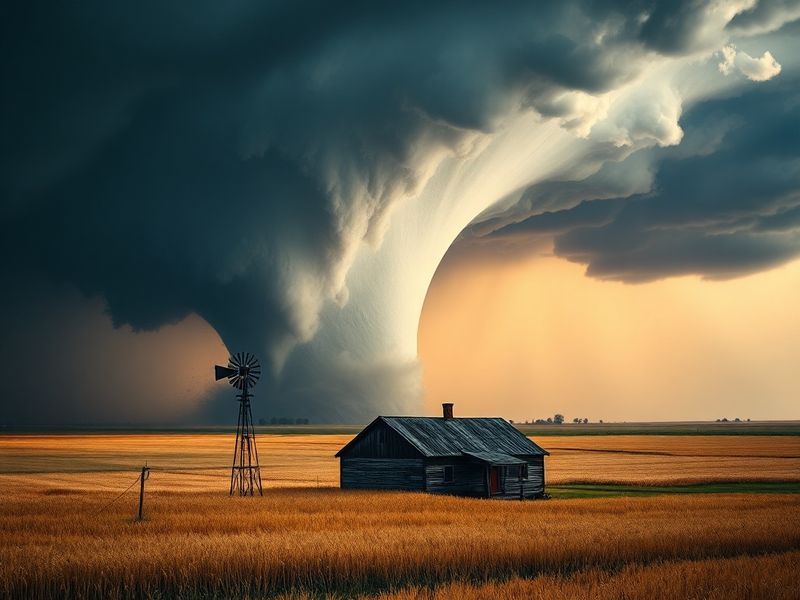
Tornado Alley is not a formally defined region, but it generally refers to an area in the central United States where tornadoes occur with notable frequency and intensity. The boundaries shift depending on the source, but most maps include parts of Texas, Oklahoma, Kansas, Nebraska, South Dakota, Iowa, Missouri, Arkansas, and Louisiana. The concept emerged in the mid-20th century as meteorologists observed a recurring pattern of destructive storms across this corridor.
The geographic and atmospheric conditions that define Tornado Alley are rooted in geography and climate. Warm, moist air from the Gulf of Mexico collides with cool, dry air from Canada and the Rocky Mountains. This collision, combined with strong jet streams, creates an environment ripe for severe thunderstorms and tornado formation. The flat terrain of the Great Plains allows storms to develop without significant topographic interference, enabling them to intensify and persist.
The Human Impact: Communities in the Path of Destruction
Living in Tornado Alley means living with constant vigilance. Residents have developed a culture of preparedness that includes storm shelters, sirens, and regular tornado drills in schools and workplaces. The psychological toll is real—many people experience tornado fatigue, where repeated warnings lead to desensitization over time. Yet, resilience runs deep. Communities often rally together after a storm, with neighbors helping to clear debris and rebuild homes.
Culturally, Tornado Alley has shaped regional identity. The annual news coverage of tornado season has cemented the area’s reputation as a hotspot for extreme weather. Local media outlets play a crucial role in broadcasting warnings and sharing recovery stories. This cycle of warning, impact, and recovery has become a defining narrative for communities across the Great Plains.
Disaster tourism has also emerged in Tornado Alley, with storm chasers and film crews traveling from across the country to document tornadoes. While some residents appreciate the economic boost, others resent the disruption and danger that outsiders bring. This tension reflects a broader global phenomenon where extreme weather becomes both a local tragedy and a spectacle for the wider world.
Global Perspectives: Tornadoes Beyond the American Heartland
Tornado Alley is not unique. Similar storm corridors exist around the world, though none are as well-documented as the American version. In South America, northern Argentina and southern Brazil experience frequent tornadoes, forming a corridor known as “South America’s Tornado Alley.” The region’s topography, with the Andes to the west and open plains to the east, creates ideal conditions for severe storms.
In Europe, tornadoes are less frequent but still occur, particularly in the United Kingdom and northern Italy. The UK experiences more tornadoes per square mile than the United States, though they are typically weaker. In Bangladesh and eastern India, tornadoes are more violent and deadly due to high population density and inadequate warning systems. The 1989 Manikganj tornado in Bangladesh remains one of the deadliest in history, killing over 1,300 people.
These global tornado corridors highlight a shared vulnerability to extreme weather. While the United States has advanced warning systems and infrastructure to mitigate damage, many countries lack the resources to protect their populations. The contrast underscores the role of socioeconomic factors in disaster resilience—a theme that resonates far beyond Tornado Alley.
How Climate Change May Be Reshaping Tornado Patterns
Scientists are studying whether climate change is altering the frequency and intensity of tornadoes in Tornado Alley. Warmer temperatures can increase the moisture available for storms, potentially fueling more intense tornadoes. However, the relationship is complex. Some research suggests that the traditional tornado season—spring and early summer—may be shifting later in the year, while outbreaks could become more erratic.
One study published in Climate Dynamics found that the number of tornadoes in the southern United States has increased in recent decades, while the traditional Tornado Alley in the Great Plains has seen a slight decline. This shift could redefine where tornadoes occur, forcing communities to adapt to new risks. The changing patterns also raise questions about insurance models, emergency preparedness, and urban planning in vulnerable regions.
Technology and Preparedness: The Future of Tornado Alley
Advancements in technology are transforming how Tornado Alley prepares for and responds to tornadoes. Doppler radar systems, such as the WSR-88D network operated by the National Weather Service, provide real-time data on storm development. Mobile apps and emergency alert systems now deliver warnings directly to smartphones, reducing reliance on outdoor sirens. Social media platforms also play a role, with residents sharing updates and images during storms.
Storm chasing has evolved from a niche hobby into a data-driven science. Meteorologists and researchers use drones, high-resolution cameras, and mobile weather stations to gather data on tornado formation. Projects like the VORTEX field campaigns have improved our understanding of how tornadoes develop, leading to more accurate forecasting models. These innovations are gradually extending lead times for warnings, giving communities precious extra minutes to seek shelter.
However, technology alone cannot eliminate risk. Many homes in Tornado Alley still lack storm shelters, and poverty often dictates who can afford protective measures. Addressing these disparities requires a combination of policy, education, and community investment. The future of Tornado Alley will depend not just on better forecasts, but on equitable access to safety resources.
Conclusion: Living with the Storm
Tornado Alley is more than a geographic region—it is a testament to human resilience in the face of nature’s unpredictability. The storms that define this area have shaped its culture, tested its communities, and driven innovation in weather science. Yet, as climate patterns shift and populations grow, the challenges will only intensify.
The story of Tornado Alley is a microcosm of global climate vulnerability. It reminds us that extreme weather is not confined to one region or country. Whether in the heartland of America or the plains of Bangladesh, the need for preparedness, education, and international cooperation has never been greater. As technology advances, so too must our commitment to safeguarding lives—before the next storm forms on the horizon.