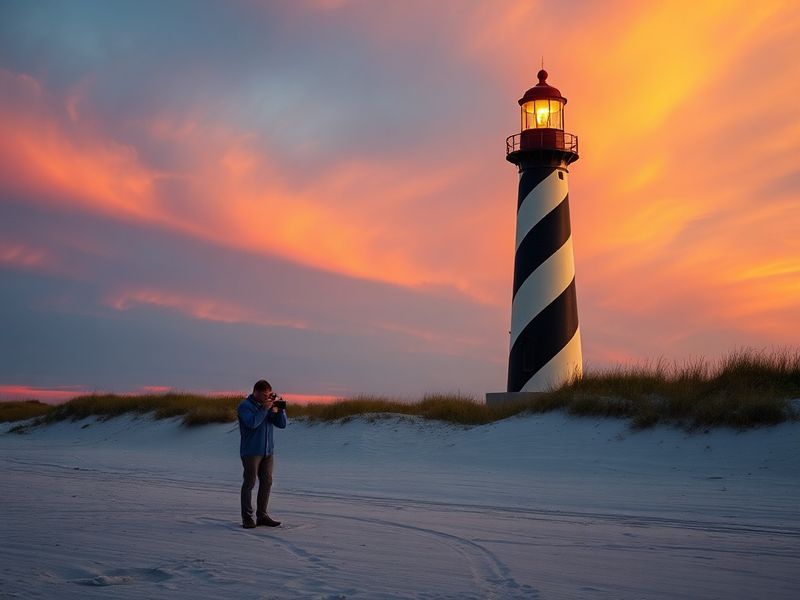
Tybee Island, a slender barrier island off Georgia’s coast, has long been a retreat for Southerners seeking respite from the heat. But its allure extends far beyond the American South. With its lighthouse standing sentinel over the Atlantic, miles of sandy shores, and a laid-back vibe, the island has quietly carved out a niche in the global tourism landscape. Its proximity to Savannah—just 18 miles east—adds another layer of appeal, blending history, nature, and modern leisure into a single destination.
Unlike more commercialized coastal hotspots, Tybee retains a sense of authenticity. The island’s charm lies in its contradictions: a place where historic forts share space with surf shops, and where the rhythms of local life sync with the tides. This balance has made it a favorite among travelers from Europe, South America, and beyond, who arrive seeking both adventure and tranquility.
The History Beneath the Sand
Tybee’s story begins long before European settlers arrived. Indigenous peoples, including the Guale tribe, once fished its waters and gathered its oysters. By the 16th century, Spanish explorers established missions in the region, leaving behind a legacy that still echoes in the island’s cultural fabric. The name “Tybee” itself is believed to derive from a Native American word, though its exact origin remains debated among historians.
The island’s strategic importance became undeniable in the 18th and 19th centuries. Fort Screven, built in the late 1800s, stands as a testament to Tybee’s role in coastal defense. Today, the fort’s surviving structures—including the hauntingly beautiful Tybee Island Light Station—offer a window into the past. The lighthouse, first lit in 1736 and rebuilt multiple times, is one of America’s oldest still in operation. Its black-and-white stripes are instantly recognizable, a symbol not just of Tybee but of Georgia’s maritime heritage.
For those interested in the intersection of history and tourism, Tybee offers guided tours that delve into its military past and the evolution of its maritime traditions. The island’s museums, like the Tybee Island Marine Science Center, further bridge the gap between past and present, educating visitors on the delicate ecosystems that have shaped Tybee’s identity.
A Global Getaway with Local Roots
Tybee’s appeal to international travelers is rooted in its ability to offer something for everyone. Europeans, particularly from the UK and Germany, are drawn to its walkable beaches and historic sites. South Americans, especially Argentinians and Brazilians, flock to Tybee for its surf culture and laid-back atmosphere, which contrasts sharply with the bustling cities they call home. Meanwhile, Canadians and Australians see it as a quintessential American escape—a place where small-town charm meets oceanfront relaxation.
The island’s culinary scene reflects this diversity. While seafood shacks serve up classic Lowcountry dishes like shrimp and grits, international influences have crept in. Italian trattorias, Mexican taquerias, and even a few Caribbean-inspired eateries now dot Tybee’s main drag. This fusion cuisine mirrors the island’s broader cultural exchange, where global visitors leave their mark even as they embrace the local way of life.
Tybee’s annual events also highlight its international flair. The Tybee Island Pirate Festival, for example, attracts swashbuckling enthusiasts from around the world, while the island’s oyster roasts and music festivals draw crowds from neighboring states and beyond. These gatherings are less about spectacle and more about community—a trait that resonates with travelers tired of over-commercialized destinations.
What to Do on Tybee Island
For those planning a visit, Tybee offers a mix of activities that cater to different interests. Here’s a quick guide to making the most of a trip:
- Beachcombing and Wildlife: Tybee’s beaches are prime spots for spotting dolphins, loggerhead turtles, and a variety of seabirds. Early mornings are ideal for quiet walks along the shore.
- Historical Exploration: Visit the Tybee Island Light Station and Museum to learn about the island’s maritime history. Don’t miss the nearby Fort Screven’s ruins, which offer a glimpse into its military past.
- Water Adventures: Rent a kayak or paddleboard to explore the tidal creeks, or book a deep-sea fishing charter for a chance at catching redfish, flounder, or even mahi-mahi.
- Local Eats: Stop by The Crab Shack for waterfront dining, or grab a bite at North Beach Bar & Grill, where live music and ocean views go hand in hand.
- Sunset Views: Head to the pier at the end of Tybrisa Street for breathtaking views as the sun dips below the horizon. It’s a simple pleasure that never fails to impress.
Tybee in the Context of Global Coastal Tourism
Tybee Island is part of a broader trend in coastal tourism, where travelers increasingly seek destinations that prioritize sustainability and authenticity over mass-market appeal. Unlike places like Miami or Myrtle Beach, Tybee has avoided overdevelopment, thanks in part to strict zoning laws and a community that values preservation. This approach has earned it accolades from organizations like the World Wildlife Fund, which recognizes Tybee’s efforts to protect its delicate ecosystems.
The island’s commitment to sustainability is evident in its eco-friendly initiatives. The Tybee Island Marine Science Center, for instance, runs programs to rehabilitate sea turtles and educate visitors on coastal conservation. Meanwhile, local businesses are adopting practices like reducing single-use plastics and sourcing ingredients locally to minimize their environmental footprint.
Tybee also stands out for its accessibility. Unlike some barrier islands that require ferries or private boats, Tybee is easily reachable by car, making it an attractive option for road-trippers exploring the American Southeast. Its proximity to Savannah International Airport further enhances its appeal for international visitors looking to combine city and beach experiences.
As climate change reshapes coastal landscapes worldwide, Tybee faces its own challenges. Rising sea levels and stronger storms threaten the island’s long-term viability, prompting local officials to invest in resilience projects like sand dune restoration and elevated infrastructure. These efforts are a reminder that even the most idyllic destinations must adapt to a changing world.
A Place to Return To
Tybee Island may be small, but its impact is outsized. For many visitors, it’s not just a stop on a road trip but a destination to which they return year after year. There’s something about the island’s pace—unhurried, unpretentious—that lingers in the memory long after the tan lines fade.
The island’s ability to balance tradition with modernity is perhaps its greatest strength. While Tybee embraces the digital age with free public Wi-Fi and social media-friendly photo ops, it never loses sight of what makes it special: its people, its history, and its natural beauty. In an era where travel often feels transactional, Tybee offers something rarer—a sense of connection.
Whether you’re drawn by the allure of the Atlantic, the charm of its historic sites, or the simple joy of a seafood dinner with your toes in the sand, Tybee Island delivers. It’s a place where the world feels a little smaller, and the stresses of everyday life drift away with the tide.
Explore more coastal escapes and travel tips on Dave’s Locker Travel section.
For a deeper dive into American history, check out our Culture category.