cardinals
“`html
The Cardinals: America’s Most Recognizable Bird
The Northern Cardinal, with its vibrant red plumage and distinctive crest, stands as one of North America’s most iconic birds. Easily recognized by both casual birdwatchers and seasoned ornithologists, this species has become a cultural symbol and a favorite among backyard bird enthusiasts. Unlike many birds that migrate south for winter, the cardinal remains a year-round resident across much of the eastern United States, offering consistent beauty regardless of season.
Native to North America, the cardinal’s range stretches from southern Canada through the eastern United States and into Mexico. Its adaptability to various habitats—from dense woodlands to suburban gardens—has contributed to its widespread presence. The male cardinal’s bright red feathers serve multiple purposes: attracting mates during breeding season and establishing territory. Meanwhile, the female, though less conspicuous with her brown and red tones, plays an equally important role in nesting and rearing their young.
The Cardinal’s Physical Characteristics and Behavior
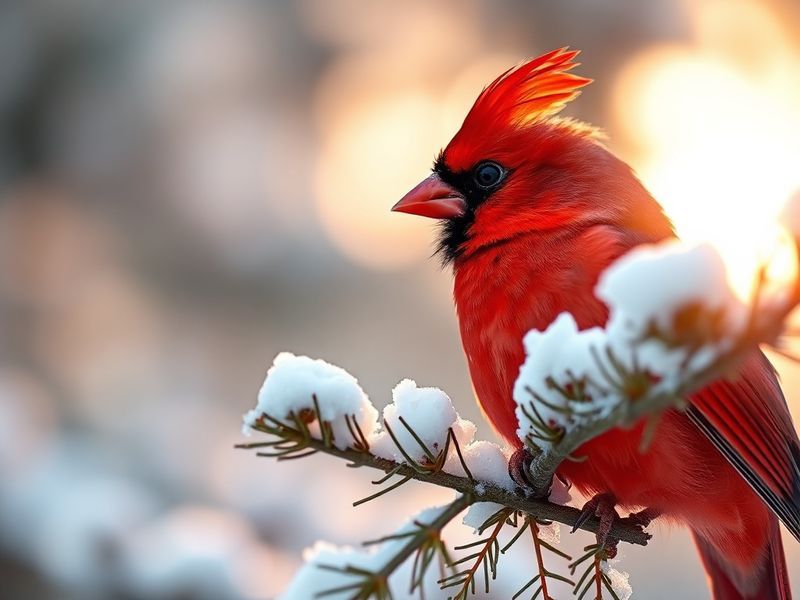
Male cardinals are striking with their crimson feathers, black face masks, and prominent crests that give them a regal appearance. Their bright coloration comes from carotenoid pigments in their diet, which they metabolize into vibrant red hues. Females, though less colorful, possess a subtle beauty with soft brown feathers tinged with red on their wings, tail, and crest. Both sexes have strong, conical beaks perfectly adapted for cracking seeds, their primary food source.
Cardinals are known for their melodious, whistling songs, which consist of clear, repetitive phrases that can be heard throughout the day, even in winter. Unlike many birds, both males and females sing, with the females often using their songs to communicate with mates or defend territory. Their calls are so distinctive that birdwatchers can often identify their presence by sound alone before spotting them visually.
Their behavior is equally notable. Cardinals are territorial birds, with males aggressively defending their space year-round. This territorial nature extends to their feeding habits, as they often dominate bird feeders, chasing away other species. Their courtship rituals are equally fascinating, involving the male feeding the female seeds and performing elaborate flight displays. Once paired, cardinals often mate for life, reinforcing their reputation as symbols of devotion and partnership.
Diet and Habitat Preferences
Cardinals are primarily granivorous, with seeds making up about 90% of their diet. They favor sunflower seeds, safflower seeds, and millet but will also consume insects during the breeding season to provide protein for their nestlings. Their strong beaks allow them to crack open even the toughest seeds, and they often forage on the ground or in low shrubs rather than high in trees.
These birds thrive in areas with dense shrubbery and thickets, which provide both food and shelter. Suburban and urban areas with well-maintained gardens often attract cardinals, especially when bird feeders are provided. They prefer edge habitats—zones where woodlands meet open spaces—which offer both cover and foraging opportunities. Their adaptability to human-altered landscapes has contributed to their increasing presence in residential areas over the past century.
In natural settings, cardinals nest in shrubs or low trees, building cup-shaped nests from twigs, grass, and leaves. The female constructs the nest while the male stands guard nearby. Clutch sizes typically range from two to five eggs, which are incubated by the female for about 11-13 days. Both parents feed the hatchlings, which fledge after about 9-11 days but may remain dependent on their parents for several more weeks.
Cultural Significance and Symbolism
The cardinal holds a special place in American culture, often associated with vitality, hope, and renewal. Its bright red color has made it a popular mascot for sports teams, schools, and organizations, most notably the St. Louis Cardinals baseball team. The bird’s year-round presence has also tied it to themes of endurance and resilience, particularly during winter months when its vibrant color stands out against the muted landscape.
In religious and spiritual contexts, the cardinal is sometimes seen as a messenger or symbol of spiritual guidance. Its bold coloration and persistent song have led some to believe it carries messages from loved ones who have passed away. Native American traditions also revere the cardinal, with some tribes considering it a symbol of vitality and renewal due to its striking appearance and lively song.
Literature and folklore frequently feature the cardinal as a symbol of hope and constancy. Poets and writers have used its image to evoke themes of perseverance and the beauty of nature. Its presence in backyard gardens has made it a familiar companion for millions, fostering a sense of connection to the natural world even in urban environments.
Conservation Status and Threats
Despite their adaptability, cardinals face several challenges that could impact their populations in the long term. Habitat loss due to urbanization and deforestation remains a concern, particularly in areas where natural shrublands are converted to agricultural or residential use. Climate change also poses a threat, as shifting weather patterns may alter the availability of their preferred foods or nesting sites.
Predation is another significant factor, with eggs and nestlings vulnerable to snakes, squirrels, and domestic cats. Window collisions, a common hazard for many bird species, also affect cardinals, particularly in urban areas with high concentrations of reflective glass. However, their adaptability to human-altered landscapes provides some protection, as they often thrive in suburban environments where natural predators are less prevalent.
Conservation efforts for cardinals focus on habitat preservation and creating bird-friendly spaces. Providing native plants, especially those that produce seeds or berries, can support local cardinal populations. Reducing pesticide use also helps ensure a steady supply of insects for nestlings. Bird enthusiasts can contribute by installing bird feeders filled with high-quality seeds and keeping feeders clean to prevent disease transmission.
While the Northern Cardinal is not currently considered at risk, monitoring its populations and addressing local threats remains important. Citizen science projects, such as the Great Backyard Bird Count, rely on public participation to track cardinal sightings and trends. These efforts help researchers understand population dynamics and identify areas where conservation actions are needed.
How to Attract Cardinals to Your Backyard
For those eager to welcome cardinals into their outdoor spaces, there are several effective strategies. The most important step is providing a reliable food source. Black oil sunflower seeds are a favorite, but safflower seeds can also attract cardinals while deterring squirrels and some less desirable birds. Platform feeders or ground trays work well, as cardinals prefer to feed at lower levels.
Water is another essential element. A birdbath or shallow water feature will not only provide drinking water but also attract cardinals for bathing. Place the water source in a quiet, sheltered location to make the birds feel safe. Cardinals also appreciate dense shrubs or brush piles where they can hide from predators and inclement weather.
The timing of your efforts matters too. Cardinals are year-round residents, so maintaining food and water sources throughout the winter is particularly beneficial. During the breeding season, offering mealworms or suet can provide extra protein for nestlings. Avoid using pesticides in your garden, as this ensures a healthy insect population for the birds to feed on.
Patience is key when attracting cardinals. They may take time to discover new food sources, especially in areas where they are not yet established. Once they find a reliable spot, they often return year after year, becoming a familiar and welcome presence in your backyard.
Common Misconceptions About Cardinals
Despite their popularity, several misconceptions about cardinals persist. One common belief is that the male cardinal turns red only in the spring or summer, when in reality, its vibrant coloration is a year-round feature. The intensity of the red may vary slightly depending on diet and health, but the bird remains brightly colored throughout the year.
Another myth is that cardinals mate for life without exception. While they often form long-term pair bonds, divorces do occur if a pair fails to successfully raise offspring or if one partner dies. Cardinals are also not strictly monogamous, as extra-pair copulations have been documented in some populations.
Finally, some people assume that cardinals are aggressive only toward other birds. While they do defend their territory vigorously, cardinals can also become territorial toward their own reflection in windows or mirrors, repeatedly attacking the glass in an attempt to drive away the perceived intruder.
Conclusion: The Cardinal’s Enduring Appeal
The Northern Cardinal’s combination of striking beauty, melodious song, and adaptability has cemented its place as a beloved symbol of the natural world. Whether perched on a snow-covered branch in winter or flitting through a summer garden, the cardinal brings a sense of vibrancy and constancy to its surroundings. Its presence serves as a reminder of the resilience of nature and the simple joys found in observing wildlife.
For bird enthusiasts, the cardinal represents more than just a visually appealing species—it embodies the connection between humans and the natural world. By creating welcoming habitats and supporting conservation efforts, we can ensure that future generations will continue to enjoy the sight and sound of this iconic bird. In an era where urbanization and environmental challenges threaten many species, the cardinal stands as a testament to nature’s ability to thrive alongside human development.
As we continue to share our spaces with wildlife, the cardinal’s story offers a hopeful narrative. Its adaptability, beauty, and cultural significance remind us of the importance of preserving and celebrating the natural world, one backyard at a time.
—
METADATA
{
“title”: “Northern Cardinals: America’s Iconic Red Birds Explained”,
“metaDescription”: “Learn about the Northern Cardinal’s vibrant red plumage, year-round presence, and cultural significance in North America.”,
“categories”: [“Nature”, “Science”],
“tags”: [“Northern Cardinal”, “backyard birds”, “birdwatching”, “wildlife conservation”, “ornithology”],
“imageDescription”: “A bright red male Northern Cardinal perched on a snow-dusted branch, with a female cardinal in soft brown and red tones nearby. The scene shows a winter garden with evergreen shrubs and a bird feeder in the background, capturing the vibrant contrast of the birds against the muted landscape.”
}
—END METADATA—
“`