Fire Weather Watch: What It Means and How to Stay Safe
“`html
Understanding Fire Weather Watches: Risks and Precautions
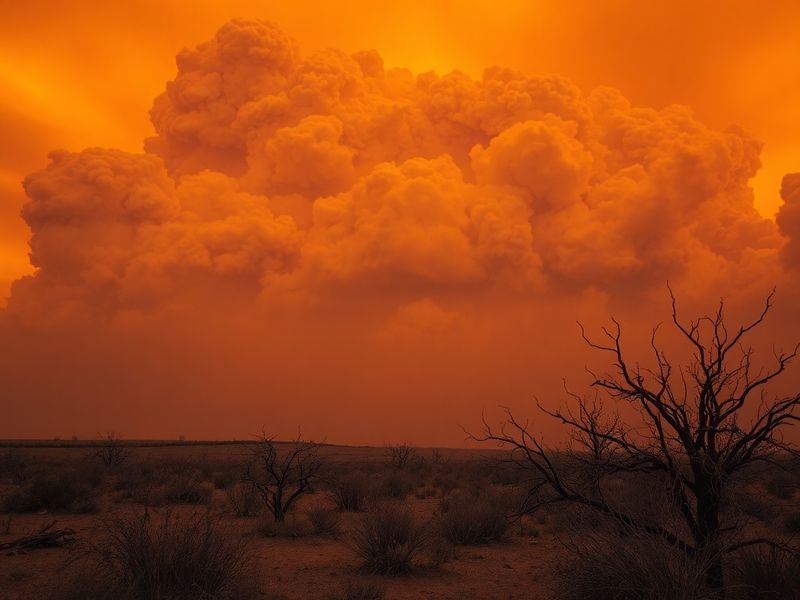
When dry conditions, high temperatures, and strong winds converge, the risk of wildfires escalates rapidly. A Fire Weather Watch serves as an early warning from the National Weather Service (NWS) to alert communities about these dangerous conditions before flames ignite. Unlike a fire weather warning—which signals imminent danger—this watch indicates a plausible scenario where weather factors could lead to extreme fire behavior within the next 24 to 72 hours.
These alerts are not issued lightly. They are based on data from weather models, fuel moisture levels, and historical fire activity. The goal is to give emergency responders, land managers, and residents time to prepare, evacuate if necessary, and reduce ignition risks through proactive measures. The increasing frequency of these watches in recent years reflects broader shifts in climate patterns and land use.
How Fire Weather Watches Are Issued
Fire Weather Watches are part of a tiered system that begins with fire weather outlooks and escalates to warnings as conditions deteriorate. The process starts with forecasters analyzing atmospheric data for three critical factors: relative humidity below 25%, sustained winds of 20 mph or higher, and temperatures exceeding 75°F. When these thresholds are projected to occur simultaneously, a Fire Weather Watch is typically issued.
Local NWS offices coordinate with state forestry agencies and incident command teams to validate the threat. For example, during the 2023 Canadian wildfire season, Fire Weather Watches were issued across multiple provinces weeks before the fires reached U.S. borders, allowing for cross-border coordination. In California, these watches often precede Red Flag Warnings, which denote even higher risk levels.
The criteria can vary by region. In the Southwest, where monsoon rains bring brief moisture, watches may be triggered by drier-than-average periods. Meanwhile, in the Pacific Northwest, extended dry spells after a wet winter can create prime conditions for rapid fire spread. Understanding local thresholds is essential for residents and firefighters alike.
Regions Most Affected by Fire Weather Watches
While wildfires can occur anywhere, certain areas are more prone to the specific weather patterns that lead to Fire Weather Watches. The Western United States remains the most vulnerable, particularly during late summer and early fall when seasonal winds like the Santa Ana and Diablo winds interact with drought-stricken vegetation.
According to the National Interagency Fire Center (NIFC), California, Oregon, and Washington consistently top the list for Fire Weather Watch issuances. In 2022 alone, over 7.5 million acres burned across the U.S., with a significant portion occurring in these states during periods covered by weather alerts.
Other high-risk regions include:
- Alaska: Rapidly warming temperatures and lightning strikes during dry summers create ideal conditions for large-scale fires.
- Texas: Strong frontal systems and low humidity in the western part of the state often lead to Fire Weather Watches during spring and fall.
- Rocky Mountains: High elevations with dense pine forests are susceptible to wind-driven fires, especially during drought years.
- Southeastern U.S.: While less frequent, extended dry periods in states like Florida and Georgia can still trigger watches, particularly during La Niña years.
These regions share common traits: seasonal wind patterns, dense vegetation, and increasing climate variability. As temperatures rise and precipitation patterns shift, even traditionally wetter areas are seeing more frequent fire weather alerts.
The Human and Environmental Toll
Fire Weather Watches are not just technical alerts—they represent real threats to lives, property, and ecosystems. The 2018 Camp Fire in Paradise, California, was preceded by a Fire Weather Watch that warned of critical conditions. Despite evacuations, 85 people lost their lives when the fire overwhelmed the town in under four hours. The disaster highlighted how quickly conditions can change when watch criteria are met.
Beyond human casualties, these fires have long-term ecological consequences. Native plant species adapted to periodic burns may struggle to recover in areas experiencing more frequent fire weather. Soil erosion increases after fires, leading to landslides in subsequent rainy seasons. Air quality also deteriorates, affecting millions of people downwind from large wildfires. In 2020, smoke from West Coast fires traveled across the continent, triggering air quality alerts in the Midwest and East Coast.
Economically, the cost of wildfire suppression and recovery has skyrocketed. The U.S. Forest Service now spends over half its annual budget on fire management, a shift from previous decades when fire suppression accounted for a smaller portion. Fire Weather Watches play a role in these expenses by prompting early mobilization of resources, including aircraft, crews, and equipment.
Preparing for a Fire Weather Watch
When a Fire Weather Watch is issued for your area, acting quickly can save lives and property. The first step is to stay informed through reliable sources like the NWS, local emergency management, and outdoor recreation sites that monitor fire risks for hikers and campers. Sign up for community alert systems and know your evacuation routes in advance.
At home, take immediate steps to reduce fire risk:
- Clear dry vegetation within 30 feet of structures.
- Move flammable items like firewood and patio furniture away from buildings.
- Check that gutters and roofs are free of leaves and debris.
- Review your family’s evacuation plan and ensure everyone knows where to meet.
For outdoor enthusiasts, Fire Weather Watches often lead to restrictions on campfires, fireworks, and off-road vehicle use. Check local fire danger ratings before heading into the backcountry. If you’re camping, consider bringing a portable stove instead of building a fire, and always have a way to quickly douse flames.
Land managers and firefighters use watches to pre-position resources. Controlled burns may be postponed, and crews are placed on standby. In some cases, temporary restrictions on logging or other activities are implemented to reduce ignition risks. Public awareness campaigns during watch periods often emphasize the dangers of sparks from equipment, cigarettes, and target shooting.
Climate Change and the Future of Fire Weather Watches
The relationship between climate change and wildfire risk is well-documented. Rising global temperatures contribute to longer fire seasons, drier fuels, and more frequent extreme weather events. According to the U.S. Global Change Research Program, the number of days with high fire potential has increased by up to 60% in some Western regions since the 1980s.
This trend suggests that Fire Weather Watches may become more common in areas previously considered low-risk. The Great Lakes region, for example, has seen an uptick in watch issuances in recent years, a shift attributed to warming temperatures and increased drought frequency. Even traditionally humid states like Louisiana are developing drier microclimates that elevate fire risk.
Adapting to this new reality requires both policy changes and individual preparedness. Governments are investing in fire-resistant building materials, expanding shaded fuel breaks, and enhancing early warning systems. Meanwhile, communities are adopting Firewise USA® programs, which teach residents how to create defensible spaces around their homes.
The future of Fire Weather Watches will depend on how effectively society addresses climate change and implements proactive fire management strategies. For now, these alerts remain a critical tool in mitigating the growing threat of wildfires, serving as a reminder that preparation and awareness can make all the difference when conditions turn dangerous.
Conclusion
Fire Weather Watches are more than just weather bulletins—they are lifelines in an era of increasing fire risk. By understanding how they are issued, where they are most likely to occur, and what actions to take when one is declared, individuals and communities can better protect themselves and their environments. As climate patterns evolve, these watches will likely play an even larger role in wildfire prevention and response strategies.
The key to resilience lies in preparation. Whether you live in a high-risk region or plan to visit one, staying informed and taking proactive steps can reduce the impact of wildfires before they start. Fire Weather Watches are not alarmist—they are essential tools for survival in a changing world.