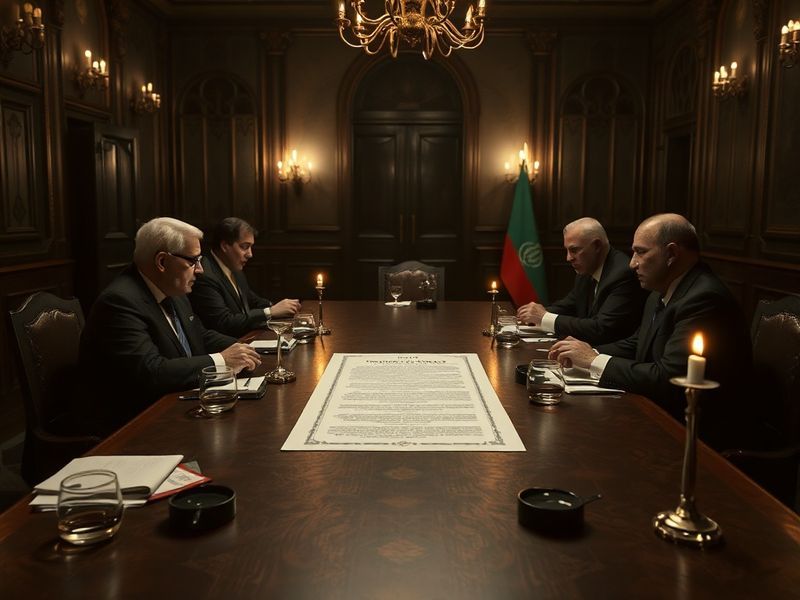
The announcement of a potential Iran war peace deal has sent ripples through global diplomacy, military strategy, and economic markets. After years of escalating tensions, indirect negotiations between Iran and Western powers have reached a critical juncture. The proposed agreement aims to curb Iran’s nuclear program in exchange for sanctions relief, but the road to finalization remains fraught with obstacles.
What’s in the Proposed Iran Peace Deal?
The framework of the agreement, as outlined in recent diplomatic leaks and official statements, includes several key components. While full details remain classified, the broad strokes suggest a phased approach to de-escalation:
- Nuclear Constraints: Iran would agree to freeze uranium enrichment at current levels, allow increased inspections by the International Atomic Energy Agency (IAEA), and dismantle certain advanced centrifuges.
- Sanctions Relief: The U.S. and EU would lift select economic sanctions, particularly those targeting Iran’s oil exports and banking sector, in exchange for verified compliance.
- Regional Security Measures: A tentative agreement includes commitments from Iran to reduce military support for proxy groups in Yemen, Syria, and Lebanon, though enforcement mechanisms remain vague.
- Prisoner Swaps: As a confidence-building measure, the deal includes the release of several detained foreign nationals in Iran and Iranian officials held abroad.
Negotiators have emphasized that the deal is not yet finalized. Key sticking points include the timeline for sanctions removal, the scope of Iran’s nuclear concessions, and the extent of international oversight. Critics argue that the proposed terms do not go far enough to prevent Iran from eventually resuming its nuclear ambitions, while supporters contend that the deal buys critical time for further diplomacy.
Geopolitical Implications: Who Gains and Who Loses?
The ripple effects of a potential Iran peace deal extend far beyond Tehran and Washington. Regional powers, global energy markets, and military alliances are all recalibrating their strategies in response to the shifting landscape.
For Iran: A successful deal could breathe new life into its sanctions-battered economy, allowing for increased oil exports and foreign investment. However, hardliners within the Iranian government may resist compromises, fearing domestic backlash and undermining their political influence.
For the U.S. and Europe: A deal would be a diplomatic victory for the Biden administration, which has prioritized re-engagement with Iran over the Trump-era “maximum pressure” policy. European allies, particularly France and Germany, have pushed for a negotiated solution to prevent further destabilization in the Middle East.
For Regional Rivals: Israel and Saudi Arabia have publicly expressed skepticism about the deal’s ability to curb Iran’s regional influence. Both countries may seek to bolster their own security arrangements, including potential new defense pacts with the U.S., to counterbalance perceived Iranian gains.
For Global Markets: A reduction in tensions could stabilize oil prices, which have fluctuated amid fears of supply disruptions. However, if the deal collapses, the risk of renewed conflict or sanctions could drive prices higher, particularly in energy-dependent economies.
Challenges and Uncertainties Ahead
Despite the optimism surrounding the talks, significant hurdles remain. The most immediate challenge is political: can the deal withstand opposition from hardliners in Iran, as well as skepticism from U.S. lawmakers and regional allies?
Another concern is enforcement. Past agreements, such as the 2015 Joint Comprehensive Plan of Action (JCPOA), collapsed in part due to disagreements over compliance. This time, negotiators are reportedly exploring stricter verification protocols, including real-time monitoring of Iran’s nuclear facilities and snapback sanctions in case of violations.
There is also the question of timing. With Iran’s presidential election looming, political dynamics in Tehran could shift dramatically. A victory for hardline candidates could derail negotiations, while a moderate win might accelerate the deal’s progress.
Finally, the broader geopolitical context cannot be ignored. The war in Ukraine, U.S.-China tensions, and the ongoing Israel-Palestine conflict all add layers of complexity to the negotiations. Any misstep in the Iran talks could have cascading effects on global stability.
What’s Next for the Iran Peace Deal?
The coming weeks will be critical. Negotiators are reportedly finalizing the technical details, with plans to present a draft agreement to key stakeholders for review. If successful, the deal could be signed by the end of the year, though implementation would likely unfold gradually over several months.
For now, all eyes are on the negotiating teams. Will they bridge the remaining gaps, or will the deal collapse under the weight of political and regional rivalries? One thing is certain: the stakes could not be higher.
For those following the story closely, staying informed means tracking not just the headlines, but the behind-the-scenes maneuvering that will shape the final outcome. Whether this deal ultimately succeeds or fails, its impact will be felt across the globe for years to come.
To dive deeper into the geopolitical implications of this deal, explore our Politics and Analysis sections for expert commentary and breaking updates.