Published June 2024
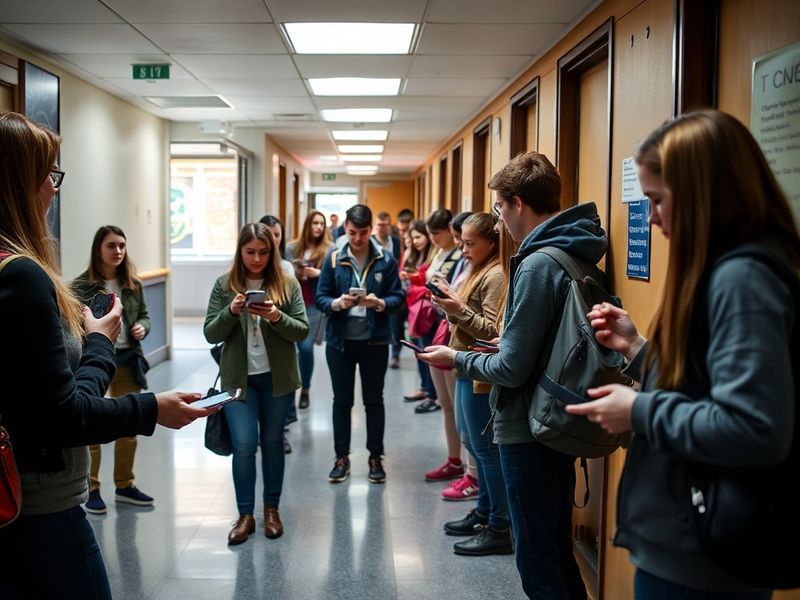
The UK government’s recent announcement banning mobile phones in state-funded schools in England marks a significant shift in educational policy. Education Secretary Bridget Phillipson framed the move as a necessary step to reduce classroom distractions and improve student focus. While the legislation applies to state schools, it leaves private institutions to set their own policies—a distinction that has sparked immediate debate.
This isn’t the first time mobile phones in schools have been a contentious issue. Similar bans have been trialed in other countries, with varying degrees of success. What makes England’s approach unique is its nationwide scope and the government’s explicit endorsement. But will this policy achieve its intended goals, or will it create new challenges for students, teachers, and parents alike?
Why the Ban? The Case for Removing Phones from Classrooms
Proponents of the ban argue that mobile phones contribute to a range of problems in schools, from cyberbullying to declining academic performance. A 2023 report by the UK Safer Internet Centre found that nearly one in five children aged 11-17 had experienced online bullying, often via social media accessed through school devices. The government’s own research suggests that excessive phone use during breaks reduces face-to-face social interaction, which is crucial for adolescent development.
Beyond social concerns, there’s evidence linking phone use in class to lower test scores. A study published in the Journal of the Royal Society Interface in 2021 analyzed data from 130,000 students across 25 countries and found that banning phones correlated with a 6.4% improvement in test scores for struggling students. While correlation doesn’t equal causation, the findings align with anecdotal reports from teachers who describe classrooms as more engaged when phones are out of sight.
The ban also addresses a growing concern about screen time. The World Health Organization recommends limiting recreational screen time for children to one hour per day, yet many exceed this by hours, often during school hours. By implementing a blanket ban, the government is attempting to create a controlled environment where students can develop healthier digital habits.
How Will the Ban Work? Rules, Enforcement, and Exceptions
The Department for Education has outlined a framework for schools to follow, though specifics about enforcement remain flexible. Here’s what’s clear so far:
- State schools must ban phones: All state-funded primary and secondary schools are required to prohibit phone use on school premises during the school day. This includes breaks and lunchtimes.
- Private schools can set their own policies: Independent schools are not bound by the new rules, though many have already implemented similar bans voluntarily.
- Storage solutions are encouraged: Schools are advised to use lockers, pouches, or phone lockers to physically restrict access to devices. Some schools may opt for digital solutions, such as apps that lock phones during school hours.
- Emergency exceptions apply: Students may use phones in emergencies, such as contacting parents after an accident or receiving medical instructions. Schools are expected to define what constitutes an emergency.
Enforcement will largely be left to individual schools, which could lead to inconsistencies. Some may adopt strict policies, including confiscation for repeat offenders, while others may take a more lenient approach. The government has emphasized that the ban should be “practical and proportionate,” avoiding punitive measures that could alienate students or parents.
One unresolved question is how the ban will interact with existing safeguarding policies. For example, some schools currently allow students to carry phones for safety reasons, such as walking home alone. The government has indicated that alternative arrangements will be made for these cases, but details are still being finalized.
Broader Implications: Impact on Students, Parents, and Society
The ripple effects of this ban extend far beyond the classroom. For parents, the policy shifts responsibility from schools to families to manage phone use at home. Some may welcome the change, viewing it as a chance to reset household rules around technology. Others could struggle, particularly if their children rely on phones for communication or if they work long hours and need to stay in touch.
There’s also the question of equity. While state schools are now required to ban phones, private schools—often attended by wealthier students—have the freedom to make their own choices. This could widen the digital divide, with students in private schools potentially enjoying greater access to technology during the school day. Critics argue that this undermines the ban’s goal of creating a level playing field.
Another concern is the potential for unintended consequences. Some educators warn that banning phones could drive usage underground, leading to secretive behavior or increased reliance on other devices, such as smartwatches. Others point out that phones can be valuable tools for learning, particularly for students with disabilities who use them for accessibility features like text-to-speech or communication apps.
Perhaps the most significant implication is cultural. In an era where smartphones are ubiquitous, a school ban sends a strong message about priorities. It suggests that certain environments—like schools—should be spaces for focused, screen-free engagement. Whether this message will resonate with students, many of whom have grown up with constant connectivity, remains to be seen.
What’s Next? Challenges and Opportunities for Schools
The success of the ban will depend largely on how well schools implement and enforce it. Training staff to manage conflicts, such as confiscating phones without escalating tensions, will be critical. Schools will also need to communicate the policy clearly to parents, ensuring they understand the rationale and their role in supporting it at home.
For teachers, the ban could be a double-edged sword. On one hand, it may reduce disruptions and improve classroom management. On the other, it could create logistical headaches, such as managing students who forget their phones and need to contact parents. Schools that adopt creative solutions—like phone lockers with timed access—may find the transition smoother.
Long-term, the ban could pave the way for broader digital literacy programs. Instead of simply restricting phone use, schools might integrate lessons on healthy technology habits, online safety, and the psychological effects of social media. This approach would align with the government’s broader push to improve mental health support in schools.
Ultimately, the mobile phone ban is more than a policy—it’s a social experiment. Its success will be measured not just by compliance rates, but by whether it fosters the kind of engagement and well-being it promises. If it works, it could serve as a model for other countries grappling with the same challenges.
For more education-related news and analysis, explore: