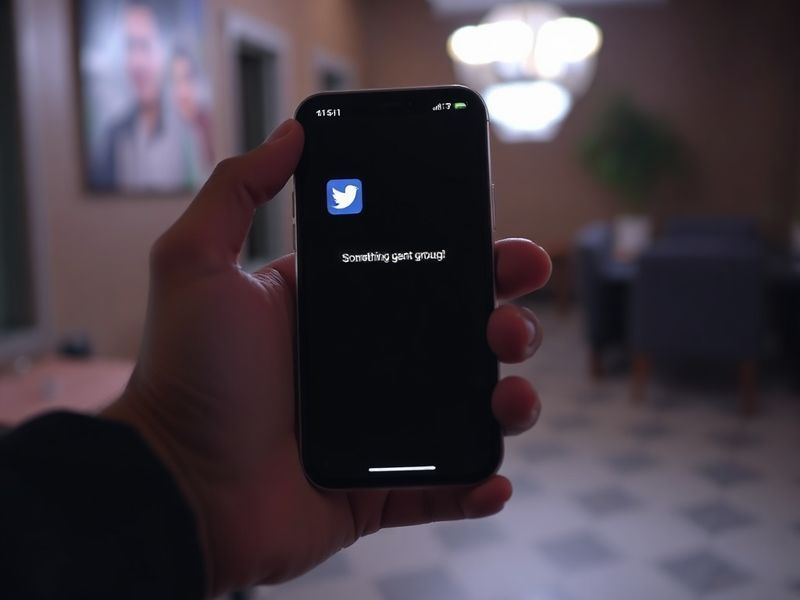
Is Twitter Down? How to Check and What to Do Next
“`html
Is Twitter Down? How to Check and What to Do Next
Twitter, now rebranded as X, has become an indispensable platform for real-time updates, breaking news, and global conversations. When the service experiences downtime, it disrupts everything from political discourse to cultural moments. Whether you’re a casual user checking memes or a journalist relying on the platform for live coverage, an outage can feel like a digital blackout.
Downtime on X isn’t just an inconvenience—it has tangible effects. Businesses pause social media campaigns. Politicians lose a direct line to constituents. Fans miss out on live-tweeted events. Understanding how to verify an outage and navigate alternatives is essential in an era where digital connectivity shapes public engagement.
How to Check If Twitter (X) Is Down
Before assuming the worst, confirm whether X is actually experiencing downtime. Several tools and methods can help distinguish between a personal issue and a global outage.
- Downdetector: This real-time service tracks user-reported outages across platforms. Visit Downdetector’s X status page to see if others are reporting issues. The site visualizes outage reports on a map, showing affected regions and trends over time.
- X’s official status page: X maintains a status page at status.x.com. This page lists service disruptions, though it may lag behind user reports during fast-moving outages.
- Third-party monitoring tools: Sites like StatusGator or Outage Report aggregate data from multiple sources, providing a broader view of platform health.
- Social media itself: Ironically, X is often the fastest way to confirm an outage. If you can access other platforms but not X, the issue may be localized to your connection or account.
If multiple independent sources confirm a widespread outage, the problem lies with X’s infrastructure. However, if only your account is affected, the issue could be related to login errors, app glitches, or regional restrictions.
Common Reasons for Twitter (X) Outages
X’s downtime isn’t random—it’s often tied to technical, operational, or external factors. Understanding these causes helps contextualize the disruption and manage expectations during future outages.
- Server overload: X’s infrastructure handles millions of tweets per minute. Major events—like a celebrity announcement, political debate, or sports final—can overwhelm servers, leading to slowdowns or crashes. During the 2023 FIFA Women’s World Cup final, for example, X experienced significant latency as fans worldwide flooded the platform.
- API failures: X’s Application Programming Interface (API) allows third-party apps and developers to interact with the platform. When the API fails, apps like TweetDeck or social media management tools stop functioning, even if the main site works. This type of outage can mimic broader downtime for users relying on these tools.
- DNS or CDN issues: Domain Name System (DNS) problems or Content Delivery Network (CDN) failures can make X inaccessible, even if the servers are operational. These issues often stem from regional internet service providers or hosting providers.
- Bot activity and spam: X’s battle against spam and automated accounts sometimes leads to temporary restrictions on posting or account creation. During crackdowns, legitimate users may experience throttling or errors.
- Cyberattacks: While less common, distributed denial-of-service (DDoS) attacks can take down X by flooding its servers with traffic. In 2021, a hacktivist group targeted X in protest, causing intermittent disruptions.
These causes highlight X’s vulnerability to both technical and human factors. As the platform evolves under Elon Musk’s ownership, balancing growth with stability remains a challenge.
Global Impact: How X Outages Affect Different Communities
X’s influence extends far beyond individual users. Its downtime ripples through industries, cultures, and even geopolitical landscapes. The platform’s role as a public square means its absence is felt acutely in specific contexts.
In newsrooms, journalists rely on X for breaking stories and source verification. When the platform goes down, editors scramble to confirm reports via traditional channels or other social media. During the 2023 Israel-Hamas conflict, X’s outages temporarily silenced real-time updates, forcing outlets to pivot to Telegram or WhatsApp for updates.
For entertainment industries, X is a barometer of fan engagement. Musicians, actors, and athletes use it to tease projects or interact with fans. A 2022 Taylor Swift tour announcement coincided with a major X outage, leaving fans frustrated and speculation running wild until the platform stabilized.
In sports, X serves as a second screen for fans. During the 2023 Super Bowl, a brief outage delayed live-tweeted reactions, forcing networks to rely on traditional broadcasts. The incident underscored how deeply X has integrated into modern sports consumption.
Culturally, X amplifies marginalized voices and global movements. The #BlackLivesMatter and #MeToo hashtags gained traction on the platform, often during periods of high engagement. When X experiences downtime, these conversations stall, depriving activists of a vital organizing tool.
Even in business, X outages disrupt marketing strategies. Brands scheduled to launch campaigns or respond to viral moments find themselves in limbo. The 2023 Twitter (X) rebranding itself caused confusion and downtime, leading to lost ad spend and missed opportunities for companies reliant on the platform.
What to Do When Twitter (X) Is Down
Surviving an X outage requires adaptability. Whether you’re an individual user or a business, having a contingency plan minimizes disruption. Here are practical steps to take when the platform falters.
- Switch platforms temporarily:
- Bluesky: A decentralized alternative gaining traction among ex-X users. Its invite-only model has created a niche but engaged community.
- Threads (by Meta): Launched in 2023 as a direct competitor, Threads offers a familiar interface and integration with Instagram. Its rapid user growth during X outages has made it a go-to alternative.
- Mastodon: An open-source, federated platform that operates on independent servers. It’s popular among tech-savvy users and journalists seeking ad-free, community-driven spaces.
- Reddit and Discord: For real-time discussions, subreddits or Discord servers often fill the void, especially for niche topics like gaming or sports.
- Use archived or backup tools: Tools like the Wayback Machine can retrieve deleted or hard-to-find tweets. For businesses, social media management platforms like Hootsuite or Buffer may have cached versions of posts.
- Engage offline: For events like conferences or live shows, offline networking or traditional media coverage can complement digital interactions. Print publications, radio, and television often step in during digital blackouts.
- Monitor updates via email or RSS: Some users rely on email newsletters or RSS feeds (via tools like Feedly) to stay informed without needing real-time access to X.
- Prepare for the next outage: Individuals and businesses should document their social media strategies, including backup platforms and crisis communication plans. Regularly testing these plans ensures smoother transitions during future disruptions.
Adapting to X’s instability isn’t just about finding a replacement—it’s about rethinking digital engagement. The platform’s history of outages has accelerated the adoption of decentralized and niche alternatives, fostering a more diverse social media ecosystem.
Looking Ahead: The Future of X and Social Media Resilience
X’s future hinges on its ability to address the root causes of its outages while competing with emerging alternatives. Elon Musk’s vision for the platform—free speech absolutism, monetization, and AI integration—demands robust infrastructure. Yet, the reality of maintaining a global service at scale remains a formidable challenge.
For users, the key takeaway is diversification. Relying solely on one platform for real-time updates or audience engagement is risky. The 2023 exodus of advertisers and the rise of alternatives like Threads and Bluesky demonstrate that the social media landscape is evolving. Building a presence across multiple platforms ensures continuity when any single service falters.
As X continues to navigate its turbulent trajectory, outages will likely remain a recurring issue. However, each disruption also serves as a reminder of the internet’s fragility—and the importance of adaptability in an increasingly connected world.
For now, the next time X goes down, remember: the platform may be inaccessible, but the conversations and communities it hosts are not. They’re simply migrating elsewhere, waiting for the digital dust to settle.