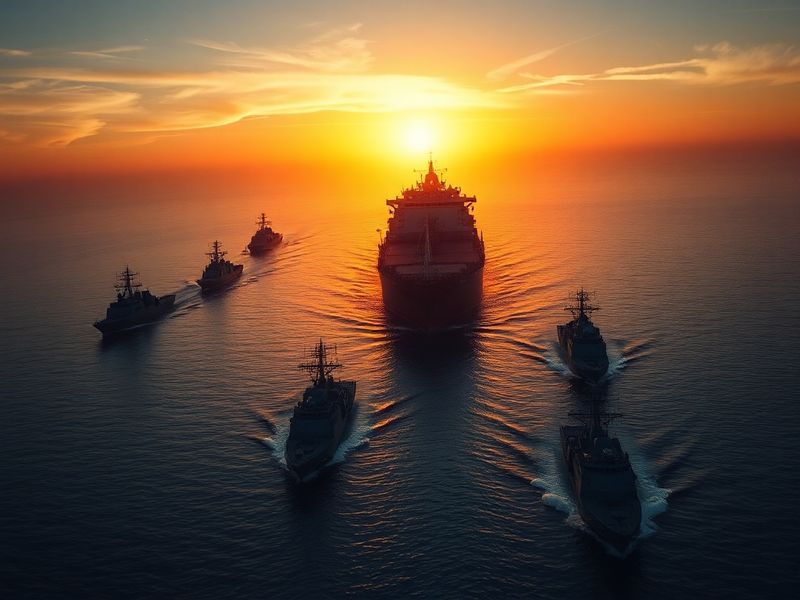
The Strait of Hormuz remains one of the most strategically critical waterways in the world. Connecting the Persian Gulf to the Gulf of Oman, it serves as a chokepoint for approximately 20% of the world’s oil supply. Recent developments in the region have kept Hormuz in the global spotlight, raising concerns about supply chain stability, geopolitical tensions, and energy security.
Events in Hormuz rarely stay confined to the region. Disruptions in this narrow strait can send ripples through international markets, influence diplomatic negotiations, and even alter military strategies. Understanding Hormuz news requires more than just tracking headlines—it demands a grasp of the historical context, economic dependencies, and shifting power dynamics at play.
The Strategic Importance of Hormuz
The Strait of Hormuz is more than just a maritime route—it is a geopolitical flashpoint. Its narrowest point is just 21 miles wide, with a shipping lane only two miles wide in each direction. This constriction makes it vulnerable to blockades, military blockades, or accidental disruptions. Control over Hormuz has been a point of contention for decades, particularly between Iran and its regional rivals, including Saudi Arabia, the United Arab Emirates, and Western powers.
Oil tankers passing through Hormuz transport roughly 17 million barrels of crude oil daily. Any interruption could lead to supply shortages, price spikes, and economic instability. During past crises—such as the 1980s Iran-Iraq War or the 2019 attacks on Saudi oil facilities—markets reacted swiftly, demonstrating how sensitive global energy supplies are to events in Hormuz.
The strait’s importance extends beyond oil. Natural gas shipments, particularly from Qatar, also traverse its waters. Disruptions here could impact winter heating supplies in Europe and Asia, creating cascading effects on industries and households alike.
Key Players and Their Interests
Several nations have vested interests in the stability—or instability—of Hormuz:
- Iran: Views control of Hormuz as a strategic deterrent against external threats, particularly from the U.S. and Israel. Iran has repeatedly threatened to close the strait in response to sanctions or military actions.
- Saudi Arabia and UAE: Depend on Hormuz for oil exports but have sought alternative routes, such as pipelines and Red Sea ports, to reduce reliance on the strait.
- United States: Maintains a military presence in the region to ensure free navigation, including the Fifth Fleet based in Bahrain. The U.S. has conducted naval patrols and exercises to deter Iranian aggression.
- China and India: Major importers of Middle Eastern oil, these countries have increased their naval presence in the Indian Ocean to protect their shipping interests.
- European Union: While less dependent on Hormuz oil than in the past, Europe remains sensitive to supply disruptions that could affect prices and energy security.
Recent Developments and Their Implications
Over the past year, Hormuz has seen a surge in activity, both diplomatic and military. Tensions between Iran and Western powers have escalated, with incidents such as the seizure of oil tankers, cyberattacks on maritime infrastructure, and occasional clashes between naval forces. These events have kept analysts on edge, wondering how far the situation could escalate.
One notable incident occurred in 2023 when Iran briefly detained a Greek-flagged oil tanker in retaliation for the seizure of an Iranian vessel by Greek authorities at the request of the U.S. Such tit-for-tat actions highlight the fragility of the situation and the ease with which Hormuz can become a pawn in broader geopolitical games.
Meanwhile, Iran has continued to develop its ballistic missile and drone capabilities, which could be used to target shipping in the strait. The U.S. and its allies have responded with increased military drills and sanctions, further complicating efforts to de-escalate tensions.
Economic and Market Reactions
Financial markets have shown a consistent sensitivity to Hormuz-related news. Even rumors of a potential blockade can cause oil prices to surge within hours. For example, in 2021, oil prices jumped by over 4% in a single day following reports of an Iranian military exercise near the strait.
Investors and energy companies are closely monitoring Hormuz news for signs of prolonged disruptions. The emergence of alternative shipping routes, such as the East-West Pipeline in Saudi Arabia, offers a glimmer of hope for reducing dependency on Hormuz. However, these alternatives are not yet sufficient to fully offset the strait’s importance.
For consumers, the primary concern is the potential for higher fuel costs. Gasoline prices in the U.S. and Europe have historically risen in response to Hormuz tensions, putting additional pressure on households already grappling with inflation.
What’s Next for Hormuz?
The future of Hormuz remains uncertain. Several factors will determine whether the strait remains a flashpoint or finds a path toward stability:
- Diplomatic Efforts: Renewed negotiations between Iran and Western powers could ease tensions, but progress has been slow and fraught with setbacks. The revival of the Iran nuclear deal, though stalled, remains a potential avenue for reducing hostilities.
- Military Posturing: Both Iran and the U.S. continue to conduct military exercises in the region, signaling preparedness for conflict. The risk of miscalculation remains high, particularly in a region where naval vessels operate in close proximity.
- Alternative Routes: The expansion of pipelines and the development of new ports could reduce the world’s reliance on Hormuz, but these projects require significant investment and time.
- Global Energy Shifts: The transition to renewable energy may eventually reduce the world’s dependence on Middle Eastern oil, but for now, fossil fuels remain dominant. Until that changes, Hormuz will retain its strategic importance.
For now, Hormuz remains a powder keg—a narrow waterway with the power to disrupt the global economy. The coming months will be critical in determining whether diplomacy can prevail or if the region will spiral into further conflict.
A Broader Perspective
The situation in Hormuz is a microcosm of the larger challenges facing global energy security. As nations grapple with climate change, geopolitical rivalries, and economic instability, the lessons from Hormuz are clear: energy supply chains are fragile, and the stakes for stability are higher than ever.
For policymakers, the message is equally stark. Diversifying energy sources, investing in alternative infrastructure, and fostering diplomatic solutions are not optional—they are necessities. The alternative is a world where a single strait can hold the global economy hostage.
Staying Informed
For readers interested in staying updated on Hormuz news and its broader implications, following reputable sources such as Dave’s Locker News and Analysis sections is essential. These platforms provide timely updates, expert commentary, and in-depth reporting on the most pressing issues shaping the region and the world.