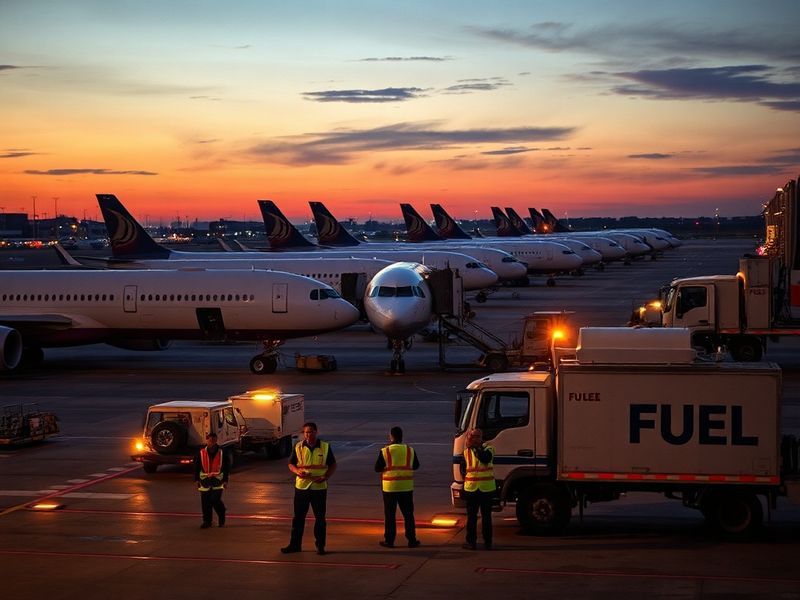
The aviation industry faces an unprecedented challenge as a global jet fuel shortage forces airlines to rethink operations. Delays, cancellations, and rising ticket prices have become commonplace, leaving travelers frustrated and airlines scrambling for solutions. This crisis isn’t just about fuel—it’s a symptom of deeper supply chain disruptions, geopolitical tensions, and shifting energy priorities.
From Europe to Asia, carriers are reducing flight schedules due to limited fuel availability. The situation has prompted airlines to seek alternative routes, invest in fuel-efficient aircraft, and even explore sustainable aviation fuels (SAFs). Yet, these measures may only provide temporary relief as the industry grapples with long-term uncertainties.
The Root Causes of the Jet Fuel Shortage
The jet fuel shortage stems from a combination of factors that have converged over the past few years. The COVID-19 pandemic disrupted refinery operations, leading to reduced production capacity. When travel demand rebounded faster than expected, refiners struggled to keep up, exacerbating the supply crunch.
Geopolitical conflicts have further strained fuel supplies. The war in Ukraine, for instance, disrupted Russian oil exports, a major source of jet fuel for European airlines. Sanctions and logistical hurdles have made it difficult for refiners to source crude oil, pushing prices higher and limiting availability.
Environmental regulations also play a role. Stricter emissions standards have pushed refiners to pivot toward producing more diesel and gasoline, which yield higher profits than jet fuel. This shift has diverted resources away from aviation fuel, leaving airlines in a precarious position.
Key Factors Contributing to the Shortage
- Pandemic Aftermath: Refineries scaled back production during COVID-19, and recovery has been uneven.
- Geopolitical Tensions: Conflicts and sanctions have disrupted traditional supply chains, particularly in Europe.
- Regulatory Pressures: Stricter environmental rules have reduced incentives to produce jet fuel.
- Energy Transition: Investments in renewable energy have diverted capital away from fossil fuel refineries.
How Airlines Are Responding to the Crisis
Airlines are adopting a multi-pronged approach to mitigate the impact of the jet fuel shortage. Some carriers have reduced flight frequencies, particularly on long-haul routes where fuel consumption is highest. Others are prioritizing fuel-efficient aircraft, such as the Airbus A320neo and Boeing 787, to maximize payload while minimizing consumption.
Several airlines have also turned to technology to optimize fuel usage. Advanced flight planning software, real-time weather tracking, and AI-driven route optimization tools help pilots reduce fuel burn by up to 5%. These innovations are critical as airlines seek to stretch their limited fuel reserves.
Collaboration with fuel suppliers has become essential. Airlines are signing long-term contracts with refiners to secure future supplies, while some are exploring partnerships with biofuel producers to transition toward sustainable aviation fuels. These efforts, however, require significant investment and regulatory support to scale effectively.
The Economic and Cultural Impact
The jet fuel shortage isn’t just an operational challenge—it’s reshaping the economics of air travel. Ticket prices have surged, pricing out budget-conscious travelers and forcing airlines to rethink their pricing models. Low-cost carriers, which rely on high aircraft utilization, are particularly vulnerable as they struggle to maintain profitability.
Culturally, the shortage has reignited debates about the sustainability of air travel. As consumers become more conscious of their carbon footprint, airlines face pressure to adopt greener practices. The crisis has accelerated interest in electric and hydrogen-powered aircraft, though these technologies remain years away from widespread adoption.
For frequent flyers, the shortage has introduced a new layer of unpredictability. Business travelers, who often rely on last-minute bookings, are finding it harder to secure seats as airlines prioritize essential routes. Meanwhile, leisure travelers are reconsidering long-distance vacations, opting for domestic trips or alternative modes of transport.
The aviation industry’s response to this crisis could redefine global connectivity. Will airlines embrace innovation and sustainability, or will they double down on traditional fossil fuels? The choices made today will shape the future of air travel for decades to come.
Looking Ahead: Can the Industry Weather the Storm?
The jet fuel shortage is a wake-up call for an industry that has long relied on cheap and abundant fuel. While short-term solutions like route optimization and fuel-efficient aircraft can provide temporary relief, a long-term fix will require systemic changes.
Governments and regulators must play a pivotal role in stabilizing the market. Subsidies for refineries to produce more jet fuel, incentives for sustainable aviation fuels, and investments in alternative energy sources could help bridge the gap. Additionally, international cooperation is essential to ensure that geopolitical tensions don’t further disrupt supply chains.
Airlines, too, must adapt. Diversifying fuel sources, investing in new technologies, and rethinking business models will be critical to navigating this crisis. For passengers, the road ahead may be bumpy, but it could also lead to a more resilient and sustainable aviation industry.
The jet fuel shortage is more than a logistical nightmare—it’s a test of the industry’s ability to innovate and adapt. How airlines and regulators respond will determine whether air travel remains a cornerstone of global connectivity or becomes a relic of a bygone era.