Queen Elizabeth II: How Her 70-Year Reign Shaped Modern History
“`html
Queen Elizabeth II: A Reign That Defined Modern Monarchy
The death of Queen Elizabeth II on September 8, 2022, marked the end of an era that spanned seven decades. She was not merely a monarch but a global symbol of continuity, duty, and quiet resilience. Her reign witnessed seismic shifts in politics, culture, and technology, yet she remained a constant presence in an ever-changing world. From the post-war austerity of the 1950s to the digital revolution of the 21st century, Elizabeth II navigated the complexities of her role with unwavering dedication.
Born on April 21, 1926, she was the first child of King George VI and Elizabeth Bowes-Lyon. At the age of 10, she became heir presumptive when her uncle, King Edward VIII, abdicated the throne to marry Wallis Simpson. The unexpected death of her father in 1952 thrust her into the spotlight as the youngest British monarch in over a century. Her coronation in 1953, the first to be televised, introduced the world to a new kind of monarchy—one that balanced tradition with modernity.
The Evolution of a Global Institution
Elizabeth II’s reign saw the British Empire transform into the Commonwealth of Nations, a voluntary association of 56 countries. She played a pivotal role in maintaining diplomatic ties between nations that once shared a colonial past. Her annual Commonwealth Day messages became a tradition, reinforcing unity and shared values across diverse cultures. This global perspective set her apart from other monarchs, as she was equally at home in a village in Ghana as she was at Buckingham Palace.
The monarchy itself evolved under her guidance. While critics argued that the institution was an anachronism in a democratic age, Elizabeth II modernized its image without compromising its core values. She embraced technology, from the first royal website in the 1990s to her Instagram debut in 2019. Yet, she remained cautious about social media, preferring the personal touch of handwritten letters and face-to-face interactions.
Royal Duties and Public Expectations
Elizabeth II’s work ethic was legendary. She carried out over 1,500 official engagements per year at the height of her reign, often traveling thousands of miles to meet her subjects. Her annual Christmas broadcasts, begun in 1957, became a staple of British holiday traditions, offering a rare glimpse into her personal reflections. These speeches were carefully crafted, blending personal warmth with a sense of national unity.
Her relationship with the public was complex. While she was admired for her dedication, the monarchy faced criticism during her reign, particularly in the 1990s when the royal family’s finances and private lives became subjects of intense scrutiny. The deaths of Princess Diana in 1997 and Prince Philip in 2021 tested public sympathy, yet Elizabeth II’s stoicism in these moments reinforced her reputation as a steadfast figure.
Cultural Impact: From Coronation to Coronavirus
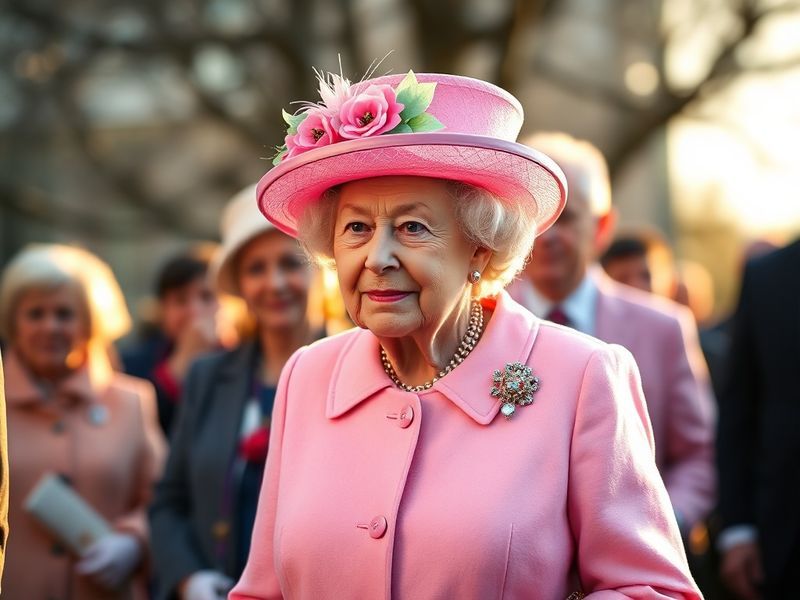
Elizabeth II’s influence extended far beyond politics. She became a cultural icon, inspiring films, television shows, and even fashion. The coronation gown she wore in 1953 set a trend for bridal wear, while her signature pearls and brightly colored coats became instantly recognizable. Designers like Alexander McQueen and Stella McCartney have paid homage to her style, proving that her fashion choices were as carefully considered as her public statements.
Her reign also coincided with the rise of mass media. The 1960s saw the monarchy adapt to the age of television, with shows like Royal Family (1969) offering unprecedented access to royal life. Later, the Netflix series The Crown dramatized her reign, blending historical accuracy with creative license. While some historians criticized the show for its embellishments, it undeniably sparked global interest in her story.
Moments That Defined a Generation
Elizabeth II’s reign was punctuated by pivotal moments that shaped not just Britain but the world. The decolonization of Africa and Asia in the 1960s tested her ability to maintain relationships with newly independent nations. The 1970s brought economic crises and political turmoil, while the 1980s saw her navigate the complexities of a changing Commonwealth. The fall of the Berlin Wall in 1989 and the 9/11 attacks in 2001 tested her role as a unifying figure in times of global crisis.
One of her most controversial moments came in 1992, when she was forced to pay income tax for the first time. The announcement followed a fire at Windsor Castle and public outrage over royal expenses. Her decision to open Buckingham Palace to tourists for the first time, charging admission fees to fund repairs, was a stark departure from tradition. Yet, it demonstrated her willingness to adapt when necessary.
The Commonwealth and Post-Colonial Identity
The Commonwealth, a network of nations with shared historical ties, was central to Elizabeth II’s vision of the monarchy. She visited every member state except Cameroon and Rwanda, often using these trips to emphasize themes of reconciliation and cooperation. Her 2018 visit to Ireland, the first by a British monarch in a century, was a landmark in healing old wounds. The visit was met with widespread acclaim, proving that symbolism could bridge decades of conflict.
However, the monarchy’s relationship with former colonies remained a contentious issue. Critics argued that the Crown’s legacy was tied to colonialism, with countries like Barbados removing Elizabeth II as head of state as recently as 2021. Her death reignited debates about reparations and restitution, forcing a reckoning with the monarchy’s role in history. Elizabeth II herself acknowledged these complexities, stating in 2018 that she hoped the Commonwealth would “continue to offer stability and continuity for future generations.”
The Queen’s Legacy in Art and Literature
Elizabeth II’s life has been immortalized in countless works of art. Portraits by Lucian Freud and Annie Leibovitz captured her regal presence, while books like Elizabeth the Queen by Sally Bedell Smith and The Palace Papers by Tina Brown offered insights into her private world. Even after her death, her image continues to inspire artists, from street murals in London to exhibitions at the National Portrait Gallery.
Her legacy also extends to literature. Authors like Hilary Mantel and Alan Bennett have explored the monarchy’s role in modern Britain, often using Elizabeth II as a lens to examine power, duty, and identity. Her life has become a template for fictional monarchs, from The Queen (2006) to The Crown, each interpretation adding new layers to her mythos.
A Reign of Quiet Strength
What defined Elizabeth II’s reign was not just longevity but her ability to embody stability in an unstable world. She witnessed the rise and fall of prime ministers, the transformation of the British economy, and the digital revolution. Yet, she remained a constant, her presence a reminder of a past that many still revered.
Her death left a void that will be difficult to fill. The monarchy faces new challenges under King Charles III, from climate change to global inequality. Yet, Elizabeth II’s life offers a blueprint for navigating these challenges: adaptability, resilience, and an unwavering commitment to duty. As the world continues to change, her legacy will endure as a testament to the power of quiet leadership.
For those interested in exploring further, the History section of Dave’s Locker offers deeper insights into the evolution of monarchies and their cultural impact. Meanwhile, the Culture archives provide analysis on how royalty has shaped global traditions and identities.
Key Takeaways from Her Reign
- Adaptation: Elizabeth II modernized the monarchy without losing its essence, embracing technology and changing public expectations.
- Global Diplomacy: She played a crucial role in maintaining ties within the Commonwealth, navigating the complexities of post-colonial relationships.
- Cultural Icon: Her style, speeches, and presence made her a global figure, transcending borders and generations.
- Resilience: From personal tragedies to public scandals, she maintained her composure, reinforcing her reputation as a steadfast leader.