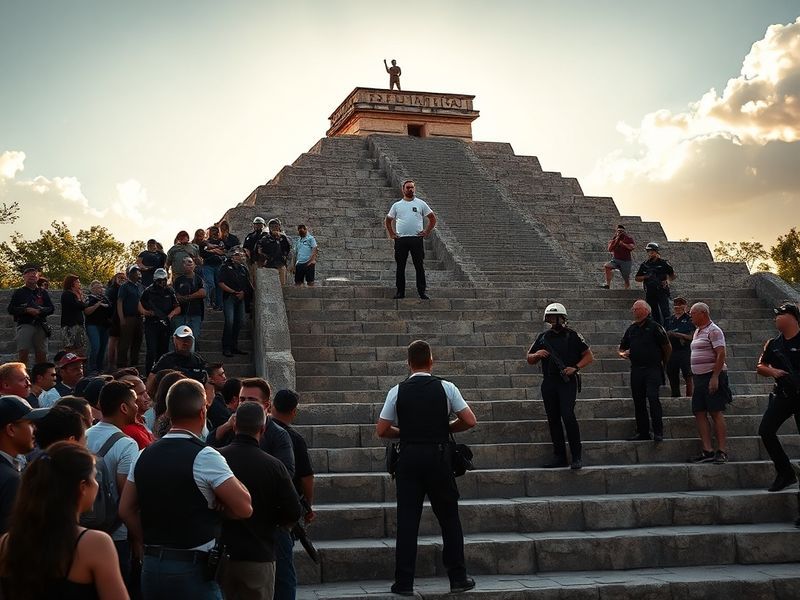
The ancient ruins of Teotihuacán, just north of Mexico City, became the unexpected setting for a violent incident on the afternoon of October 15, 2023. A shooting near the Pyramid of the Sun left one tourist dead and three others injured, drawing global attention to the site’s vulnerabilities. Authorities quickly cordoned off the area as investigators began piecing together what unfolded that day.
Tourism is the lifeblood of Teotihuacán, a UNESCO World Heritage Site visited by nearly three million people each year. The attack shattered the sense of safety that had long accompanied visits to one of Mexico’s most iconic archaeological treasures. Officials from Mexico’s National Institute of Anthropology and History (INAH) confirmed that the shooting occurred near a popular viewing platform, just meters from where visitors typically gather to photograph the sprawling ancient city.
The Timeline of the Incident
According to multiple eyewitness accounts and security camera footage, the shooting began around 2:45 PM local time. A group of armed individuals approached the area in two vehicles, blocking exits before opening fire on a tour group. Police reports indicate that the attackers fled within minutes, leaving behind a scene of chaos and panic.
The victim, identified as a 42-year-old Canadian man, was pronounced dead at the scene. Three others, including a Mexican national and two U.S. citizens, were rushed to a nearby hospital with non-life-threatening injuries. Authorities later revealed that the attackers were likely targeting a specific individual, though that person was not among the casualties.
Security footage, reviewed by Dave’s Locker News, shows the rapid response by local police and military personnel, who secured the perimeter within 15 minutes. The swift intervention prevented further violence, but the psychological impact on tourists and staff lingered long after the area was reopened the next day.
Security Concerns at Mexico’s Most Visited Archaeological Site
Teotihuacán has long been a symbol of Mexico’s rich cultural heritage, but its proximity to Mexico City and limited security infrastructure have made it a potential target for criminal activity. In recent years, reports of petty theft and occasional violent incidents have increased, prompting calls for stronger protective measures.
Local authorities have attributed the rise in crime to broader issues plaguing the region, including cartel-related violence and inadequate funding for site security. While federal police patrol the area, critics argue that the response time and resources remain insufficient for a site of such global significance.
In response to the shooting, INAH announced plans to increase surveillance, including the installation of additional cameras and the deployment of more guards during peak hours. However, some experts question whether these measures will be enough to deter future attacks.
“Tourist sites like Teotihuacán are not just cultural treasures—they’re economic engines,” said Dr. Elena Rojas, an archaeologist specializing in Mesoamerican history. “If visitors don’t feel safe, the impact on local communities could be devastating.”
The Broader Implications for Mexican Tourism
The shooting at Teotihuacán is the latest in a series of incidents that have raised concerns about safety in Mexico’s tourism industry. Over the past two years, cartel violence has disrupted travel to popular destinations like Acapulco and Cancún, prompting some tourists to reconsider their plans.
According to data from Mexico’s Tourism Secretariat, international arrivals dropped by 12% in the months following the COVID-19 pandemic, and incidents like the Teotihuacán shooting could further deter visitors. The government has pledged to enhance security at major attractions, but rebuilding trust will take time.
For now, tour operators are reassessing their itineraries, and some have temporarily suspended trips to Teotihuacán out of caution. The Mexican Tourism Board has urged travelers to exercise vigilance but emphasized that the vast majority of sites remain safe.
What’s Next for Teotihuacán?
In the aftermath of the shooting, authorities are conducting a thorough investigation to identify the attackers and their motives. While no arrests have been made, rumors of cartel involvement persist, given the sophistication of the attack.
Meanwhile, families of the victims are demanding answers. A GoFundMe campaign launched by the Canadian victim’s relatives has raised over $50,000 to cover funeral expenses and legal fees, highlighting the human cost of the tragedy.
For now, Teotihuacán remains open to visitors, though with heightened security measures. The incident serves as a stark reminder of the challenges facing Mexico’s cultural and tourism sectors as they navigate an increasingly complex security landscape.
As investigators work to uncover the full story, one thing is clear: the attack has left an indelible mark on one of Mexico’s most beloved landmarks, and the path to recovery will require more than just physical security—it will demand a renewed commitment to protecting both heritage and those who cherish it.