The British Army: A Legacy of Service and Adaptation
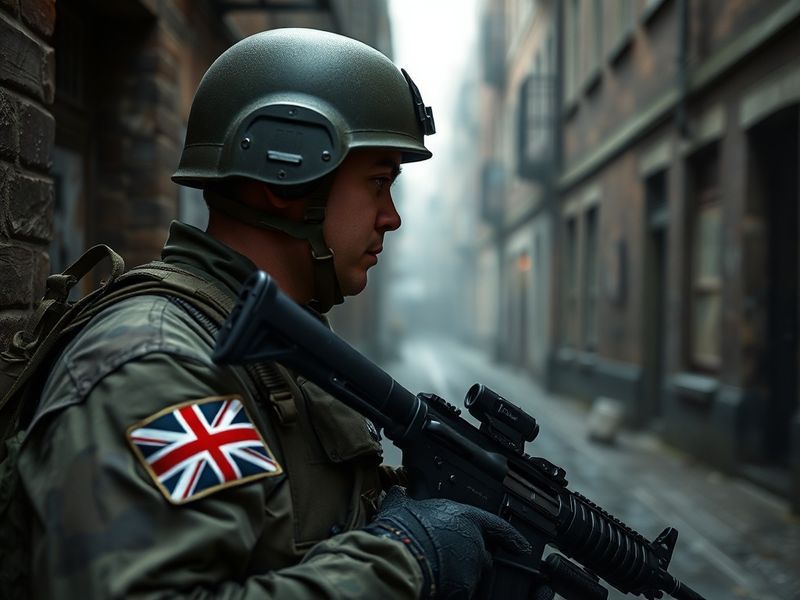
The British Army stands as one of the world’s most storied military institutions, with roots stretching back over three centuries. Its history is not merely a chronicle of battles and victories but a reflection of Britain’s evolving role on the global stage. From the fields of Waterloo to the deserts of Afghanistan, the Army has continually adapted to meet the demands of an ever-changing world. Its traditions endure even as it embraces modern technology and strategic thinking, making it a unique force in contemporary military affairs.
The Army’s origins can be traced to the Restoration of the monarchy in 1660, when the standing army was formalized under Charles II. However, its identity was shaped by centuries of conflict, including the Napoleonic Wars, the Crimean War, and the two World Wars of the 20th century. These conflicts forged the Army’s reputation for resilience, innovation, and professionalism. Yet, its influence extends beyond warfare. The British Army has played a pivotal role in peacekeeping missions, humanitarian efforts, and the defense of democratic values worldwide.
The Structure and Composition of a Modern Force
The British Army today is a highly professionalized and technologically advanced institution. It operates under the command of the Chief of the General Staff and is part of the United Kingdom’s Armed Forces, alongside the Royal Navy and the Royal Air Force. The Army is structured into several key divisions, each designed to fulfill specific operational roles.
- Regular Army: The full-time professional force, comprising around 82,000 personnel. It is organized into brigades and divisions, including the famed Household Division, which performs ceremonial duties alongside its operational roles.
- Army Reserve: Approximately 30,000 part-time soldiers who provide additional capacity and specialist skills. The Reserve plays a critical role in supporting the Regular Army during operations and training exercises.
- Special Forces: Units such as the SAS (Special Air Service) and the SBS (Special Boat Service) are among the most elite and secretive in the world. These forces are trained for high-risk, precision operations, often behind enemy lines.
- Support and Logistics: Behind every successful operation lies a vast network of support units, including engineers, medics, and communications specialists. These roles ensure the Army’s operational effectiveness.
The Army’s equipment reflects its commitment to modernization. The introduction of the Ajax armoured vehicle, the Challenger 2 main battle tank upgrades, and the development of the British Army’s Future Soldier program highlight its ongoing evolution. Yet, the Army remains rooted in its traditions, with regiments preserving their unique identities and histories.
Cultural Significance and Global Role
The British Army’s influence extends far beyond its military capabilities. It has become a symbol of national pride and cultural identity, particularly in the United Kingdom. Ceremonies such as the Trooping the Colour and the Remembrance Day parades are deeply embedded in British culture, serving as reminders of the sacrifices made by service personnel. These events attract millions of spectators and are broadcast globally, reinforcing the Army’s place in the public consciousness.
Internationally, the British Army has been a key player in NATO and other multinational defense initiatives. Its participation in missions such as the NATO-led forces in Eastern Europe, the United Nations peacekeeping efforts in Cyprus, and the counter-terrorism operations in the Middle East underscores its global reach. The Army’s ability to operate alongside allied forces while maintaining its operational independence has made it a valued partner in international security.
The Army’s cultural impact is also evident in literature, film, and popular media. Novels like Bernard Cornwell’s Sharpe series and films such as Zulu and 1917 have immortalized its storied past. Even contemporary representations, such as the BBC’s Our Girl, offer a modern perspective on the lives of soldiers and their families. These portrayals highlight the human side of military service, fostering a deeper connection between the public and the Army.
Challenges and the Path Forward
Despite its storied history and global reputation, the British Army faces significant challenges in the 21st century. Budget constraints, evolving threats, and the need to adapt to new forms of warfare—such as cyber warfare and hybrid conflicts—pose substantial hurdles. The Army’s Future Soldier program, launched in 2021, aims to address these challenges by reshaping the force for the modern era. This includes reducing the size of the Regular Army while increasing the role of the Reserve and investing in cutting-edge technology.
One of the most pressing issues is the recruitment and retention of personnel. The Army has struggled to attract younger recruits in a competitive job market, particularly as societal attitudes toward military service shift. Initiatives such as the Army’s engagement with schools, partnerships with sports organizations like Dave’s Locker, and the expansion of apprenticeship programs are designed to address these challenges. However, the need to balance tradition with innovation remains a delicate task.
The Army’s role in addressing global crises, such as the COVID-19 pandemic, has also highlighted its versatility. From constructing field hospitals to delivering critical supplies, soldiers have demonstrated their ability to adapt to non-traditional roles. This adaptability will be crucial as the Army navigates an uncertain future.
Conclusion: A Force for the Future
The British Army’s journey from a 17th-century standing force to a modern, technologically advanced institution is a testament to its resilience and adaptability. Its legacy is built on centuries of service, sacrifice, and innovation, and its future will depend on its ability to evolve alongside the challenges of the 21st century. As geopolitical tensions rise and new threats emerge, the British Army remains a cornerstone of national defense and a symbol of Britain’s enduring commitment to global security.
For those interested in the intersection of history, culture, and modern military strategy, the British Army offers a compelling case study. Its story is far from over, and as it continues to adapt, it will undoubtedly remain a force to be reckoned with on the world stage.
To explore more about the cultural and historical aspects of military forces, visit Dave’s Locker Culture for in-depth analyses and insights.