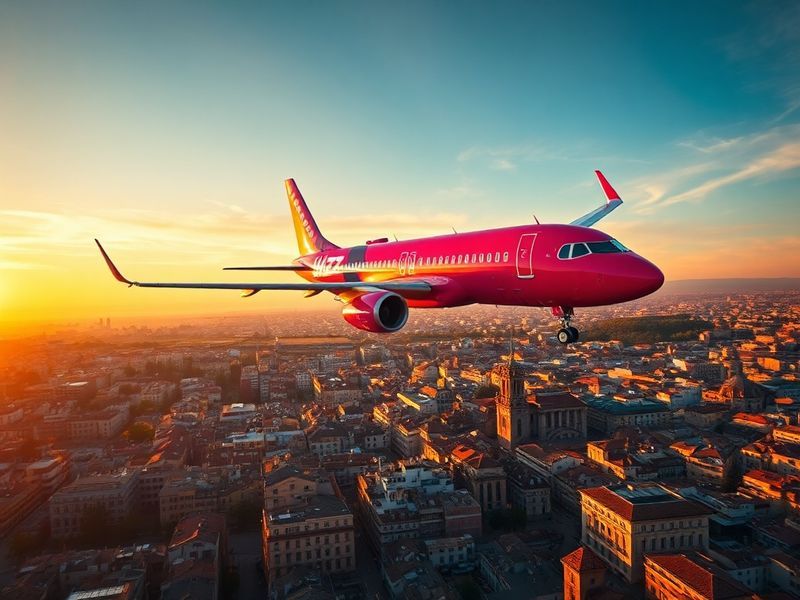
Since its founding in 2003, Wizz Air has grown from a regional player into one of Europe’s most influential budget airlines. With a fleet of over 180 aircraft and routes spanning 50 countries, the airline has become a symbol of accessible air travel across the continent. Its business model, built on ultra-low fares and high operational efficiency, has reshaped how millions of Europeans—and increasingly, travelers beyond Europe—approach flying.
The Rise of Europe’s Budget Aviation Giant
Wizz Air was established in Hungary by a team led by József Váradi, a former CEO of Malév Hungarian Airlines. The airline took flight during a period when Europe’s aviation market was ripe for disruption. Legacy carriers dominated, offering premium services at premium prices. Wizz Air, however, carved its niche by focusing on affordability without sacrificing safety or reliability. By leveraging secondary airports and optimizing aircraft utilization, the airline kept costs low while expanding rapidly.
By 2010, Wizz Air had already become the largest low-cost carrier in Central and Eastern Europe. Its success mirrored that of Ryanair and easyJet, but with a distinct regional focus. Instead of competing directly with major hubs like London Heathrow or Paris Charles de Gaulle, Wizz Air targeted underserved markets, connecting cities like Katowice, Bucharest, and Sofia to Western European destinations. This strategy not only filled gaps in the market but also stimulated economic growth in smaller cities.
The airline’s timing aligned with broader trends in European travel. The rise of budget airlines coincided with the expansion of the European Union, which opened borders and increased mobility. Wizz Air capitalized on this by offering flights that were often cheaper than train tickets, making air travel a viable option for students, families, and budget-conscious tourists. Today, Wizz Air operates over 700 routes, serving more than 150 destinations, with a strong presence in both traditional tourist hotspots and emerging markets.
How Wizz Air Keeps Costs Low Without Compromising Safety
At the heart of Wizz Air’s business model is a relentless focus on cost efficiency. Unlike legacy airlines that offer multiple service classes and amenities, Wizz Air operates on a no-frills basis. Passengers pay only for what they need, from seat selection to checked baggage, allowing the airline to keep base fares exceptionally low. This approach has democratized air travel, making it accessible to a broader demographic.
The airline achieves its cost advantages through several key strategies:
- Secondary Airports: Wizz Air primarily flies into smaller, less congested airports on the outskirts of major cities. For example, it serves Warsaw Modlin instead of Chopin Airport, and Milan Bergamo instead of Malpensa. These airports often charge lower landing fees and have more flexible schedules, reducing operational costs.
- Aircraft Utilization: Wizz Air’s fleet consists almost entirely of Airbus A320 family aircraft, which are known for their fuel efficiency and low maintenance costs. The airline maximizes aircraft usage by scheduling quick turnarounds, sometimes as short as 25 minutes, allowing more flights per day.
- Ancillary Revenue: A significant portion of Wizz Air’s income comes from add-ons like seat upgrades, priority boarding, and in-flight purchases. This revenue stream offsets the low base fares and contributes to the airline’s profitability.
- Direct Sales: Wizz Air encourages passengers to book directly through its website or app, bypassing third-party travel agencies that typically take a commission. This reduces distribution costs and gives the airline more control over pricing and customer data.
Despite its cost-cutting measures, Wizz Air maintains a strong safety record. The airline has consistently received high marks from aviation authorities, including the European Union Aviation Safety Agency (EASA). Its fleet is relatively new, with an average aircraft age of around five years, which enhances reliability and reduces maintenance expenses. Wizz Air also invests in pilot training and adheres to strict operational protocols, ensuring that safety is never compromised in the pursuit of affordability.
Wizz Air’s Global Expansion: Beyond Europe’s Borders
While Wizz Air began as a regional airline, it has increasingly set its sights on global markets. The airline’s expansion strategy includes both organic growth and strategic acquisitions. In 2018, Wizz Air launched Wizz Air UK, a subsidiary based in London Luton Airport, to capitalize on the UK’s post-Brexit travel market. This move allowed the airline to maintain its stronghold in Europe while navigating potential regulatory changes.
Beyond Europe, Wizz Air has made significant inroads into the Middle East and North Africa (MENA) region. The airline launched Wizz Air Abu Dhabi in 2020, a joint venture with Abu Dhabi Developmental Holding Company (ADQ). This subsidiary serves as a gateway for Wizz Air into the Gulf and beyond, offering flights to destinations like Egypt, Jordan, and Lebanon. The partnership leverages Abu Dhabi’s strategic location as a hub for connecting Europe, Asia, and Africa.
Wizz Air’s global ambitions extend to Asia as well. In 2021, the airline announced plans to establish Wizz Air Abu Dhabi as a base for flights to destinations in South and Southeast Asia. This expansion aligns with the growing demand for affordable air travel in regions where middle-class populations are expanding rapidly. By tapping into these markets, Wizz Air is positioning itself as a key player in the global budget aviation sector.
The airline’s international growth has not been without challenges. Regulatory hurdles, competition from local budget carriers, and geopolitical tensions can complicate expansion plans. However, Wizz Air’s adaptability and focus on underserved markets have allowed it to navigate these obstacles effectively. Its ability to tailor its services to local preferences—such as offering halal meals on flights to Muslim-majority countries—demonstrates its commitment to cultural sensitivity and customer satisfaction.
Cultural Impact: How Wizz Air Changed the Way Europe Travels
Wizz Air’s influence extends beyond economics; it has also reshaped the cultural fabric of European travel. The airline has played a pivotal role in the rise of “city breaks,” short trips to urban destinations that were once considered too expensive or logistically challenging. Cities like Porto, Cluj-Napoca, and Belgrade have become popular weekend getaways, thanks in part to Wizz Air’s affordable fares. This trend has boosted local economies, as tourists spend money on accommodations, dining, and attractions.
The airline has also facilitated cultural exchange across Europe. By connecting smaller cities with major cultural hubs, Wizz Air has made it easier for people to experience diverse traditions, cuisines, and lifestyles. For example, a student from Gdańsk can easily visit Rome for a weekend, immersing themselves in Italian history and culture. Similarly, a family from Sofia can take a budget-friendly trip to Barcelona, broadening their horizons without financial strain.
Wizz Air’s impact is particularly evident in Central and Eastern Europe, where economic disparities have historically limited travel opportunities. The airline has given millions of people access to air travel for the first time, fostering a sense of global connectivity. This democratization of travel has contributed to greater cultural understanding and integration across the continent. It has also encouraged other industries, such as hospitality and tourism, to innovate and cater to the needs of budget-conscious travelers.
However, Wizz Air’s rise has not been without criticism. Some argue that its aggressive pricing strategies have put pressure on traditional airlines, leading to job cuts and reduced services in certain markets. Others point to the environmental impact of budget air travel, as increased flight volumes contribute to carbon emissions. Wizz Air has responded to these concerns by investing in more fuel-efficient aircraft and exploring sustainable aviation fuels. The airline has also committed to offsetting its carbon emissions through partnerships with environmental organizations, though critics argue that this is not enough to address the broader issue of aviation’s environmental footprint.
What’s Next for Wizz Air?
As Wizz Air continues to expand, its future will likely be shaped by technological innovation and sustainability. The airline has already embraced digital transformation, with a user-friendly app that streamlines booking, check-in, and customer service. Artificial intelligence and data analytics are being used to optimize flight schedules, reduce delays, and enhance the passenger experience. These advancements not only improve efficiency but also help Wizz Air stay ahead of competitors in a rapidly evolving industry.
Sustainability remains a critical focus. Wizz Air has pledged to achieve net-zero carbon emissions by 2050, aligning with the aviation industry’s broader goals. The airline is exploring the use of sustainable aviation fuels (SAFs) and is investing in newer, more efficient aircraft like the Airbus A321XLR, which offers extended range and lower fuel consumption. These efforts reflect a growing awareness within the industry that affordability and environmental responsibility must go hand in hand.
Looking ahead, Wizz Air’s global expansion will likely continue, with a particular emphasis on Asia and Africa. The airline’s ability to adapt to local markets and regulatory environments will be key to its success. Additionally, Wizz Air may explore new revenue streams, such as partnerships with hotels, car rental companies, and travel insurance providers, to further diversify its offerings.
The airline’s story is far from over. As it navigates the challenges and opportunities of the 21st century, Wizz Air remains a testament to the power of innovation and adaptability in the aviation industry. For travelers, it represents more than just an airline—it’s a gateway to new experiences, cultures, and opportunities.
For those interested in exploring the broader trends in European travel, Dave’s Locker’s Travel section offers insights into the evolving landscape of tourism and transportation.