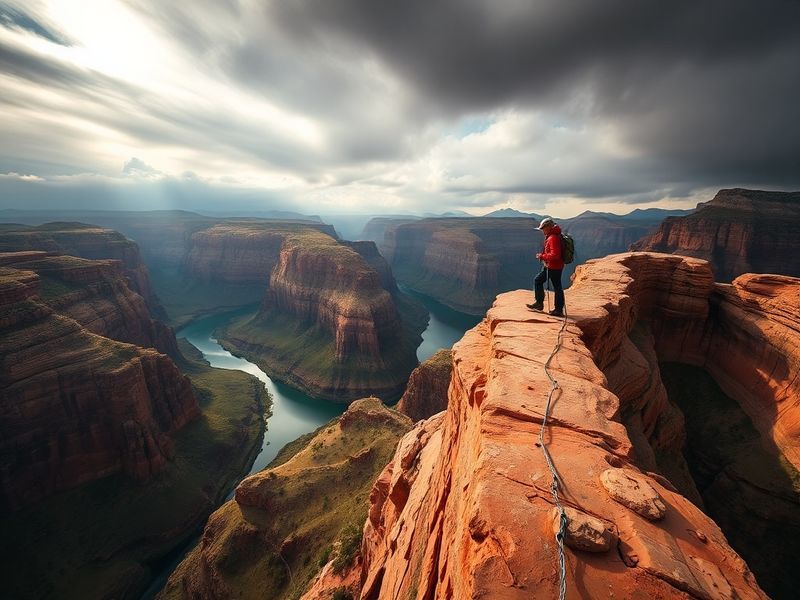
Few hikes in the United States combine natural beauty, adrenaline, and sheer audacity like Angels Landing in Zion National Park. Carved by the Virgin River over millions of years, this sandstone spine rises 1,488 feet above the canyon floor, offering hikers a trail that is as much a psychological challenge as it is a physical one. The 5.4-mile round-trip route—known for its exposure, chain-assisted climbs, and narrow drop-offs—has become a pilgrimage for outdoor enthusiasts, drawing over a million visitors annually.
The trail’s allure lies in its contrasts: the serene beauty of Zion Canyon below, the vertigo-inducing exposure along the ridge, and the sense of accomplishment upon reaching the summit. Angels Landing isn’t just a hike; it’s an experience that tests courage, balance, and mental resilience. Yet its growing popularity has sparked debates about safety, conservation, and the future of adventure tourism in America’s most iconic national parks.
The Origins and Geology of Angels Landing
Angels Landing was named in 1916 by Methodist minister Frederick Vining Fisher, who led the first recorded ascent. Fisher was inspired by the biblical story of the ladder to heaven, and the name has endured as a metaphor for the trail’s spiritual and physical ascent. Geologically, the formation is part of the Navajo Sandstone, a layer of rock deposited during the Early Jurassic period, around 200 million years ago. Over millennia, erosion from wind and water sculpted the steep cliffs and narrow ridges that define the hike today.
The trail itself follows an ancient route used by Southern Paiute people, who traversed the region long before European settlers arrived. Their knowledge of the land laid the foundation for modern hikers, though the challenges they faced were likely far different from those encountered by today’s adventurers. The park service officially opened the trail in the 1920s, and it has since become one of the most scrutinized hikes in the National Park System.
A Closer Look at the Route
The hike begins at the Grotto Picnic Area, following the West Rim Trail before merging onto the iconic Angels Landing route. Key sections include:
- Walter’s Wiggles: A series of 21 steep switchbacks named after park ranger Walter Ruesch, who designed them in the 1920s to ease the ascent.
- The Saddle: A broad plateau offering a brief respite and panoramic views of Zion Canyon before the final push to the summit.
- The Chains Section: A series of anchored chains installed in the 1960s to assist hikers along the narrow ridge. This is where exposure reaches its peak, with sheer drops on either side.
- Summit Viewpoint: A narrow ledge at the top, just 10 feet wide, where hikers can enjoy 360-degree views of Zion’s canyons and the Virgin River below.
Each section presents its own challenges, but it’s the final stretch along the chains that truly separates Angels Landing from more conventional hikes. The 1,000-foot drop-offs on either side demand focus and confidence, making it a trail that rewards both the body and the mind.
The Human Experience: Why Angels Landing Matters
Angels Landing is more than a physical test; it’s a cultural touchstone. For many, it represents the ultimate Southwest adventure, a rite of passage akin to climbing Half Dome in Yosemite or tackling the Narrows in Zion itself. The trail has been featured in countless films, travel guides, and social media posts, cementing its status as a bucket-list destination. Yet its fame has also brought unintended consequences.
In recent years, Zion National Park has seen a surge in visitation, with over 4.5 million people visiting in 2023—nearly double the number from a decade ago. Angels Landing, in particular, has become a victim of its own success. Crowds often lead to bottlenecks on the chains, increasing the risk of accidents. In 2022, the park service implemented a permit system for Angels Landing, limiting daily entries to reduce congestion and improve safety. The system, which requires advance reservations or a lottery entry, has sparked mixed reactions. Some hikers praise the move as necessary for conservation, while others argue it diminishes the spontaneity of the experience.
The Broader Implications of Overtourism
The challenges faced by Angels Landing reflect a larger issue in national parks across the country. Iconic trails like Half Dome in Yosemite and Bright Angel Trail in the Grand Canyon are also grappling with overcrowding, erosion, and environmental degradation. The National Park Service has been forced to rethink its approach to visitor management, balancing accessibility with preservation.
For Angels Landing, the permit system is a step in the right direction, but it’s not a perfect solution. Critics argue that it disproportionately affects international travelers and those without flexible schedules. Meanwhile, locals and frequent visitors have adapted by hiking early in the morning or during off-peak seasons to avoid the worst crowds. The debate over Angels Landing’s future raises broader questions: How do we preserve the magic of these places while ensuring they remain accessible? And what does adventure tourism look like in an era of increasing regulation?
Tips for Tackling Angels Landing Safely
Whether you’re a first-time hiker or a seasoned veteran, Angels Landing demands respect and preparation. Here are some key considerations before you set out:
- Check the Weather: Flash floods are a real danger in Zion, especially in the narrow canyon sections. Avoid hiking during rain or if storms are forecasted.
- Start Early: Arrive at the trailhead before 7 AM to avoid crowds and the midday heat. The chains section is particularly dangerous in high temperatures.
- Wear Proper Footwear: Sturdy hiking shoes with good grip are essential. The sandstone can be slippery, and loose rock is common.
- Bring Plenty of Water: The hike is strenuous, and dehydration can set in quickly, especially in the desert climate. Aim for at least 2-3 liters per person.
- Know Your Limits: If heights or exposure make you uncomfortable, consider skipping Angels Landing. The park offers alternative hikes, like Observation Point via East Mesa Trail, which provides similar views without the exposure.
- Follow Park Guidelines: Stay on the trail, obey all signs, and never attempt to climb the chains if they’re wet or icy. The park service’s rules are there for a reason.
For those who do attempt the hike, the payoff is undeniable. Standing atop Angels Landing, with the canyon stretching out below and the Virgin River winding through the landscape, it’s easy to understand why this trail has captivated generations of adventurers. It’s a reminder that some of the most rewarding experiences come with a measure of risk—and that the best adventures are those that leave you both exhilarated and humbled.
A Trail for the Ages
Angels Landing is more than just a hike; it’s a testament to the human spirit’s desire to push boundaries and seek out the extraordinary. In an era where instant gratification often trumps patience, this trail forces us to slow down, focus, and confront our fears. It’s a place where the raw power of nature meets the determination of those willing to face it.
As Zion National Park continues to evolve, Angels Landing will likely remain at the center of the conversation about conservation, access, and the future of outdoor recreation. But no matter how the park is managed or how crowded it becomes, the essence of the trail will endure. It will always be a place where adventurers come to test themselves, to marvel at the beauty of the natural world, and to stand, if only for a moment, on the edge of something extraordinary.
For those who’ve yet to experience it, Angels Landing awaits. Just remember: the view from the top is worth every step—and every nerve-wracking moment along the way.
For more on outdoor adventures and national park exploration, visit our Travel and Outdoor Gear sections.