The NHL playoffs are where legends are made—and where overtime becomes a crucible of pressure and precision. Unlike the regular season, playoff hockey doesn’t end in a tie. Instead, teams battle through multiple sudden-death periods until one emerges victorious. This format creates some of the most dramatic moments in sports, but the rules governing these extra sessions are often misunderstood by casual fans.
Understanding NHL playoff overtime isn’t just about knowing the format. It’s about appreciating how the league’s structure amplifies every decision, every shift, and every shot. The stakes are higher, the ice is harder, and the room for error shrinks with each passing minute. Here’s how it works—and why it matters.
How Overtime Differs Between Regular Season and Playoffs
The NHL regular season operates on a 3-on-3 overtime format to encourage faster scoring and prevent endless shootouts. But when the playoffs begin, the league reverts to traditional 5-on-5 hockey for overtime periods. This shift isn’t arbitrary. It reflects the league’s philosophy: playoff hockey should mirror the structure of the game itself, where endurance and strategy matter as much as speed.
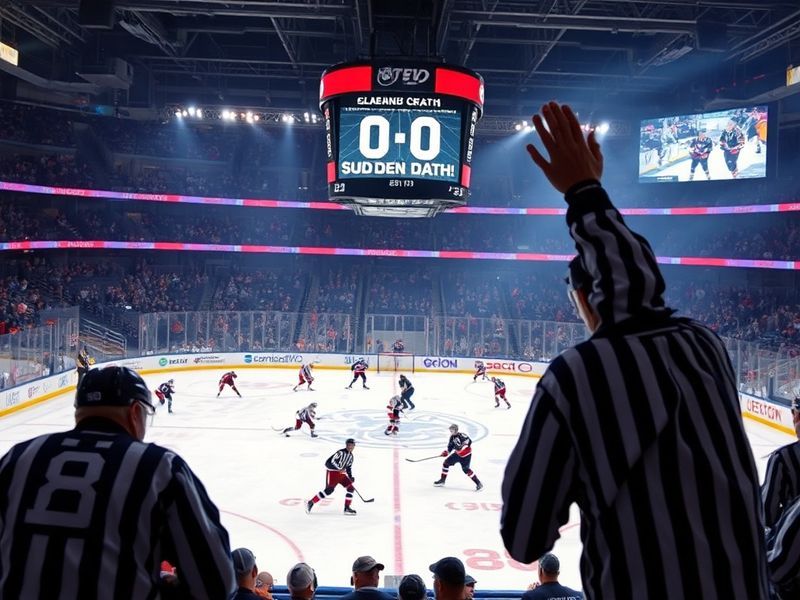
The other critical difference is the duration. Regular-season overtime lasts five minutes. If no winner emerges, the game ends in a tie (since 2005-06). In the playoffs, however, there’s no such thing as a tie. Overtime continues indefinitely until a goal is scored. This “sudden death” rule means every period could stretch into minutes—or even an hour—of nonstop pressure.
This format forces teams to adapt. Coaches can’t rely on the quick strike mentality of the regular season. Instead, they must manage fatigue, matchups, and momentum over longer stretches. Players who thrive in these situations often become postseason legends.
Key Rules of NHL Playoff Overtime
While the sudden-death nature of playoff overtime is simple in concept, several specific rules govern how these periods unfold. Here’s what players, coaches, and fans need to know:
- 5-on-5 format: Unlike regular-season OT, teams play full-strength hockey with six skaters per side (including the goalie). No shootouts, no 3-on-3.
- No commercial breaks: During overtime, the intermission clock is paused. There are no TV timeouts, which means continuous action for up to 20 minutes at a time.
- Icing is allowed: Teams can still ice the puck in overtime, a rule that adds another layer of strategy to defensive play.
- No mercy rule: Unlike some youth or amateur leagues, there’s no mercy clock or early end to prevent blowouts. The game continues until a goal is scored.
- Line changes permitted: Players can change on the fly, but the stoppage rules are tighter than in regulation. Teams must be careful not to incur too many men on the ice penalties.
- Goaltender substitution: Teams can pull their goalie for an extra attacker at any time, but the risk of being scored on is magnified in sudden death.
These rules create a unique dynamic. Coaches must balance aggression with discipline, knowing that one mistake can end the game. Players, meanwhile, operate under a microscope where every shift could define their playoff legacy.
The Strategic Depth of Playoff Overtime
Overtime in the playoffs isn’t just a test of skill—it’s a chess match. The longer the game goes, the more variables come into play. Fatigue alters player performance. Coaches must decide when to gamble on line matchups or pull the goalie. Even referees face added scrutiny, as offside or icing calls can change the entire complexion of a period.
One of the most fascinating aspects of playoff overtime is how it reveals a team’s true identity. Regular-season games can be won or lost through systems and structure. But in overtime, individual brilliance often decides outcomes. Wayne Gretzky, Mario Lemieux, and Patrick Kane have all delivered iconic playoff overtime goals, proving that the moment belongs to the stars.
Yet, it’s not just about flashy plays. Defensive systems tighten. Forechecks become more aggressive. Goaltenders face relentless pressure, often making saves that defy physics. The 2010 Stanley Cup Playoffs saw a record 14 overtime games in the first round alone. Each one was a masterclass in endurance and execution.
The mental toll is real. Players describe playoff overtime as a “trance-like” state where time slows down. The roar of the crowd fades into the background. The only thing that matters is the next play. This psychological intensity is why playoff overtime goals are among the most celebrated in hockey history.
Why These Rules Matter for the NHL’s Future
The NHL’s overtime rules in the playoffs aren’t just tradition—they’re a cornerstone of the league’s identity. They ensure that every postseason game has a definitive outcome, eliminating the ambiguity of ties and preserving the drama that fans crave. This format also extends the season’s narrative, giving underdogs opportunities to create upsets and favorites chances to prove their resilience.
But the rules also face scrutiny. Some argue that the 5-on-5 format is outdated in an era where speed and skill dominate the regular season. Others point out that longer overtimes increase the risk of player injuries, especially late in the playoffs when fatigue is already a factor. The league has experimented with rule changes before, and overtime formats could evolve further.
For now, the current system remains intact. It rewards the teams that prepare most thoroughly for the grind of postseason hockey. It tests the mettle of players who thrive under pressure. And it delivers moments that echo through hockey history.
As the NHL continues to grow its global audience, the drama of playoff overtime serves as a perfect showcase for the sport’s intensity. Whether it’s a 10-minute session or a 100-minute marathon, these moments define careers and cement legacies. They remind us why hockey’s postseason is unlike any other in sports.
Final Thoughts
NHL playoff overtime is more than a rule—it’s an experience. It’s the culmination of 82 games distilled into a single, high-stakes moment. The sudden-death format, the 5-on-5 intensity, and the relentless pressure create a crucible where only the strongest survive. For players, it’s the ultimate test. For coaches, it’s a battle of wits. For fans, it’s pure, unfiltered hockey at its finest.
Next time you watch a playoff game that goes to overtime, pay attention not just to the goal that wins it, but to the decisions that led to it. Every line change, every defensive zone trap, every desperate save is part of a story that began months earlier. And when the final horn blares, you’ll know exactly why playoff overtime is the heart of the NHL’s greatest nights.
For more insights into hockey’s most dramatic moments, explore our Trending and Sports sections on Dave’s Locker.