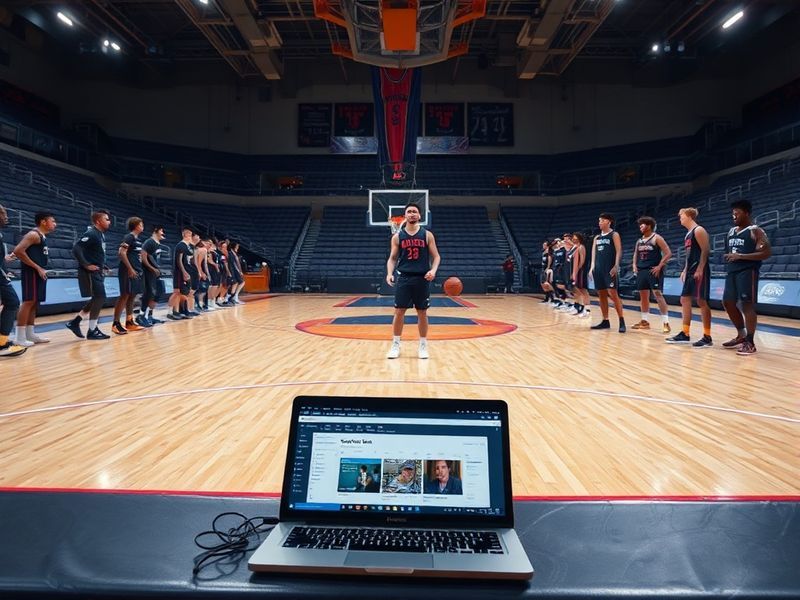
The transfer portal has reshaped college basketball, creating a fluid marketplace where players move between programs with unprecedented freedom. Gone are the days when transfers required waivers or lengthy approval processes. Today, student-athletes can enter their name into the portal with a few clicks, instantly making themselves available to coaches nationwide.
This shift has accelerated roster turnover, intensified competition for talent, and forced programs to adapt—or risk falling behind. The portal doesn’t just affect players; it alters the entire ecosystem of college basketball, from recruiting strategies to fan engagement. For better or worse, it’s now a permanent feature of the sport.
The Portal’s Rise: How We Got Here
The NCAA’s decision to adopt the transfer portal in 2018 marked a turning point. Before then, players transferring between Division I schools needed permission from their current programs, a process often fraught with delays and disputes. The portal democratized movement, giving athletes more control over their careers.
Early adopters quickly saw the benefits. Programs like Gonzaga and Baylor leveraged the portal to reload rosters with experienced players, while traditional powerhouses like Duke and Kentucky adjusted their recruiting strategies. The result? More competitive balance—and more unpredictability—than ever before.
The portal’s influence extends beyond basketball. Football and baseball have followed suit, but basketball’s shorter season and higher reliance on individual stars make the impact more immediate. Coaches now treat the portal like a free-agency market, scanning for immediate solutions rather than relying solely on high school recruits.
How Programs Are Adapting (Or Struggling)
Some teams have thrived in the portal era. The 2023 NCAA champion UConn Huskies leaned heavily on transfers, including All-American point guard Tristen Newton. Meanwhile, programs like Florida Atlantic and San Diego State built competitive rosters almost entirely through portal additions, defying traditional blue-blood expectations.
But not every team has adapted smoothly. Programs with weaker development systems or shallow recruiting pipelines often find themselves in a cycle of constant roster rebuilding. The pressure to win now—rather than develop talent—has led to a revolving door of players, which can disrupt locker room chemistry.
For coaches, the portal is a double-edged sword. On one hand, it provides a shortcut to immediate impact. On the other, it demands constant evaluation of roster needs, chemistry, and player development. The best coaches now treat portal recruiting like chess, anticipating moves and countering with their own additions.
Here’s how programs are navigating the portal era:
- Prioritize experience: Teams with older, more mature transfers tend to perform better in March.
- Focus on fit: Not all portal players elevate a roster. Chemistry and system compatibility matter just as much as talent.
- Balance high school and portal recruiting: Programs like Arkansas and Creighton have found success blending both approaches.
- Invest in development: Some teams, like Virginia Tech under Buzz Williams, use the portal to supplement homegrown talent rather than replace it.
The Fan Perspective: More Drama, Less Loyalty
Fans have a complicated relationship with the transfer portal. On one hand, it creates more compelling storylines. A star player jumping to a rival program or reuniting with a former coach can spark rivalries and add intrigue. The portal has also given underdog programs like Oral Roberts and Saint Peter’s a chance to compete on a bigger stage.
But for traditional fanbases, the portal can feel like a betrayal. Loyalty is no longer a two-way street. Players leave for the NBA, better opportunities, or simply because they’re unhappy. Programs that once prided themselves on player development now see stars depart mid-season for greener pastures.
The portal has also changed how fans engage with the game. Social media amplifies every move, turning transfers into breaking news. Twitter becomes a rumor mill, and message boards explode with hot takes. The offseason is no longer quiet—it’s a year-round spectacle.
Yet, for all the criticism, the portal has made college basketball more unpredictable—and, in many ways, more entertaining. The days of dynasties running roughshod over the sport are fading. Now, even mid-major programs have a shot at glory if they recruit wisely.
What’s Next for Transfer Portal Basketball?
The portal isn’t going away. If anything, it will become even more ingrained in the sport’s fabric. The NCAA’s recent NIL (Name, Image, Likeness) policies have further incentivized player movement, as athletes chase both financial and competitive opportunities.
In the long run, the portal could push the sport toward a more professional model, where players prioritize development and exposure over loyalty. Programs may need to rethink their branding, emphasizing player success stories to attract recruits who see themselves as future pros.
One thing is certain: The teams that thrive will be those that adapt fastest. The portal rewards flexibility, foresight, and a willingness to take calculated risks. For coaches and administrators, the message is clear—innovate or get left behind.
The portal has also raised questions about the future of the NCAA itself. As players gain more autonomy, the organization’s role as the governing body of college sports may evolve. Could we see a system where athletes have even more freedom, or will the NCAA double down on regulations? The answers will shape the next decade of college basketball.
For now, the portal remains a game-changer. It’s reshaped recruiting, redefined competition, and reimagined what it means to be a college athlete. Love it or hate it, the transfer portal is here to stay—and the sport will never be the same.
To explore more about how the portal is impacting recruiting, check out our College Basketball and NCAA sections for ongoing coverage.
Key Takeaways
- The transfer portal has made roster turnover faster and more unpredictable.
- Programs must balance portal recruiting with high school recruiting to stay competitive.
- Fans are divided—portal movement creates drama but erodes traditional loyalty.
- The portal’s influence will likely grow as NIL policies expand player opportunities.
- Coaches who adapt fastest will have the best chance to succeed in this new era.