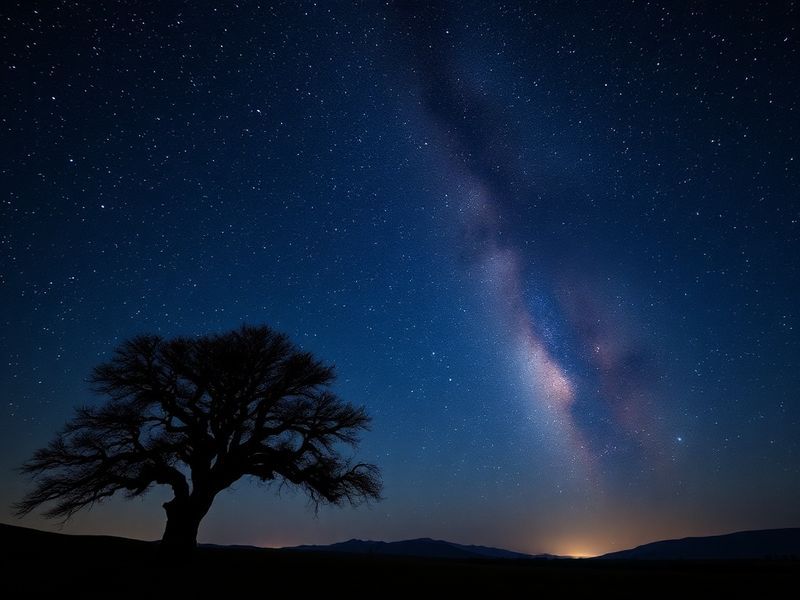
lyrids meteor showers
“`html
The Lyrids Meteor Shower: A Global Guide to April’s Celestial Show
The Lyrids meteor shower arrives each April like a celestial encore to winter’s long nights. Unlike the more dramatic Perseids or Geminids, the Lyrids offer a quiet consistency—reliable, brief, and often overlooked. Yet for skywatchers from Tokyo to Timbuktu, this annual event carries both scientific significance and cultural weight. It’s a reminder that the universe’s wonders are accessible, if we simply look up.
Visible worldwide, the Lyrids peak around April 22 each year, when Earth passes through the debris trail of Comet Thatcher. While not as intense as other showers, the Lyrids compensate with speed and occasional fireballs that light up the sky. Their history stretches back millennia, woven into ancient myths and modern stargazing traditions alike.
The Science Behind the Lyrids: Dust, Debris, and a 400-Year Orbit
The Lyrids originate from Comet C/1861 G1 Thatcher, a long-period comet that last visited the inner solar system in 1861. With an orbital period of approximately 415 years, it won’t return until the 23rd century. As Earth crosses its debris trail each April, tiny particles—many no larger than a grain of sand—enter our atmosphere at 110,000 miles per hour. The resulting ionization creates the glowing streaks we call meteors.
Astronomers classify the Lyrids as a “medium-strength” shower, producing about 10 to 20 meteors per hour during peak activity. However, this rate can fluctuate. In 1803, for instance, American newspapers reported up to 700 meteors per hour—an outburst likely caused by a dense cluster of debris. While such events are rare, they underscore the unpredictability of meteor showers.
Unlike annual meteor showers tied to comets with tighter orbits, the Lyrids’ parent comet’s elongated path means its debris is more widely dispersed. This results in a shorter peak window—often just a few hours—making timing crucial for observers. Telescopes and radar systems worldwide, from the Mauna Kea Observatory in Hawaii to amateur stations in Europe, monitor the Lyrids to refine predictions and study atmospheric entry physics.
A Global Phenomenon: How Different Cultures View the Lyrids
The Lyrids have been recorded for over 2,700 years, making them one of the oldest documented meteor showers. Chinese astronomers in 687 BCE noted “stars fell like rain,” a poetic description that still resonates today. In ancient Greece, the Lyrids coincided with the festival of Anthesteria, a time to honor Dionysus and reflect on life’s transient beauty—a connection that mirrors the meteors’ fleeting glow.
Indigenous traditions offer equally rich interpretations. The Navajo people of the American Southwest refer to the Lyrids as “The Fireballs of Spring,” associating them with renewal and storytelling around campfires. Meanwhile, in parts of rural India, the shower is sometimes linked to the legend of Vishnu’s cosmic dance, where celestial sparks symbolize divine energy.
Even in modern times, the Lyrids serve as a bridge between science and folklore. In Japan, where stargazing culture thrives, the shower is often featured in local planetarium shows alongside traditional poetry. Similarly, in Morocco, the annual gathering at Ait Benhaddou— a UNESCO site—combines astronomy with Berber hospitality, blending ancient navigation techniques with contemporary astrophotography.
Cultural Rituals and Modern Celebrations
- Star Parties in the U.S. – Organizations like the Astronomical League host events in dark-sky preserves, offering telescopes and astrophotography workshops.
- Desert Gatherings in Chile – The Atacama Desert’s clear skies draw travelers to guided night hikes, where indigenous guides share constellations tied to Lyrid lore.
- Urban Stargazing in Japan – Tokyo’s Rikugien Garden opens late for “meteor viewing parties,” combining haiku readings with telescope setups.
- Community Festivals in Kenya – Maasai elders narrate celestial myths while youth use smartphones to capture time-lapse videos of the shower.
How to Watch the Lyrids: Tips for Every Kind of Observer
Unlike solar eclipses or comet flybys, the Lyrids require no special equipment—just a clear sky and patience. Here’s how to maximize the experience, whether you’re in a city or the wilderness.
Finding the Best Viewing Conditions
Location matters more than equipment. Rural areas with minimal light pollution offer the best views, but even suburban observers can catch bright meteors. Apps like Stellarium or SkySafari help pinpoint the radiant point near the constellation Lyra, though meteors appear across the sky.
Avoid nights around the full moon, as lunar glare washes out fainter streaks. The 2024 peak, for example, occurred just days before the new moon, creating ideal darkness. Dress warmly—April nights can be chilly even in temperate zones—and bring a reclining chair or blanket to avoid neck strain.
Photography and Technology
Capturing the Lyrids doesn’t require a professional setup. A DSLR camera with a wide-angle lens (14-24mm), a sturdy tripod, and a remote shutter release are sufficient. Set the camera to manual mode, with an ISO of 1600–3200, a 20–30 second exposure, and an aperture of f/2.8 or wider. For beginners, stacking software like StarStaX can combine multiple images into a single composite.
Smartphone users can try apps like NightCap or Slow Shutter Cam, which simulate long exposures. While they won’t catch faint meteors, bright fireballs can still create stunning images. Social media platforms like Instagram often feature #LyridsMeteorShower tags, where users share real-time observations from around the world.
The Future of the Lyrids: Light Pollution and Legacy
As urbanization spreads, the Lyrids face a growing threat: light pollution. A 2023 study in Science Advances found that 80% of the world’s population lives under light-polluted skies, with the Milky Way invisible to a third of humanity. Initiatives like the International Dark-Sky Association (IDA) work to designate protected areas, but grassroots efforts—such as turning off unnecessary lights during peak nights—also make a difference.
Yet the Lyrids’ legacy endures. With space agencies increasingly focused on planetary defense and asteroid detection, meteor showers like the Lyrids serve as low-cost laboratories for studying atmospheric entry. NASA’s All-sky Fireball Network, for example, uses Lyrid data to improve models of space debris risks to satellites.
The Lyrids remind us that the cosmos is not a distant spectacle but a shared experience. From ancient temples to backyard telescopes, humanity has always found meaning in the stars. This April, as Earth slices through Thatcher’s ancient trail, take a moment to look up. You’ll be part of a tradition as old as civilization itself.
For those eager to dive deeper, local astronomy clubs and planetariums often host Lyrids viewing events. Check your nearest science center or university observatory for public programs, and share your photos with the hashtag #LyridsWatch. The universe is waiting.
—
METADATA—
{
“title”: “Lyrids Meteor Shower 2024: How to See April’s Celestial Show”,
“metaDescription”: “Discover the science, history, and best viewing tips for the Lyrids meteor shower, visible worldwide each April.”,
“categories”: [“Science”, “Culture”],
“tags”: [“Lyrids meteor shower”, “Comet Thatcher”, “stargazing tips”, “meteor showers 2024”, “astronomy events”],
“imageDescription”: “A wide night sky over a desert landscape with multiple bright meteor streaks, a faint Milky Way visible in the background, and silhouetted observers with telescopes and cameras. The scene conveys awe and global unity in stargazing.”
}
—END METADATA—
“`