<!DOCTYPE html>
<html lang="en">
<head>
    <meta charset="UTF-8">
    <meta name="viewport" content="width=device-width, initial-scale=1.0">
    <title>Coachella Weather: What to Expect from the California Desert Heat</title>
</head>
<body>
    <article>
        <h1>Coachella Weather: What to Expect from the California Desert Heat</h1>

        <p>Every April, the sun-scorched plains of the Coachella Valley transform into a temporary metropolis of music, art, and culture. The world’s most famous music festival draws half a million attendees to Indio, California, but the desert doesn’t give up its treasures easily. The Coachella weather forecast is as much a part of the experience as the headlining acts themselves.</p>

        <p>Unlike festivals in cooler climates, Coachella’s desert location means festivalgoers must prepare for intense heat, sudden temperature swings, and the occasional sandstorm. The weather dictates not only what you wear but how you experience the event. Understanding Coachella’s climate patterns can mean the difference between an unforgettable weekend and a miserable one.</p>

        <h2>Peak Heat: What to Expect During the Day</h2>

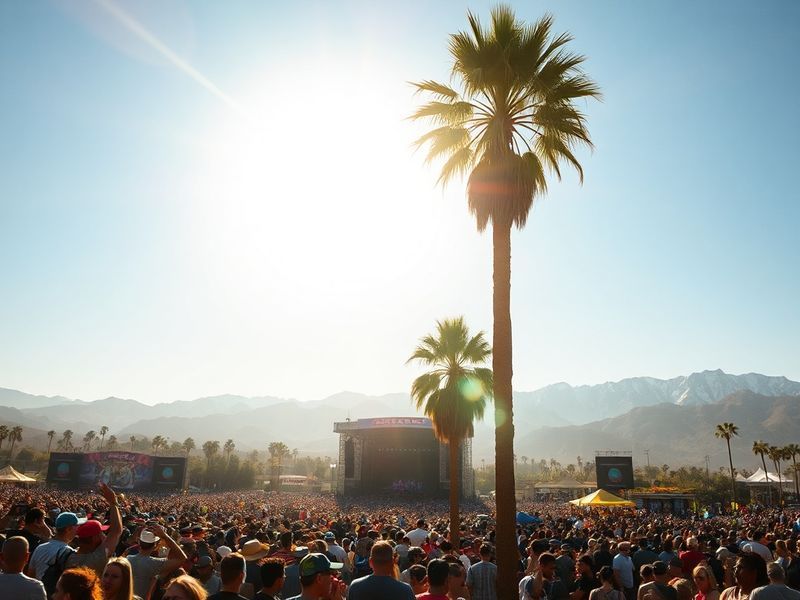
        <p>Daytime temperatures at Coachella routinely soar into the upper 80s to low 100s°F (31-39°C). The sun beats down relentlessly, especially in the open fields where most stages are located. Shade is a luxury, and finding it often requires strategic planning. The main stages—like the Coachella Stage and Outdoor Theatre—offer some respite, but crowds still swelter under the blazing sun.</p>

        <p>Humidity levels hover around 10-20%, creating a dry heat that dehydrates the body faster than a tropical climate. This makes hydration critical. The festival’s official water stations are plentiful, but many attendees rely on personal coolers or hydration packs to stay ahead of the heat. The desert’s arid conditions also mean sunburn can strike in minutes, so sunscreen is non-negotiable.</p>

        <p>Wind is another factor. While it can provide temporary relief, strong gusts often whip up dust and sand, turning the festival grounds into a swirling haze. This is particularly true in the afternoons when thermal winds peak. Sunglasses, bandanas, and lightweight scarves become essential accessories.</p>

        <h3>A Typical Daytime Schedule</h3>
        <ul>
            <li><strong>Morning (10 AM - 12 PM):</strong> Temperatures hover in the mid-70s°F (21-24°C). A comfortable time to explore the art installations or catch early sets.</li>
            <li><strong>Midday (12 PM - 4 PM):</strong> Peak heat hits. The sun is directly overhead, and temperatures can spike above 100°F (38°C). Most attendees retreat to shaded areas or air-conditioned lounges.</li>
            <li><strong>Afternoon (4 PM - 6 PM):</strong> Temperatures start to drop slightly, but wind and sand remain an issue. This is a popular time for performances on the smaller stages.</li>
        </ul>

        <h2>Cooler Nights: When the Desert Cools Down</h2>

        <p>As the sun sets, the desert undergoes a dramatic transformation. Temperatures can drop by 30-40°F (17-22°C) within hours, creating a stark contrast between day and night. By midnight, it’s common to see thermometers dip into the 50s°F (10-15°C). This swing requires layering—light jackets, hoodies, or even blankets become necessary for comfort.</p>

        <p>The nighttime atmosphere is magical. The stars above the Coachella Valley are some of the clearest in Southern California, and the cooler air makes dancing under the lights far more enjoyable. However, the shift in temperature also brings a new set of challenges. Sand, which was merely an annoyance during the day, becomes a nuisance as it sticks to damp skin and clothing. Attendees often find themselves brushing off layers before entering tents or lounges.</p>

        <p>Fog is another rare but possible concern. In some years, a marine layer from the Pacific drifts inland overnight, creating a misty, surreal landscape. While it rarely disrupts the festival, it can add an eerie beauty to the surroundings.</p>

        <h3>Nighttime Essentials</h3>
        <ol>
            <li><strong>Layered Clothing:</strong> A light jacket or flannel shirt is ideal for the temperature drop.</li>
            <li><strong>Blankets or Sleeping Bags:</strong> Essential for camping attendees spending nights outdoors.</li>
            <li><strong>Portable Heaters:</strong> Some festivalgoers bring small, battery-powered heaters for extra warmth in tents.</li>
            <li><strong>Portable Fans:</strong> A battery-operated fan can make a significant difference in enclosed spaces.</li>
        </ol>

        <h2>Unpredictable Elements: Sandstorms, Rain, and Other Surprises</h2>

        <p>While the Coachella weather forecast is generally predictable, Mother Nature occasionally throws curveballs. Sandstorms, though rare, have occurred in past festivals. These sudden windstorms can reduce visibility to near zero, making navigation difficult and causing discomfort for those with respiratory issues. The festival staff is quick to issue warnings and close outdoor stages temporarily until conditions improve.</p>

        <p>Rain is another wildcard. The Coachella Valley is part of the Colorado Desert, which receives minimal annual precipitation. However, when rain does fall, it often comes in short, intense bursts. The ground, which is typically hard and dusty, can turn into a muddy quagmire, especially in low-lying areas. Festival organizers have drainage systems in place, but attendees should still expect some soggy conditions.</p>

        <p>In 2019, a surprise thunderstorm drenched the grounds, forcing the festival to issue temporary shutdowns for safety. Lightning strikes are a serious concern, as the open fields provide little protection. The festival’s robust weather monitoring systems and emergency protocols help mitigate risks, but attendees must stay alert to announcements.</p>

        <h2>A Global Perspective: How Other Festivals Compare</h2>

        <p>Coachella’s weather is unique, but it’s not the only major festival that tests attendees with extreme conditions. Comparing it to other global events highlights how climate shapes the festival experience.</p>

        <p>Glastonbury in the UK, for example, is known for its unpredictable weather, ranging from sunny afternoons to torrential downpours. Unlike Coachella’s dry heat, Glastonbury’s damp chill requires waterproof gear and wellington boots. Meanwhile, Tomorrowland in Belgium offers a milder but often rainy climate, where attendees must balance style with practicality.</p>

        <p>In contrast, festivals like Burning Man in Nevada embrace the desert’s harshness as part of the aesthetic. The extreme heat and isolation are integral to the event’s identity. Coachella, while also in a desert, balances its harsh conditions with luxury and comfort, offering shaded VIP areas and misting stations.</p>

        <p>These comparisons underscore how weather influences not just comfort but the entire festival culture. Coachella’s ability to transform a potentially hostile environment into a vibrant, inclusive space speaks to its logistical prowess and cultural significance.</p>

        <h3>Key Takeaways for Festivalgoers</h3>
        <ul>
            <li><strong>Hydration is critical:</strong> The dry heat dehydrates quickly. Carry a reusable water bottle and refill it frequently.</li>
            <li><strong>Layer your clothing:</strong> Daytime heat demands breathable fabrics, while nights require warmth. Pack accordingly.</li>
            <li><strong>Protect yourself from the sun:</strong> Sunscreen, hats, and sunglasses are non-negotiable. Reapply sunscreen every few hours.</li>
            <li><strong>Prepare for wind and sand:</strong> A bandana or scarf can shield your face during dusty conditions.</li>
            <li><strong>Stay informed:</strong> Monitor the festival’s official weather updates and emergency alerts.</li>
        </ul>

        <p>Coachella weather is a defining feature of the experience. It shapes how attendees dress, where they go, and even which bands they prioritize. The festival’s ability to thrive in such an unforgiving climate is a testament to its adaptability and enduring appeal. Whether you’re a first-time attendee or a seasoned veteran, respecting the desert’s power—and preparing for its whims—is the key to surviving and thriving at Coachella.</p>
    </article>

    <footer>
        <p>For more on music festivals and outdoor events, check out our <a href="/category/music/">Music</a> and <a href="/category/travel/">Travel</a> sections.</p>
    </footer>

---
METADATA
{
  "title": "Coachella Weather Guide: What to Wear and Expect in the Desert Heat",
  "metaDescription": "Learn what to expect from Coachella’s intense desert heat and how to prepare for daytime and nighttime conditions.",
  "categories": ["Culture", "Travel"],
  "tags": ["Coachella weather", "festival fashion", "desert festival tips", "Coachella survival guide", "music festival clothing"],
  "imageDescription": "A vibrant daytime shot of Coachella’s main stage under a blazing sun, with crowds in colorful outfits and palm trees in the background. The image captures the heat and energy of the festival, with dust and sunlight creating a dynamic, sun-drenched atmosphere."
}
---END METADATA---
</body>
</html>